U.S. Embassy in Barbados Urges Ethical Alternatives to Cuba Medical Missions
U.S. Embassy in Barbados urged Caribbean governments to adopt ethical alternatives to Cuba's medical missions, citing concerns about forced labour and exploitation.
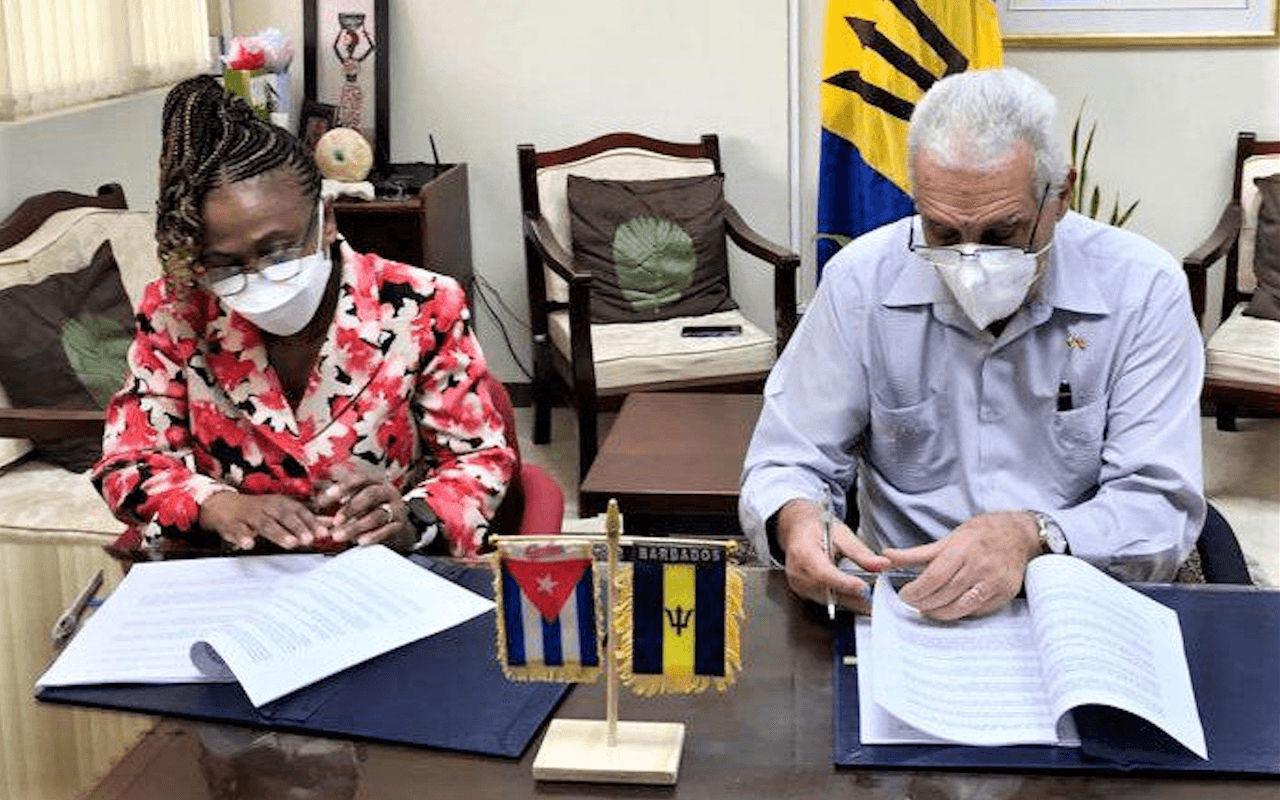
The U.S. Embassy in Barbados posted messaging on February 6, 2026, urging Caribbean governments to consider alternative, ethical ways to recruit healthcare workers instead of relying on Cuba's medical mission model. The embassy framed the appeal as a response to longstanding criticisms from Washington that Cuba's international medical brigades have involved forced labour and the exploitation of medical personnel.
The advisory is significant for Caribbean health ministries that have long partnered with Cuba to fill gaps in doctors, nurses, and other clinicians. Cuba's misiones médicas have supplied clinicians across the region for decades, often arriving as emergency relief or under bilateral agreements. For small island states with limited domestic training capacity, those teams have represented an immediate way to keep clinics open and hospitals staffed.
Washington's critique centers on conditions that U.S. officials say leave Cuban clinicians with little control over pay, movement, and the terms of their deployment. That criticism has intensified as Caribbean governments balance short-term staffing needs against growing scrutiny of labor standards and human rights in international health cooperation. The embassy's message underscores that political and ethical concerns can carry operational consequences for governments that continue to engage with Cuba under existing arrangements.
For Cuban healthcare workers and their families, the guidance from the embassy creates uncertainty. Remittances and income generated abroad have been an important part of household economies in Cuba. Any shift away from the Cuban mission model, or pressure on governments to seek different partners, could reduce deployment opportunities and alter flows of income and experience that returning clinicians bring to domestic practice.

Practical alternatives outlined by health policy experts include direct hiring of independent practitioners, targeted scholarships to expand local medical schools, time-bound contractual arrangements with clear pay and movement provisions, and transparent third-party oversight of deployments. Caribbean governments can also prioritize short-term technical assistance and telemedicine collaborations that boost local capacity without long-term dependency on foreign brigades.
Local health administrators should review existing contracts to ensure explicit clauses on compensation, freedom of movement, and independent oversight. Verify contracts and document working conditions for any foreign clinicians currently deployed. Civil society and medical associations can press for transparency in recruitment terms and for guarantees that patient care standards are not compromised during transitions.
The embassy's February 6 message is likely to prompt fresh policy conversations in Caribbean capitals and in Havana. For readers, the immediate takeaway is practical: track contract terms closely, demand transparency from employers and governments, and weigh the trade-offs between immediate staffing needs and long-term ethical standards in international health cooperation.
Know something we missed? Have a correction or additional information?
Submit a Tip