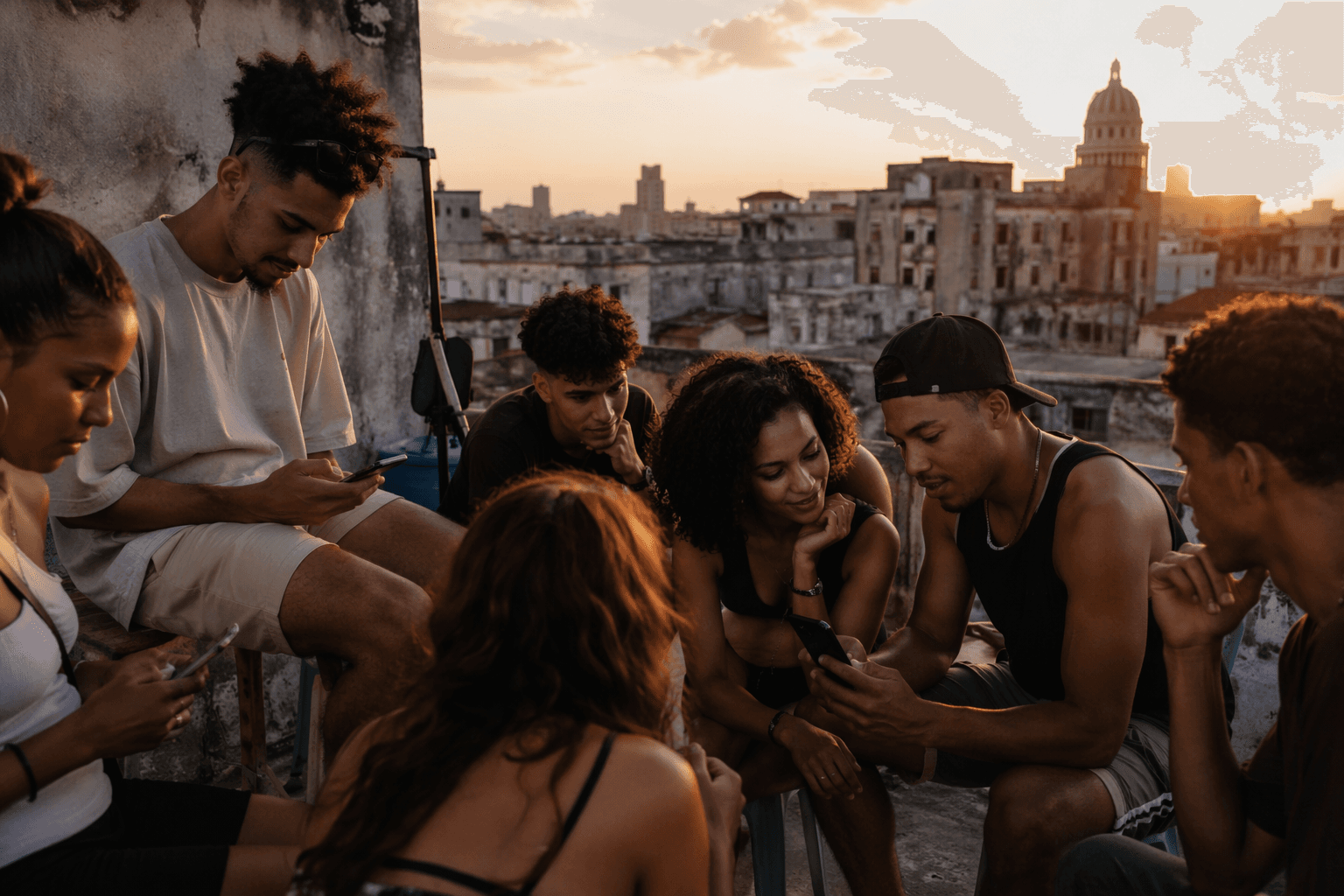
U.S. Embassy Warns Americans to Avoid Havana Malecón Protests This Weekend
The U.S. Embassy warned Americans to avoid the Malecón on March 21 as pro-regime and anti-U.S. protests swept Havana amid a 29-hour nationwide blackout.
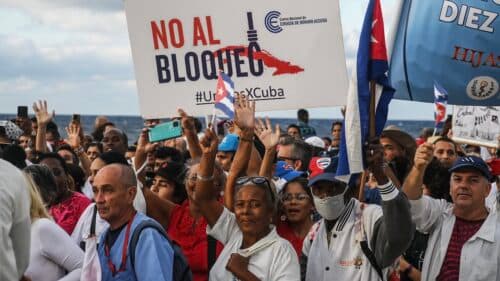
The U.S. Embassy in Havana issued a Demonstration Alert on March 19 warning American citizens to stay away from crowds and protest areas through the weekend, citing media reports of anticipated pro-Cuban regime and anti-U.S. policy rallies, including a specific demonstration planned for the Malecón on March 21.
"There are media reports of anticipated pro-Cuban regime and anti-U.S. policy protests and rallies through the weekend," the Embassy posted on its official Facebook page. "There are also reports of a protest on the Malecon on March 21. We remind U.S. citizens to avoid large gatherings."
The alert, published shortly before 7 p.m. EDT according to The Hill, directed Americans to avoid demonstration areas and locations with a high likelihood of protests, steer clear of crowds, stay alert to heightened police presence, and prepare for traffic detours and transit interruptions. Anyone with emergencies was directed to call +(53) (7) 839-4100, with after-hours callers instructed to dial 1, then 0. The Embassy also listed acshavana@state.gov for written assistance and recommended enrolling in the State Department's Smart Traveler Enrollment Program (STEP) to receive ongoing security updates.
The alert landed against a backdrop of deepening crisis on the island. A U.S.-imposed oil blockade has driven Cuba into a worsening economic and energy emergency that caused its electrical grid to collapse earlier that week, leaving nearly 11 million people without power for more than 29 hours before partial restoration, according to The Hill. Local outlet CiberCuba, which published its coverage at 7:12 p.m. on March 19, described the broader atmosphere as one of "growing social discontent in Cuba, characterized by prolonged blackouts, shortages, and reports of protests in various provinces," with pot-banging protests and spontaneous demonstrations erupting across multiple areas in recent days.
The political temperature between Washington and Havana has also been running hot. President Trump told reporters on Monday, "Whether I free it, take it, I think I can do anything I want with it," and added, "You want to know the truth? They're a very weakened nation now." Cuban President Miguel Díaz-Canel, responding on Wednesday, accused the U.S. of threatening the country "almost daily" and pledged to meet any potential aggression with "impregnable resistance," according to The Hill. The Trump administration has reportedly been seeking to leverage economic pressure to push for political reform and oust Díaz-Canel.
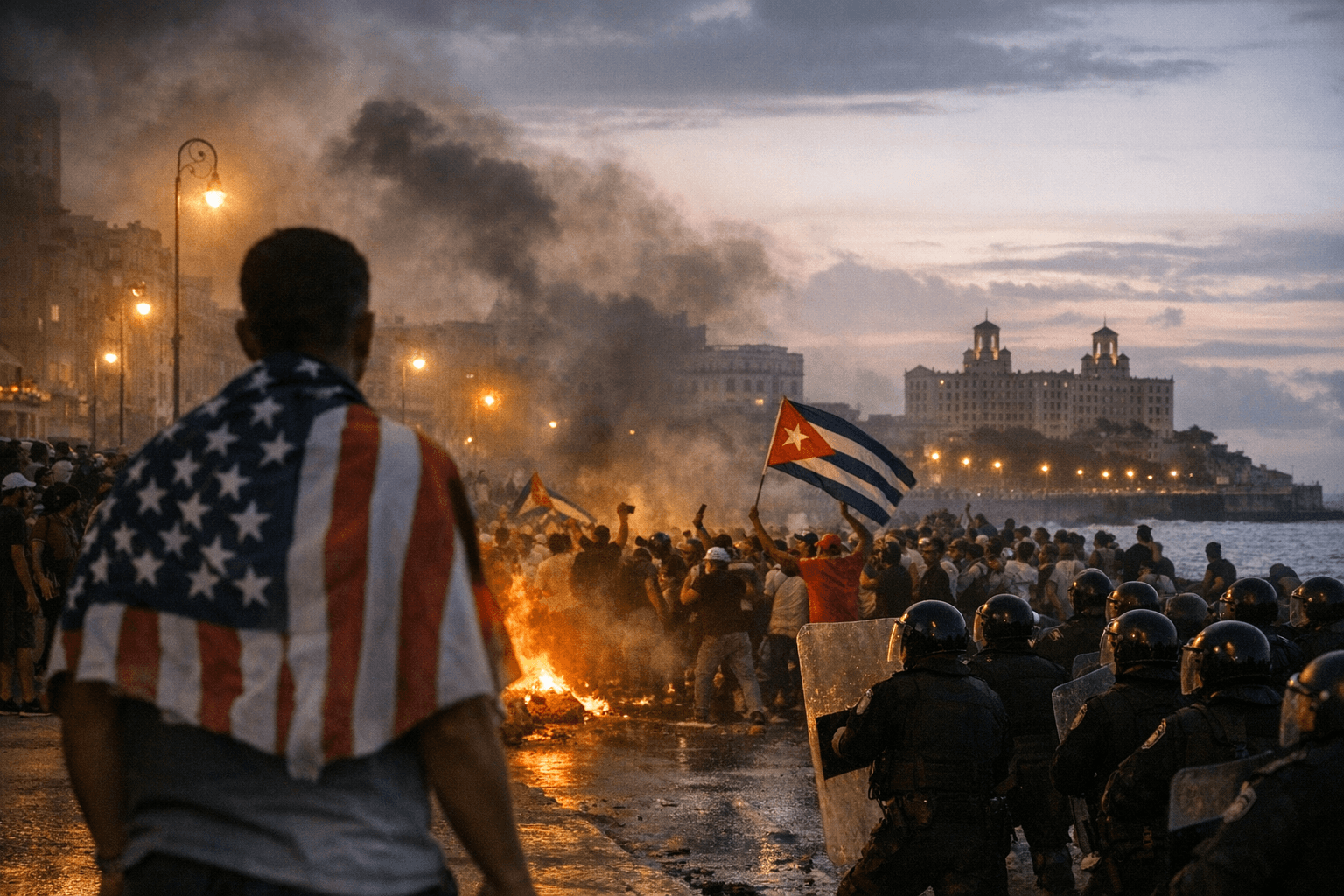
The unrest has already turned violent in at least one instance. According to The Associated Press, as reported by The Hill, protesters set fire to a communist party headquarters in a central Cuban city last weekend. Five people were arrested, and Cuba's interior ministry opened an investigation.
Reaction to the Embassy's Facebook post reflected the charged atmosphere. In the comments, a user identified as David González wrote in Spanish that no American citizen would be harmed and noted that some American citizens were themselves among those planning to march "fighting for truth and justice." Another commenter, Maniabo De Cuba, accused the Embassy of trying to "heat up the Cuba issue in the context of a threat of war," adding that Cuba "is not a nation of fanatics."
Americans still in Cuba or planning travel to Havana can also reach the State Department's Bureau of Consular Affairs at +1-888-407-4747 or +1-202-501-4444. The Embassy maintains a WhatsApp channel for U.S. citizen consular information and can be followed on Facebook, Instagram, and X for real-time updates.
This article was produced by Prism’s automated news system from verified source data, official records, and press releases, then run through automated quality and moderation checks before publishing. The system is built and supervised by the people who set the standards it runs under. Read our full AI policy.
Did this article answer your question?