U.S. Navy surveillance drone flies long coastal mission near Cuba, raising tensions
A U.S. Navy Triton spent more than six hours tracing Cuba’s coast, a rare sight that signaled a sharper U.S. security posture near Florida.
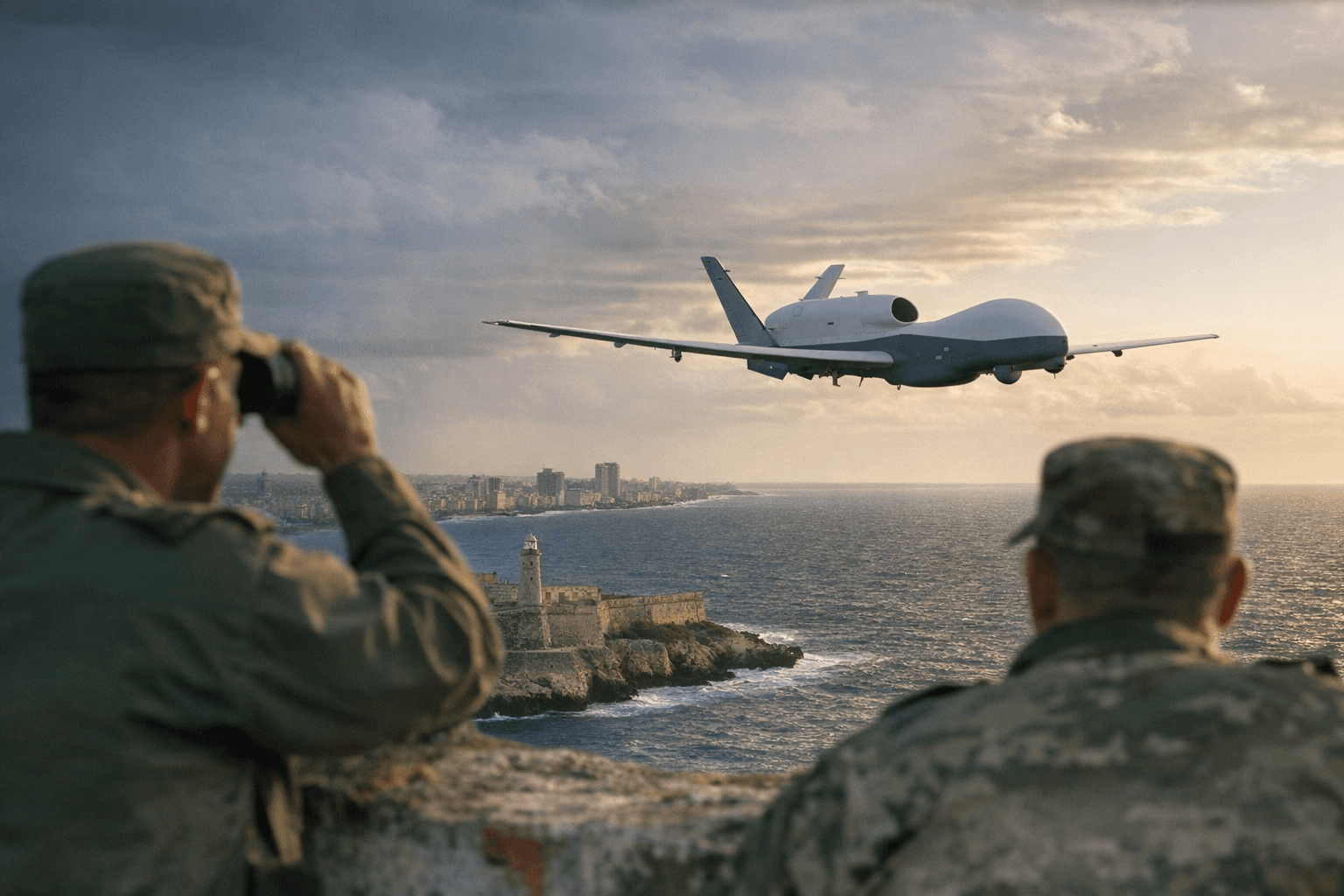
Why was a U.S. Navy surveillance drone spending so long skimming Cuba’s coastline now? The answer is less about aviation than about a tightening standoff visible from Florida, where an unusually long MQ-4C Triton mission on April 16 showed how closely Washington is watching the island.
The aircraft, call sign BLKCAT6, took off from Naval Air Station Jacksonville, flew down Cuba’s southern coast, circled near Santiago de Cuba, then later held a pattern near Havana before heading back to the United States. Flight-monitoring sources tracked the mission for more than six hours and placed the drone at roughly 49,000 feet, high enough to survey a huge sweep of water and shoreline in a single pass.
That matters because the Triton is not a toy or a test bed. Navy and NAVAIR fact sheets describe it as a persistent maritime intelligence, surveillance and reconnaissance aircraft that can operate above 50,000 feet for 24-plus hours, with a range of 7,400 nautical miles and a five-person ground crew. Similar aircraft have been used in other pressure points, including around Iran and Venezuela, but a visible Triton run so close to Cuba stood out as something different.
The timing made the flight even more loaded. It came during a stretch of intense U.S.-Cuba rhetoric, including Trump’s public line on March 27 that “Cuba’s next,” and later reporting that he was weighing options from military action to an economic deal. Separate reporting also said Pentagon planning for a possible Cuba operation had accelerated as officials prepared for a potential order.
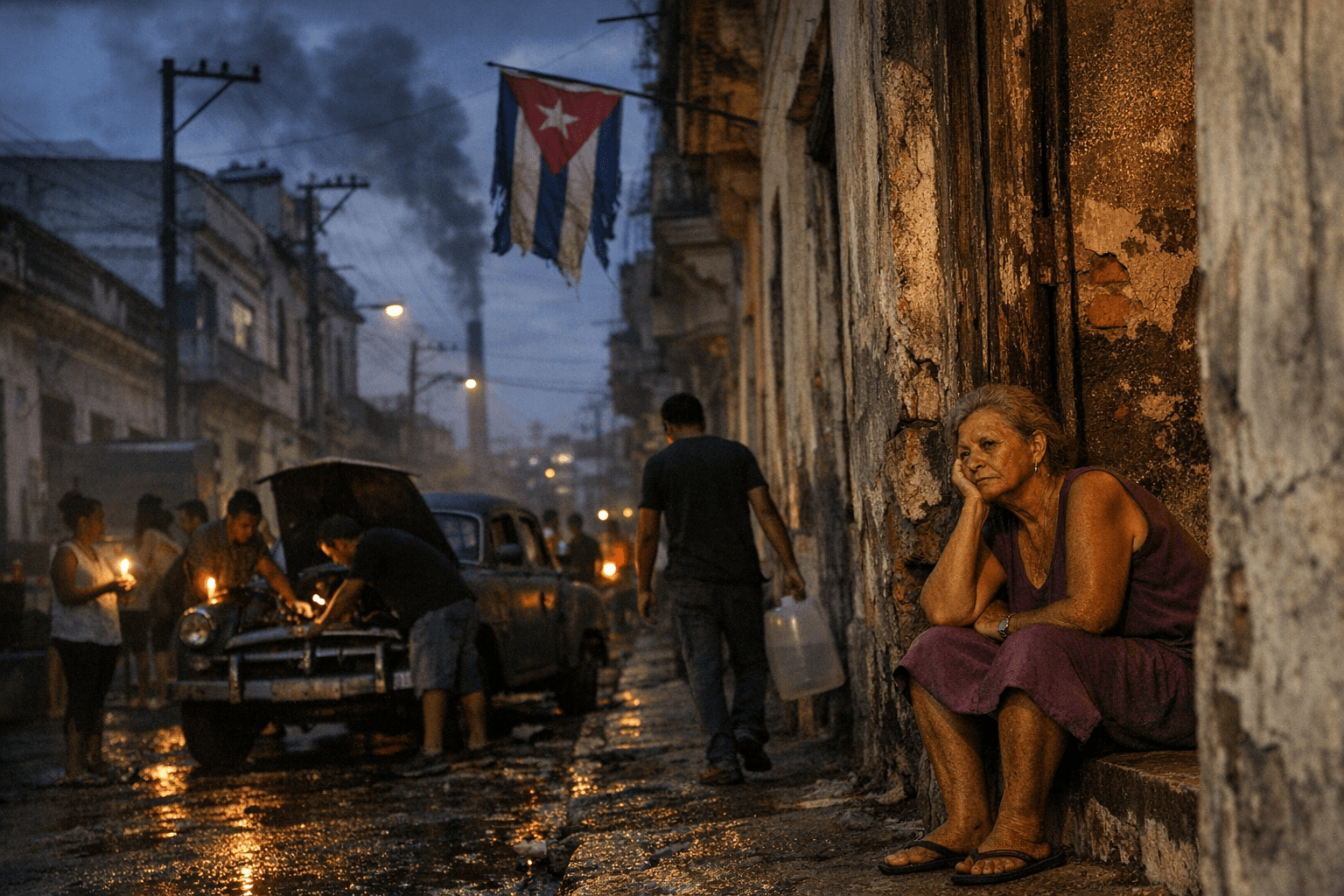
Cuban leaders have responded in kind. Miguel Díaz-Canel said Cuba does not want U.S. military aggression but is prepared to fight if needed, and on April 16 he warned that a U.S. strike was a real possibility. That same day marked the 65th anniversary of Cuba’s socialist revolution, giving Havana a politically charged backdrop as the drone traced the island’s edge.
U.S. Southern Command declined to discuss operational specifics, saying it would not comment on ongoing or future operations. Even without a formal explanation, the mission suggests the Pentagon is collecting information and keeping close watch on Cuban territory and surrounding waters. For Cuban-Americans, for people tracking migration routes, and for anyone reading U.S. regional posture through the lens of Florida and the Caribbean, the message was plain: Cuba is being treated less like a distant irritation and more like an active security zone.
Know something we missed? Have a correction or additional information?
Submit a Tip