Fidel Castro’s Daughter Says Cuba Has Reached a Point of No Return
Fidel Castro’s daughter said Cuba has crossed a point of no return, tying her exile memory in Little Havana to shortages, blackouts and fear on the island.
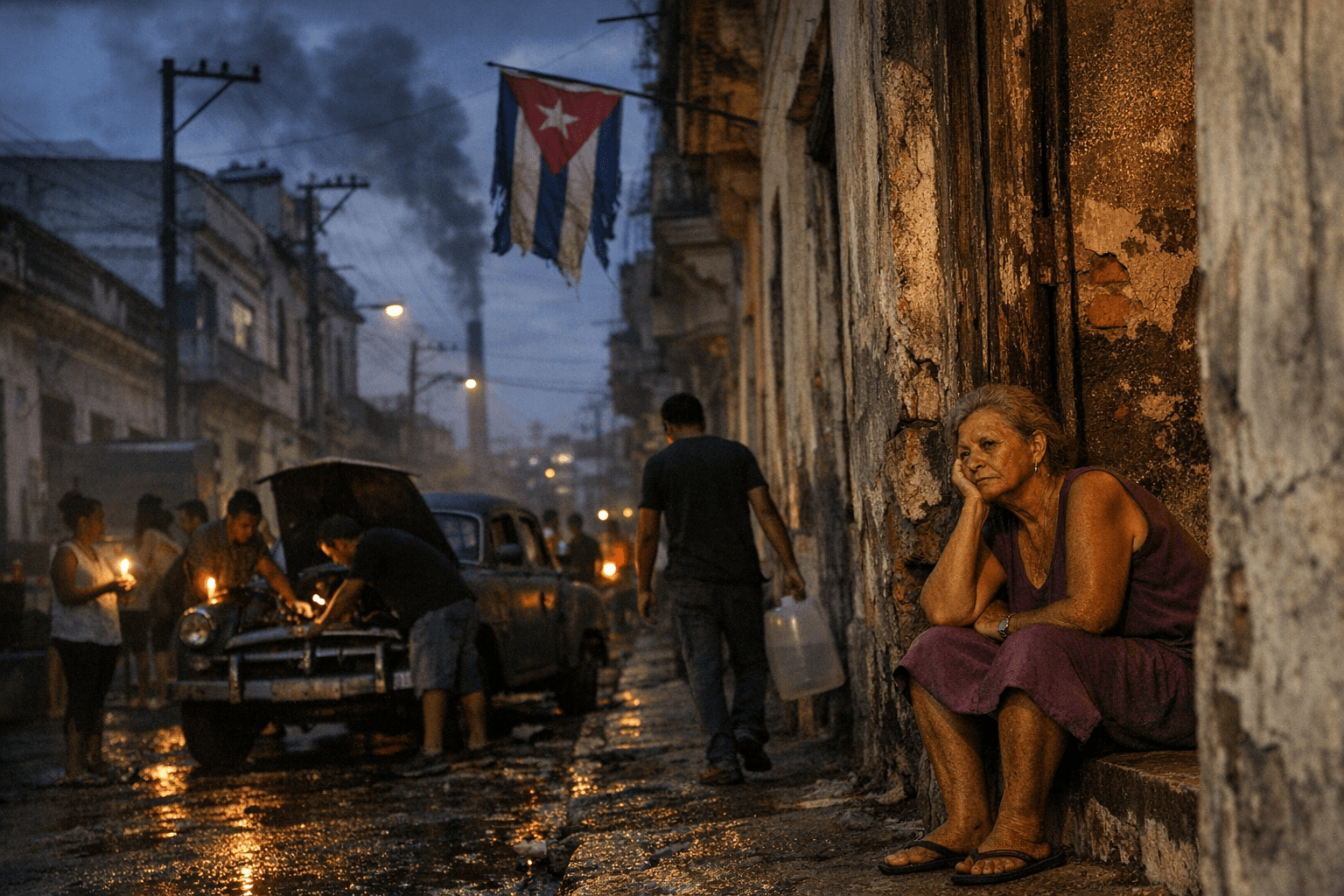
Alina Fernández Revuelta, Fidel Castro’s daughter, used a rare public interview from her Miami home to say Cuba has reached a point of no return. At 70, speaking from Little Havana and keeping a low profile, she framed the collapse in the starkest terms: the country needs freedom, breathing room, and a way to enter the 21st century.
Her words landed because they came from inside the Castro family name, not outside it. Fernández has long described the moment she learned Fidel Castro was her father as a betrayal, especially because so many people around her already knew the truth. That personal rupture runs through her account of Cuba itself. She is not speaking as a distant exile repeating familiar slogans. She is speaking as someone who grew up inside the revolution’s mythology and came away describing it as a failure that never delivered ordinary dignity.
The timing gave the interview extra force in Miami. Fernández also took part in Revolution’s Daughter, a documentary directed by Thaddeus D. Matula that uses her exile story to examine the broader Cuban exile experience. The film premiered at the 43rd Miami Film Festival at the Koubek Center in Little Havana, with a later screening planned at FIU’s Rafael Diaz-Balart Law Building. In Miami, where Cuban political memory still drives culture and family conversation, her comments were not treated as nostalgia or symbolism. They were heard as a direct indictment from one of the revolution’s most recognizable descendants.
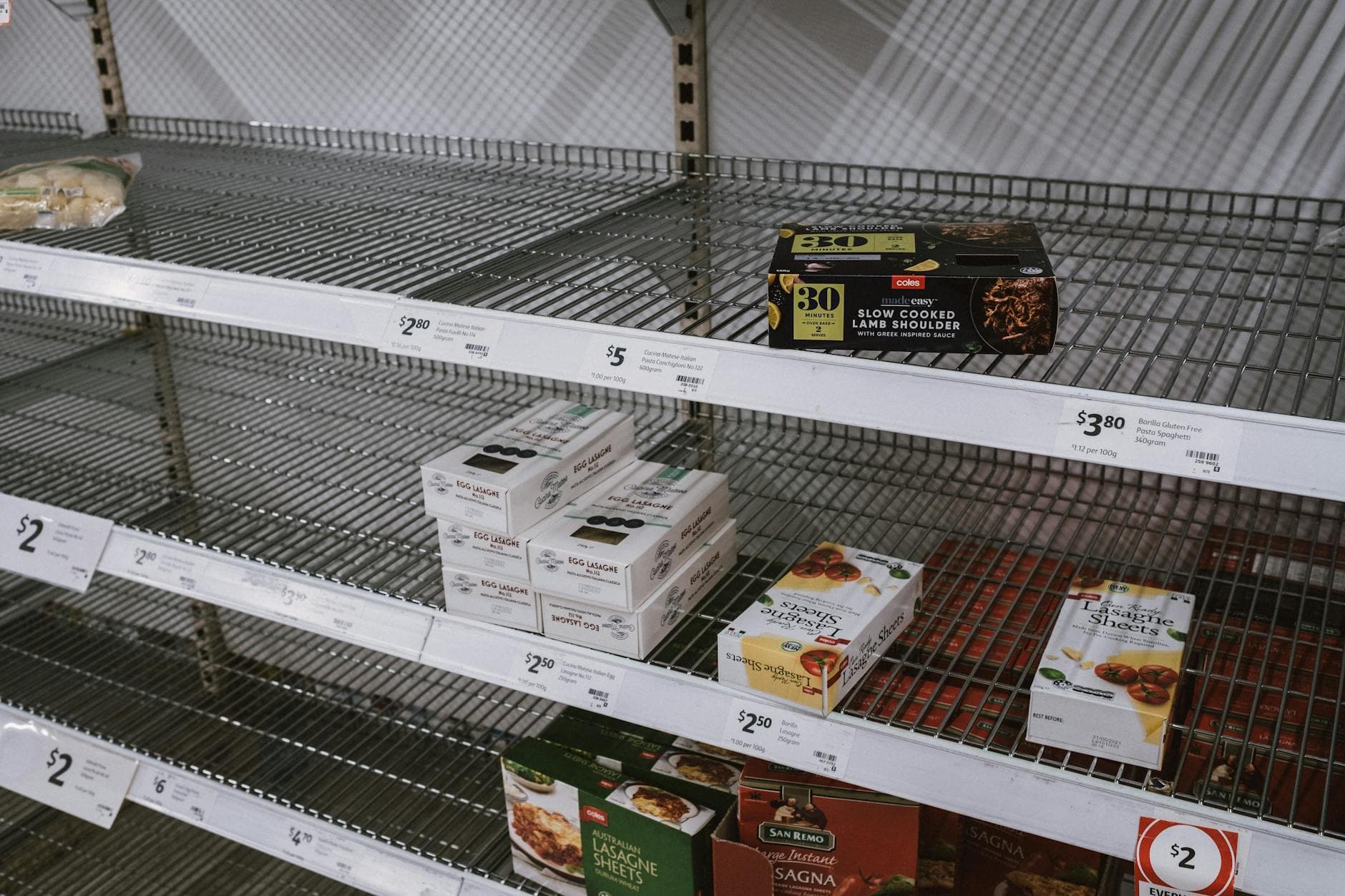
That indictment matched the reality on the island. Cuba’s economy contracted by 1.1 percent in 2024, and the country continues to face inflation, fuel shortages, long blackouts, and a grinding shortage of basic goods. The U.S. State Department’s 2024 human-rights report described credible reports of arbitrary arrest and detention, censorship, and severe restrictions on freedom of expression, media, assembly, association, and internet freedom. In the same stretch of days, the United States reportedly pressed Cuba in a secret meeting to free political prisoners including Luis Manuel Otero Alcántara and Maykel Osorbo. Against that backdrop, Fernández’s warning about no return read less like family memoir than like a blunt verdict on a system that still controls life through fear, scarcity, and silence.
Her story also points to the machinery behind that system. A BBC report summarized in Cuban media put GAESA’s assets near $18 billion and said the military conglomerate may control about 40 percent of Cuba’s GDP. That figure helps explain why Fernández’s words resonated so strongly in Little Havana: for many exiles, the revolution’s legacy is no longer a debate about history. It is the daily evidence of what happens when power, the military, and the economy are locked together and ordinary Cubans are left to absorb the cost.
This article was produced by Prism’s automated news system from verified source data, official records, and press releases, then run through automated quality and moderation checks before publishing. The system is built and supervised by the people who set the standards it runs under. Read our full AI policy.
Did this article answer your question?