U.S. Senate blocks bid to curb Trump’s military action on Cuba
The Senate refused to bar Trump from acting against Cuba, leaving Havana with fewer checks as sanctions and fuel pressure keep tightening.

The Republican-led U.S. Senate blocked a Democratic effort on April 28 that would have barred President Donald Trump from taking military action against Cuba without congressional approval, a 51-47 vote that left the White House with more room to escalate. Republican Sens. Susan Collins and Rand Paul broke with their party, while Democratic Sen. John Fetterman voted with Republicans.
The fight turned on what counts as military action. Democrats Tim Kaine, Adam Schiff and Ruben Gallego pushed the Cuba War Powers Resolution as a check on a president they said was already using force through the campaign against fuel shipments to the island. Republicans, led in the chamber by Rick Scott of Florida, argued there were no active hostilities and no deployed troops, so a war-powers restriction did not fit the moment. Scott’s procedural move stopped the resolution before it could advance.
For Cubans, the practical meaning is blunt: Congress did not place a new brake on Trump’s Cuba policy. That does not amount to authorization for an attack, but it does mean the Senate declined to fence in the president as his administration keeps widening pressure on Havana. Trump has repeatedly said Cuba is next and has cast the island’s government as close to collapse, rhetoric that has fed anxiety in Havana and among Cubans in the diaspora.
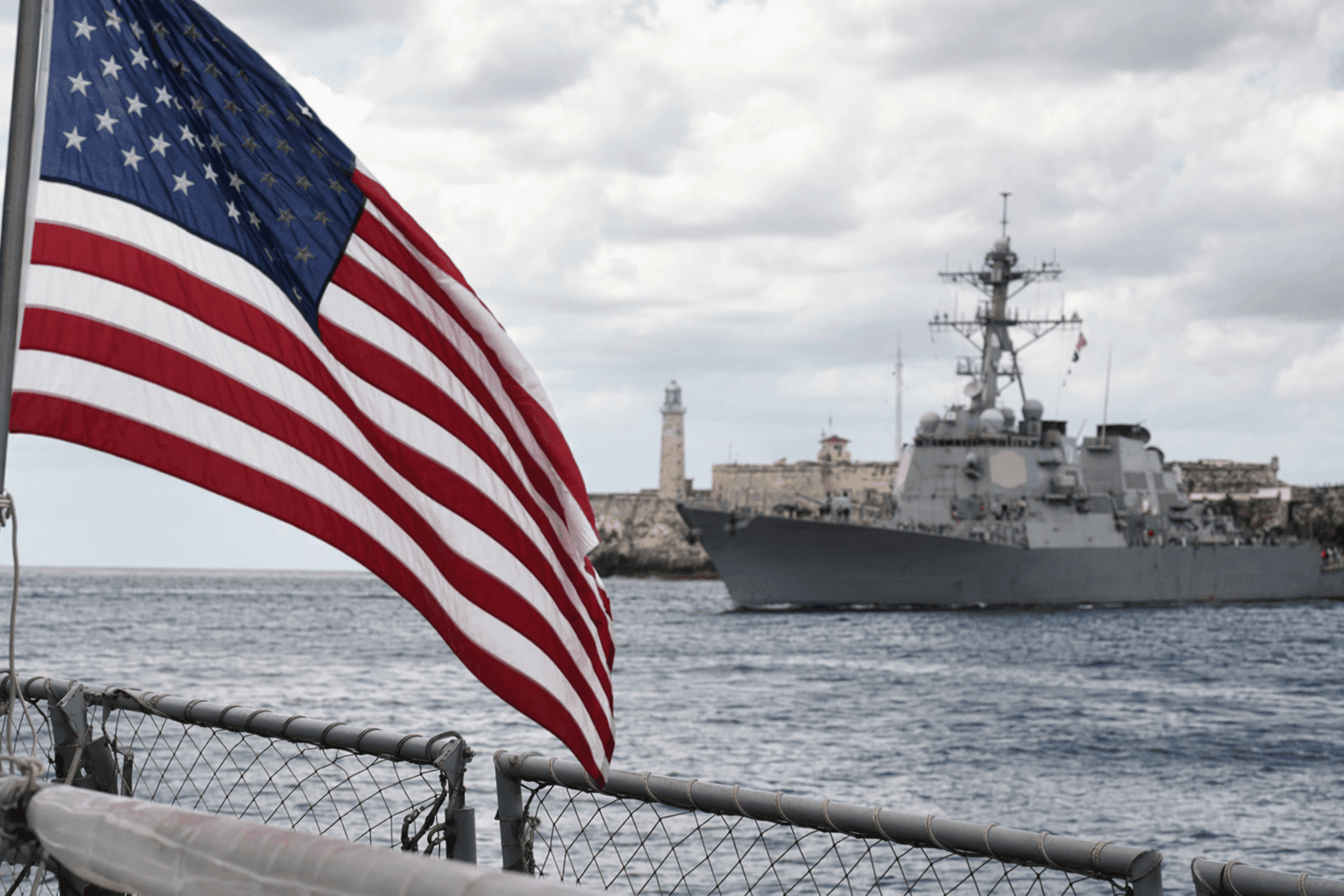
The vote landed after months of tightening pressure on the island’s energy supply. Venezuela oil shipments to Cuba were interrupted in mid-January, and by the end of that month the Trump administration was running what amounted to a fuel blockade. On April 2, a fuel tanker carrying Russia-origin cargo originally bound for Cuba rerouted to Venezuela after getting stuck in the fallout. Cuba later confirmed talks with U.S. officials on April 21 as tensions rose, while the United Nations said in April that humanitarian needs on the island remained acute and that the energy shock had worsened since the end of March.
The political signal is hard to miss. Democratic efforts to curb Trump’s powers have failed repeatedly, and Republicans have largely lined up behind the White House. On May 1, Trump signed an executive order broadening sanctions against the Cuban government and affiliates, underscoring that the pressure campaign did not slow after the Senate vote. For Havana, the message is that Washington has not just rejected restraint. It has kept the escalation path open.
Know something we missed? Have a correction or additional information?
Submit a Tip