US sends first humanitarian flight to Cuba amid shortages
The first U.S. aid flight carried 700 hygiene kits and 700 food items for up to 700 families, routed through Catholic groups instead of Havana.
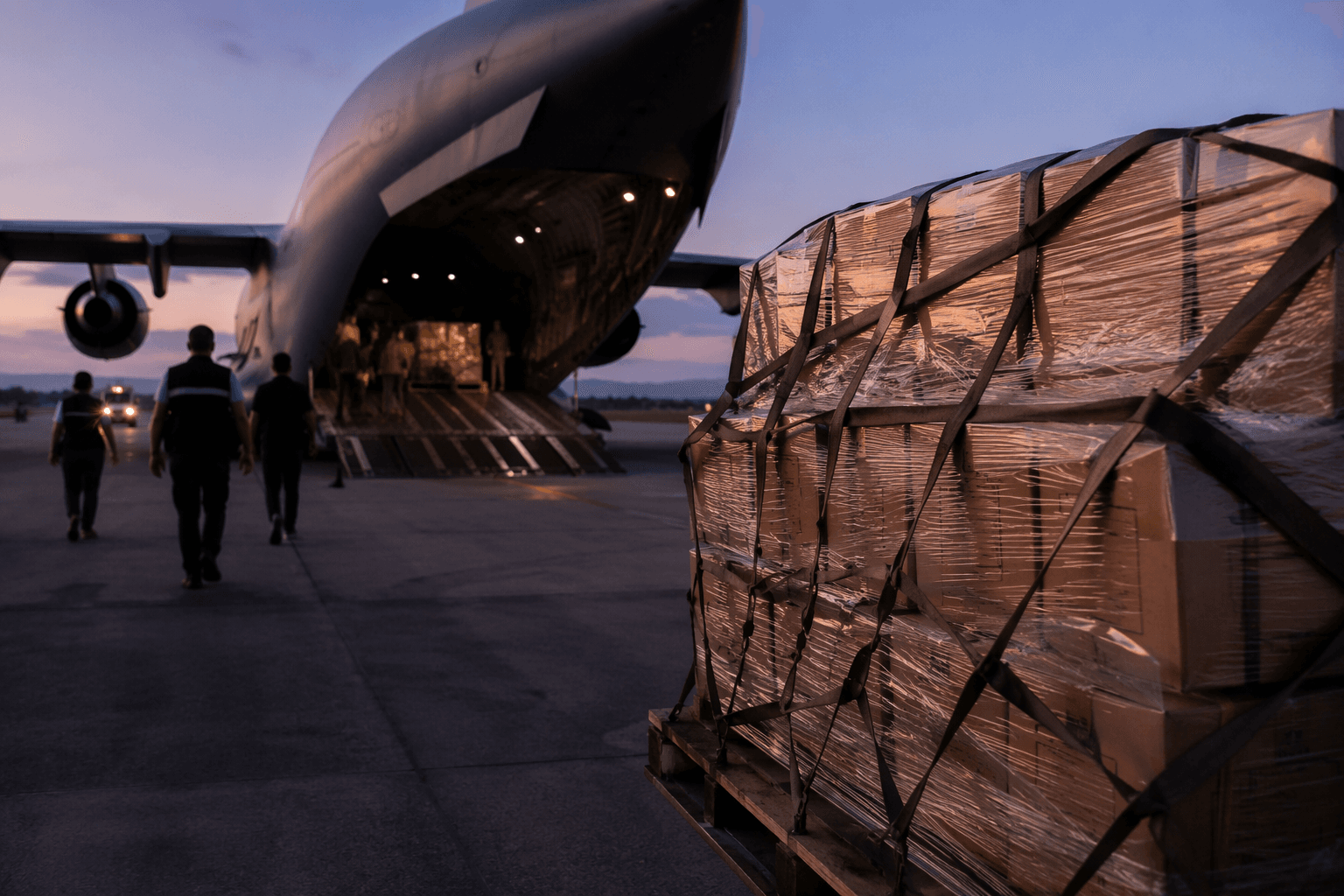
The United States sent its first humanitarian flight to Cuba under a new $100 million aid plan, loading food and hygiene kits onto a delivery chain designed to bypass the Cuban government. State Department officials said local priests and Catholic groups would distribute the supplies directly, a sign that Washington is trying to keep the shipment moving even as shortages, power cuts and fuel constraints continue to strain daily life on the island.
The flight carried 700 hygiene kits and 700 food items, with the assistance intended for up to 700 families. It was organized with Catholic Relief Services and church-linked partners, not through Havana’s ministries or state distribution network. That structure matters in Cuba, where aid can become political almost as quickly as it becomes practical, especially when outside groups are asked to deliver relief in a system marked by mistrust and tight control.
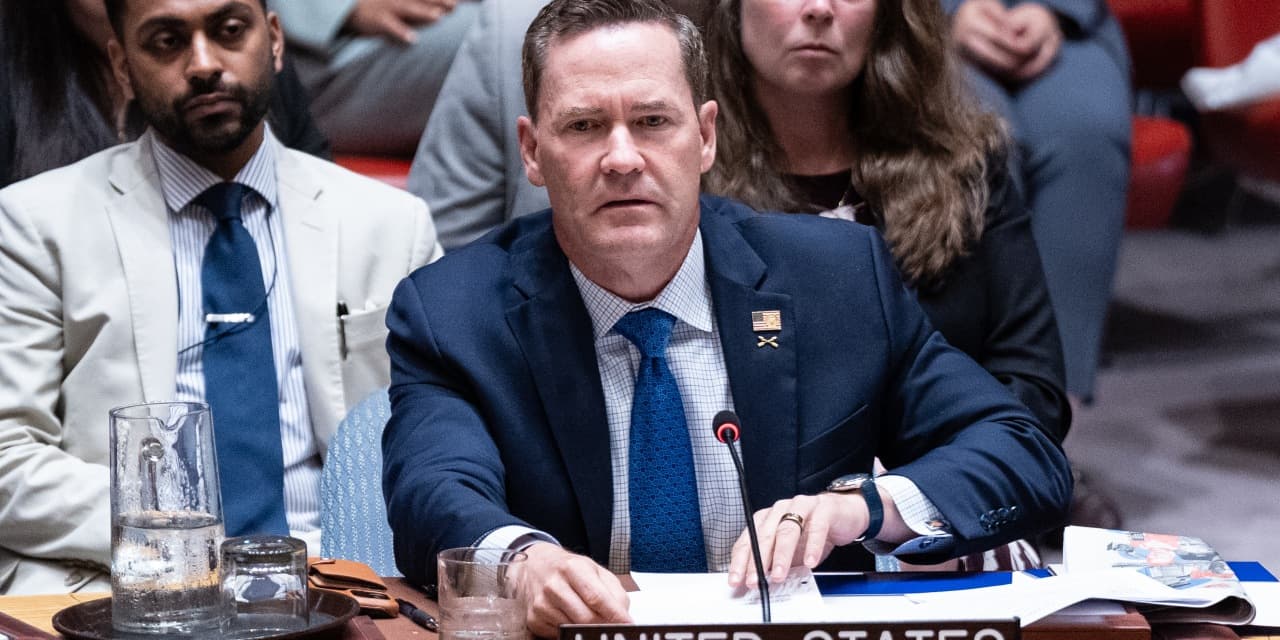
The package lands after months of back-and-forth between Washington and Havana. On January 15, Cuba agreed to accept U.S. aid as Washington warned against interference. On May 14, Cuban officials were still weighing a U.S. offer of $100 million while wary of Trump’s motives and the blockade. A week later, Marco Rubio paired aid language with a hard message to Cuba’s leaders, and on May 21 he said the likelihood of a negotiated agreement with Cuba was “not high.”
Catholic Relief Services says its Cuba program works with Caritas Cuba and local Church partners, giving the relief a built-in distribution network that can reach households the state may not. CRS says its work in Cuba can reach 6,000 vulnerable households with food kits that include rice, tuna and beans, along with hygiene supplies and water. That kind of channel is now central to how emergency aid is expected to move, especially when officials are warning that the regime should not interfere with delivery.
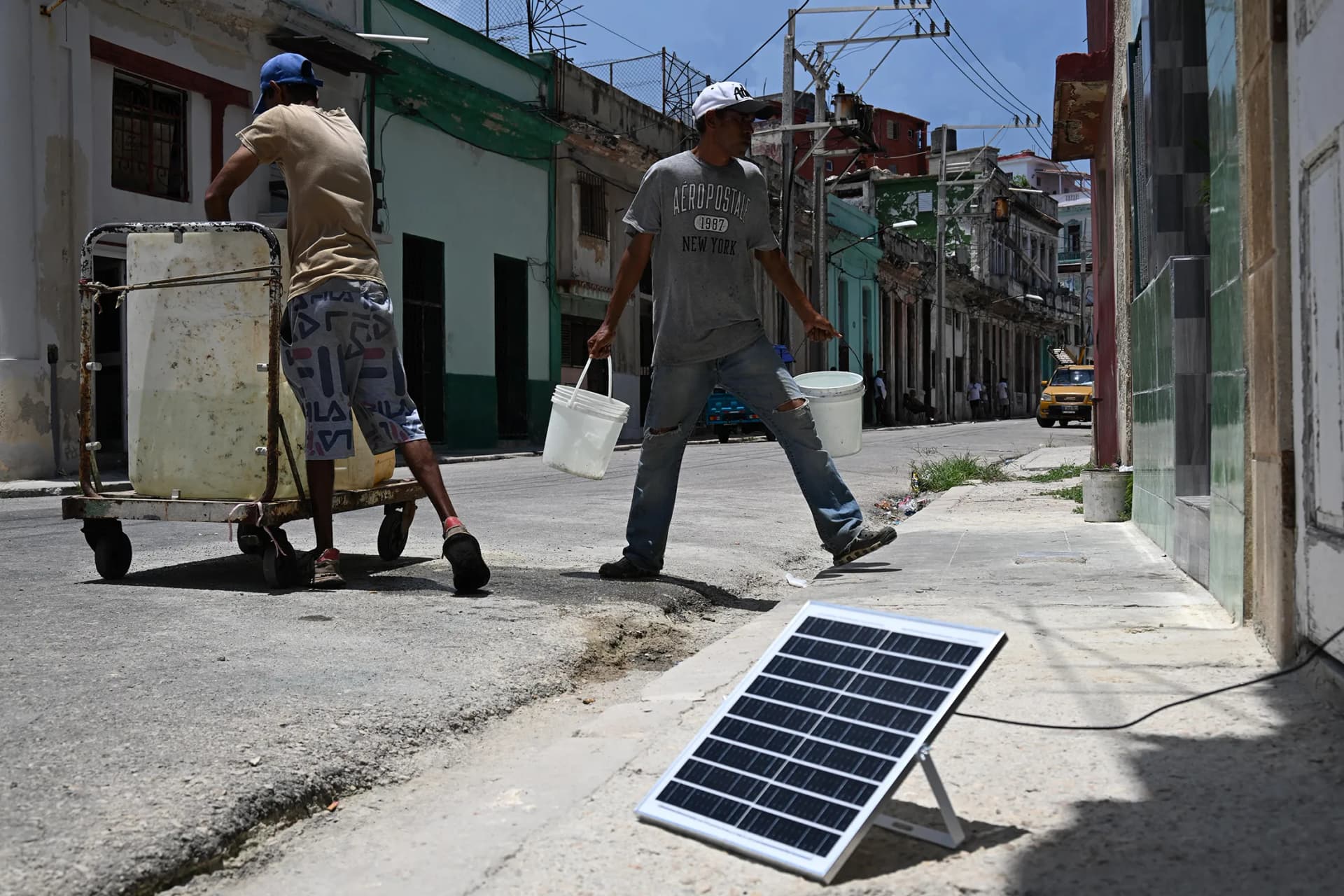
For travelers, the flight is another hard marker of how fragile the operating environment remains. Cuba’s shortages are not confined to households in Havana or the provinces. They spill into transport, fuel access, electricity and the supply chains that keep hotels, restaurants and airports functioning. When aid has to be sent in by air for families, it is a reminder that the same pressure points can disrupt a visit without much warning.
The first flight does not solve Cuba’s crisis, but it does show that the aid pipeline is now open under rules meant to keep it moving. If more flights follow, the real test will be whether this becomes a sustained channel or just a one-time gesture into a country where getting relief to the right hands is still the hardest part.
This article was produced by Prism’s automated news system from verified source data, official records, and press releases, then run through automated quality and moderation checks before publishing. The system is built and supervised by the people who set the standards it runs under. Read our full AI policy.
Did this article answer your question?