Viral TikTok exposes emotional cost of remittances, divides Cuban Americans
A viral TikTok showed a Cuban American's family opening Dollar Tree gifts while the creator lamented "repeated financial demands," splitting Cuban American reactions.
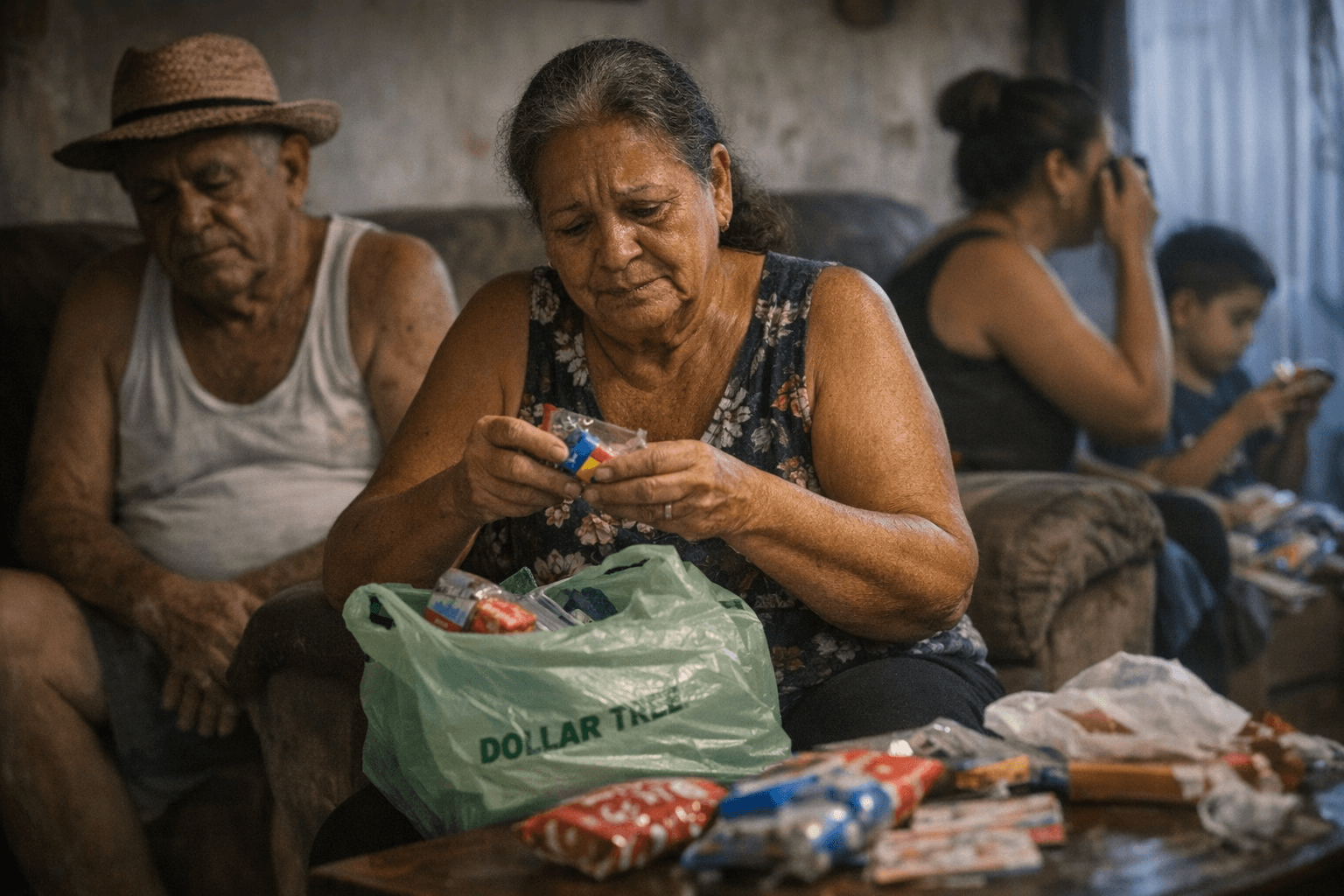
A short TikTok posted by a Cuban woman living in the United States went viral in early March after she "publicly expressed frustration with the repeated financial demands she receives from family members in Cuba." The clip has circulated across Cuban diaspora social channels, touching off sharp debate about obligation, gratitude and the emotional cost of sending aid from abroad.
A separate account of the same viral thread, published May 23, 2025 by Yare Grau, focused on the moment the woman's relatives in Cuba opened the modest packages she brought, noting many items came from budget stores. The piece highlighted a line that viewers seized on: "Even if they are things from the Chinese or Dollar Tree." User comments quoted in that account included, "You can see their humility," "What a blessing to have a family like that," and "It's so rewarding to see people enjoy what we can obtain through hard work."
The two emphases have collided in diaspora conversations: the original excerpt frames the creator's post as an airing of frustration over repeated financial requests, while the May 23 account frames the footage as a tender snapshot of gratitude. Neither source in the material provided confirms whether those two perspectives come from the exact same TikTok clip or from multiple posts by the same creator, leaving a central factual question unresolved even as the video amassed shares and reposts.
What is clear in the reporting is the broader context the videos tapped into: a reliance on remittances and packages to meet basic needs. The May 23 account described the scene as reflecting "a daily reality for thousands of families on the island: the dependence on remittances and packages sent by relatives abroad to meet basic needs, amid a crisis-stricken economy that has worsened inequality and precarity." That framing helps explain why modest gifts from discount chains provoked both praise for the family's gratitude and sympathy for the sender's frustration.
A frequently asked questions section accompanying the May 23 piece spelled out why many in the diaspora continue to send aid: "Sending aid to your relatives in Cuba is an act of love and responsibility for many Cubans in the diaspora. Despite criticism and political challenges, they prioritize the well-being of their loved ones over any ideological debate, ensuring that their families do not lack basic necessities." The FAQ also acknowledged logistical and emotional constraints: "Emigrants must plan and ration products due to weight and cost restrictions. Additionally, there is a constant emotional pressure to send more than what is possible and to deal with criticism or lack of appreciation from some family members."
The viral clip, the quoted reactions and the FAQ language together map a split that is both practical and moral: for senders, remittances are a constrained mixing of love and logistics; for recipients, even Dollar Tree items can carry deep material and symbolic value. Until the creator's TikTok handle, exact upload dates, and whether multiple posts are involved are confirmed, the debate will continue to play out in comment threads that mirror the economic and emotional tightrope many Cuban Americans walk.
This article was produced by Prism’s automated news system from verified source data, official records, and press releases, then run through automated quality and moderation checks before publishing. The system is built and supervised by the people who set the standards it runs under. Read our full AI policy.
Did this article answer your question?