What is clave, the rhythm at the heart of Cuban music
Clave is not just a percussion lick. It is the organizing pulse that shapes son, rumba, mambo, and Afro-Cuban jazz, and it clicks once you count 3-2 and 2-3.
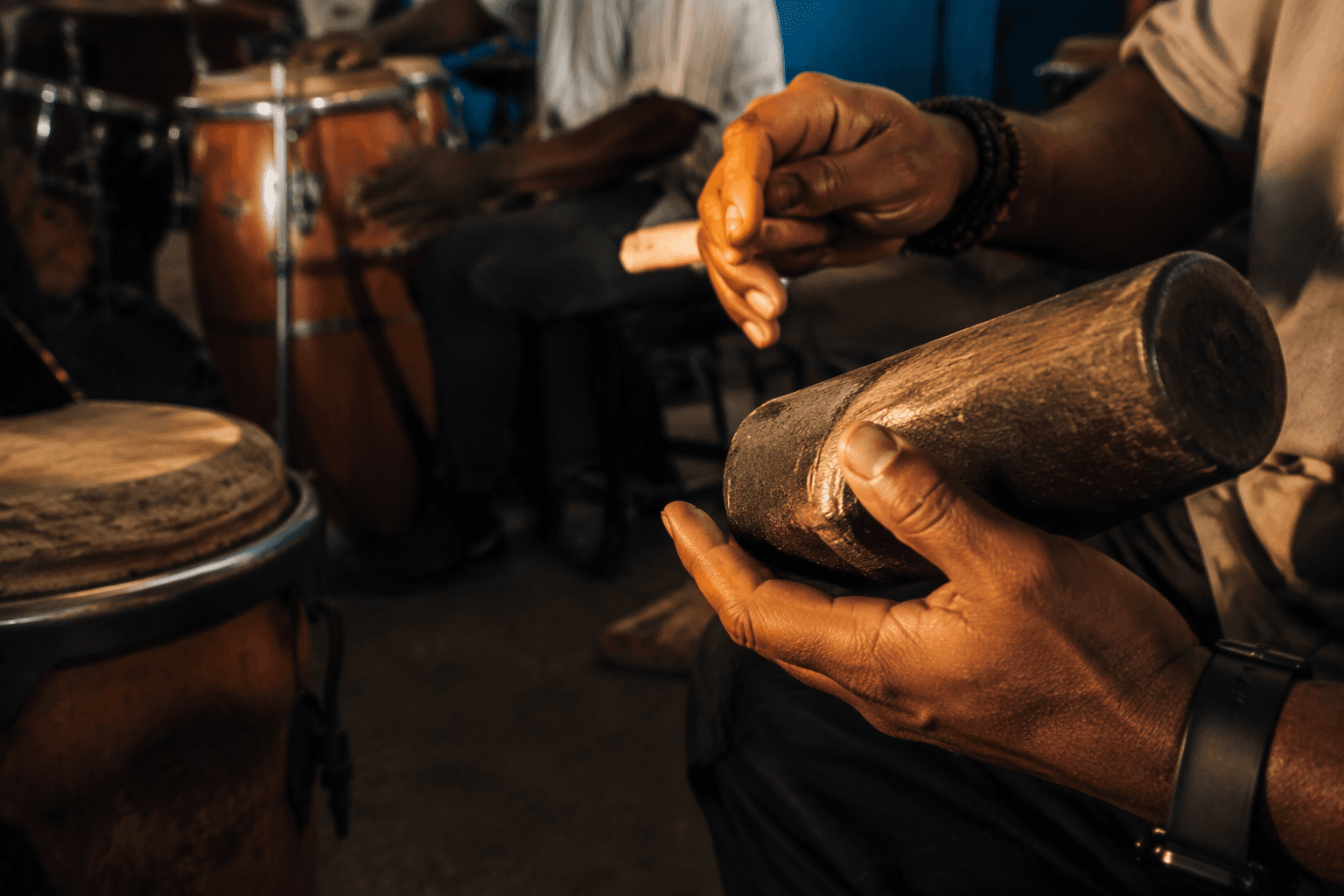
Three strokes in the first bar and two in the second: 3-2 clave is one of the basic orientations of the pattern. In 2-3 clave, the order is reversed. Clave is both a rhythmic pattern and a structural principle. Once you hear it that way, son, rumba, mambo, and Latin jazz stop sounding like a blur of accents and start sounding organized around a clear musical spine.
Clave is the framework, not just the accent
The beginner mistake is to treat clave as if it were only a percussion part, something separate from melody, bass, horn lines, and dance steps. In Cuban music, it works more like a timeline or skeleton that the rest of the ensemble fits around, and Berklee PULSE teaches it that way in its clave lesson. That is why musicians talk about son clave and rumba clave: they are not interchangeable ornaments, but different ways the rhythmic framework shapes the music.
The most common clave orientations you will hear discussed are 3-2 and 2-3. Those labels tell you how the two-bar pattern is arranged, and they are the fastest way to start hearing the difference.
How 3-2 and 2-3 change what you hear
The power of the pattern is not just in the numbers, but in how they organize phrases. When the music is in 3-2 clave, accents and melodic ideas tend to land against that three-stroke first bar, then resolve or answer in the two-stroke second bar. In 2-3 clave, the phrase logic flips, so the response comes first and the buildup follows.
That sounds abstract until you clap it against a son or a salsa line. Once you have the clave in your ear, you start noticing when a singer, horn section, or piano tumbao is leaning into the pattern and when it is crossing it.
Son and rumba show the two core traditions
Son clave is fundamental to son cubano and to much later Afro-Cuban dance music. It is the clearest entry point for most listeners because so much of the modern repertoire traces back to son’s rhythmic logic.
Rumba clave belongs to rumba-based traditions, where the rhythmic conversation works differently but still rests on the same basic idea of organized time. UNESCO listed “Rumba in Cuba” in 2016 as a “festive combination of music and dances and all the practices associated.”
Mambo and jazz inherit the same pulse
Mambo and other Afro-Cuban dance forms build on the same clave-centered logic, even when the orchestration gets louder, faster, or more syncopated. The clave does not disappear when the arrangement gets bigger; it becomes the rule that keeps the larger machine aligned.
Clave also matters in jazz. Naomi Coquillon’s Library of Congress piece “Getting a Feel for the Clave in Jazz” treats clave as something listeners can feel and connects the concept to jazz listening, and Afro-Cuban jazz in the United States grew through collaborations in the 1940s and after. In that setting, clave helps explain why a Cuban-influenced jazz line can feel locked in even when the soloist is stretching the phrase.
A simple way to hear it yourself
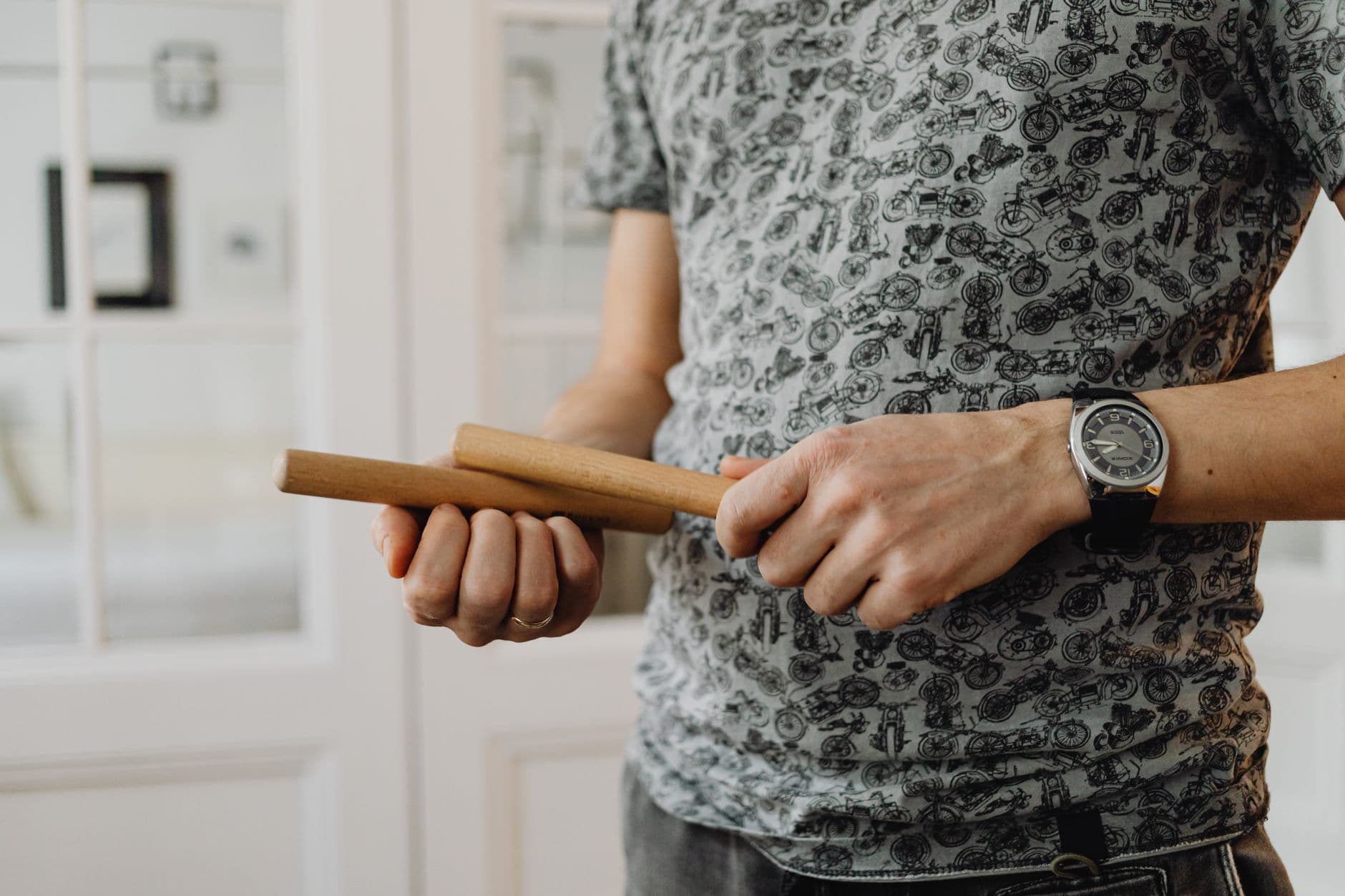
You do not need to read music to start following clave. A few minutes of clapping, tapping, or counting will make the pattern much easier to recognize in real songs.
1. Start with 3-2 clave: clap three strokes in the first bar, then two in the second.
2. Switch to 2-3 clave: reverse it so the two-stroke bar comes first, then the three-stroke bar.
3. Put on a son or rumba recording and keep the pattern steady while listening for where the melody lands.
4. Notice whether the phrases seem to lean into the three-stroke side or answer on the two-stroke side.
Why Cuban music education keeps returning to clave
Berklee PULSE teaches son clave and rumba clave as part of Afro-Cuban music education, and that approach mirrors how musicians actually work with the rhythm on the bandstand. If you can identify the clave, you can follow transitions, understand where the phrase sits, and hear why one arrangement feels complete while another sounds off-balance.
UNESCO’s later inscription of “The practice of Cuban Son” in 2025 extends that same recognition to son as a cultural practice, not just a genre label.
This article was produced by Prism’s automated news system from verified source data, official records, and press releases, then run through automated quality and moderation checks before publishing. The system is built and supervised by the people who set the standards it runs under. Read our full AI policy.
Did this article answer your question?