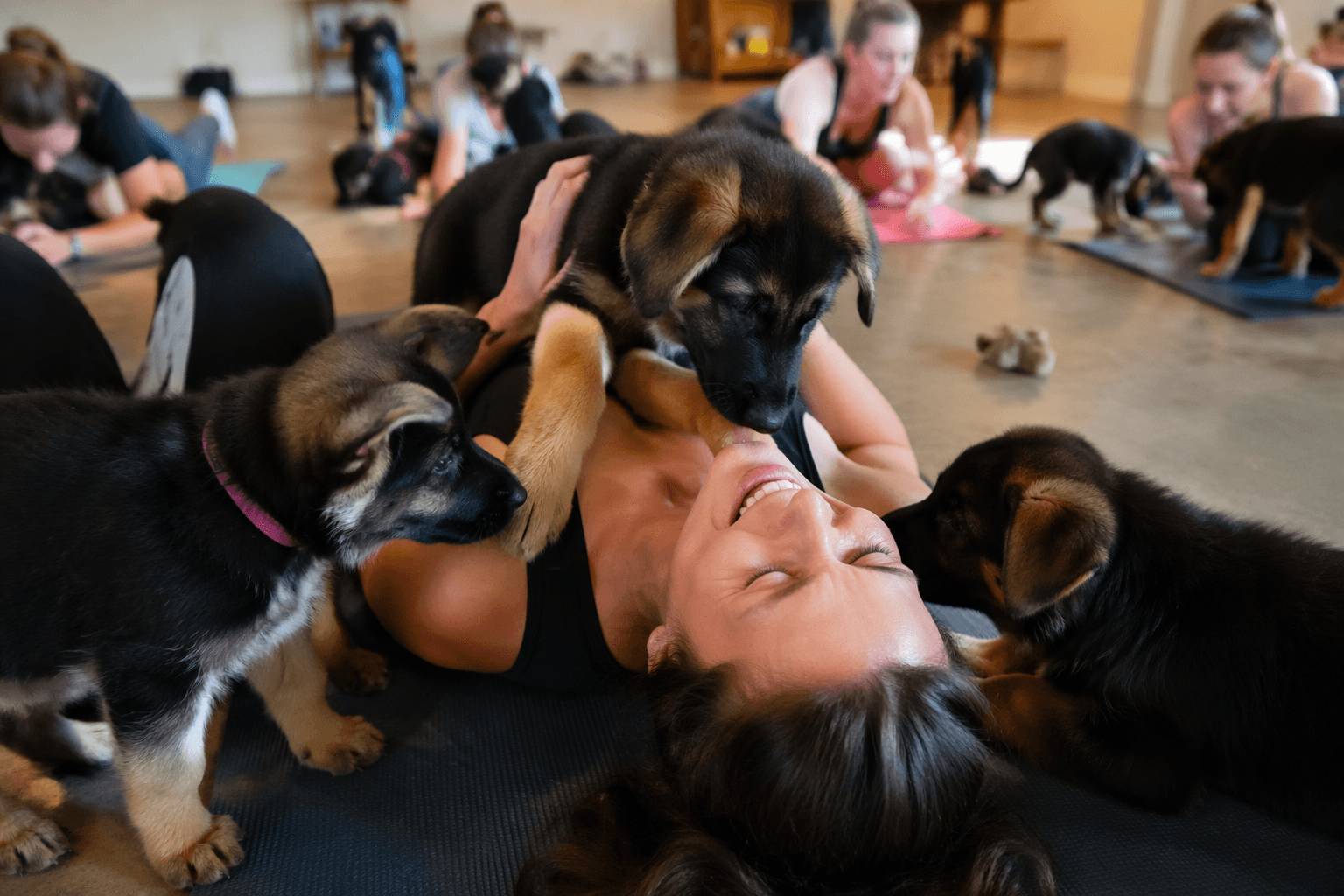
FitPaws Guide Treats Canine Fitness as Whole-Body Wellness Practice
FitPaws’ vet-backed guide reframes doga as preparation, not performance, with simple exercises that build balance, confidence, and safer movement for every dog.

Whole-body fitness is the real foundation of doga
FitPaws is pushing canine fitness beyond sport-dog circles, and that shift matters in doga studios too. The guide treats fitness as a structured wellness practice, built on five foundations: strength, balance, cardio, flexibility, and mental fitness. That framing is especially useful for dog yoga, where a calm dog is not always a prepared dog, and a relaxed pose is only as safe as the body holding it.
The strongest message is that dogs of all ages and abilities can benefit. The guide explicitly includes everyday pets, puppies, seniors, and dogs recovering from surgery or injury, which makes it far broader than a training plan for athletic dogs. For doga, that matters because the practice often draws mixed-ability pairs into the same class space, from wiggly first-timers to older dogs who need slower, more deliberate movement.
Why these exercises translate so well to dog yoga
The most useful takeaway for doga is that controlled movement matters as much as flexibility. FitPaws emphasizes small, repeatable exercises that build confidence and mobility over time, and that is exactly the kind of body awareness a dog needs before trying yoga-style holds, guided positioning, or balance work alongside a human mat session.
Three at-home tools stand out because they are simple, low-cost, and easy to adapt:
- Sit-to-stand repetitions, which encourage strength and controlled movement through the hind end and core.
- Balance-disc work, which asks the dog to place paws carefully and stay centered.
- Cavaletti poles, which build coordination and help the dog move with more intention.
These are not flashy drills, and that is the point. FitPaws stresses that the goal is not only athletic performance, but also better weight management, healthier joints, injury prevention, and a higher quality of life. In doga terms, that means the dog is better prepared for the slow transitions, pauses, and posture changes that make a session feel safe rather than forced.
How to warm up for a safer doga session
The best pre-doga prep is not a long workout. It is a short sequence of intentional movement that wakes up the body before any stretching, balancing, or close contact begins. FitPaws’ guide points readers toward a few extra minutes of purposeful movement each week, and that mindset fits doga perfectly.
A practical warm-up can stay simple: a few sit-to-stands, a little balance-disc work, and a careful pass over cavaletti poles if the dog already knows how to do them calmly. The value is in repetition and control, not speed. A beginner dog does not need to impress anyone in the first minute; the dog needs to settle into the pattern of moving with awareness.
That matters even more for less-mobile dogs. Dogs with smaller ranges of motion, slower reflexes, or confidence issues often do better when the session starts with familiar, repeatable actions instead of immediate pose work. Doga should feel like a bridge into movement, not a sudden demand for flexibility.
What beginners, seniors, and rehab dogs need most
For beginners, the guide’s biggest gift is permission to start small. A dog does not need a full athletic program to benefit from canine fitness, and a first doga session should not test the limits of coordination. Basic strength and balance work can build the foundation for a class later, especially when the dog is learning how to settle beside a mat, shift weight calmly, or hold position without bracing.
Senior dogs need the same structure, only slower. The guide’s emphasis on healthier joints and higher quality of life makes a strong case for low-pressure movement that supports comfort instead of pushing range of motion. In a doga setting, that can mean shorter sessions, fewer transitions, and more attention to how the dog is carrying weight from one side to the other.
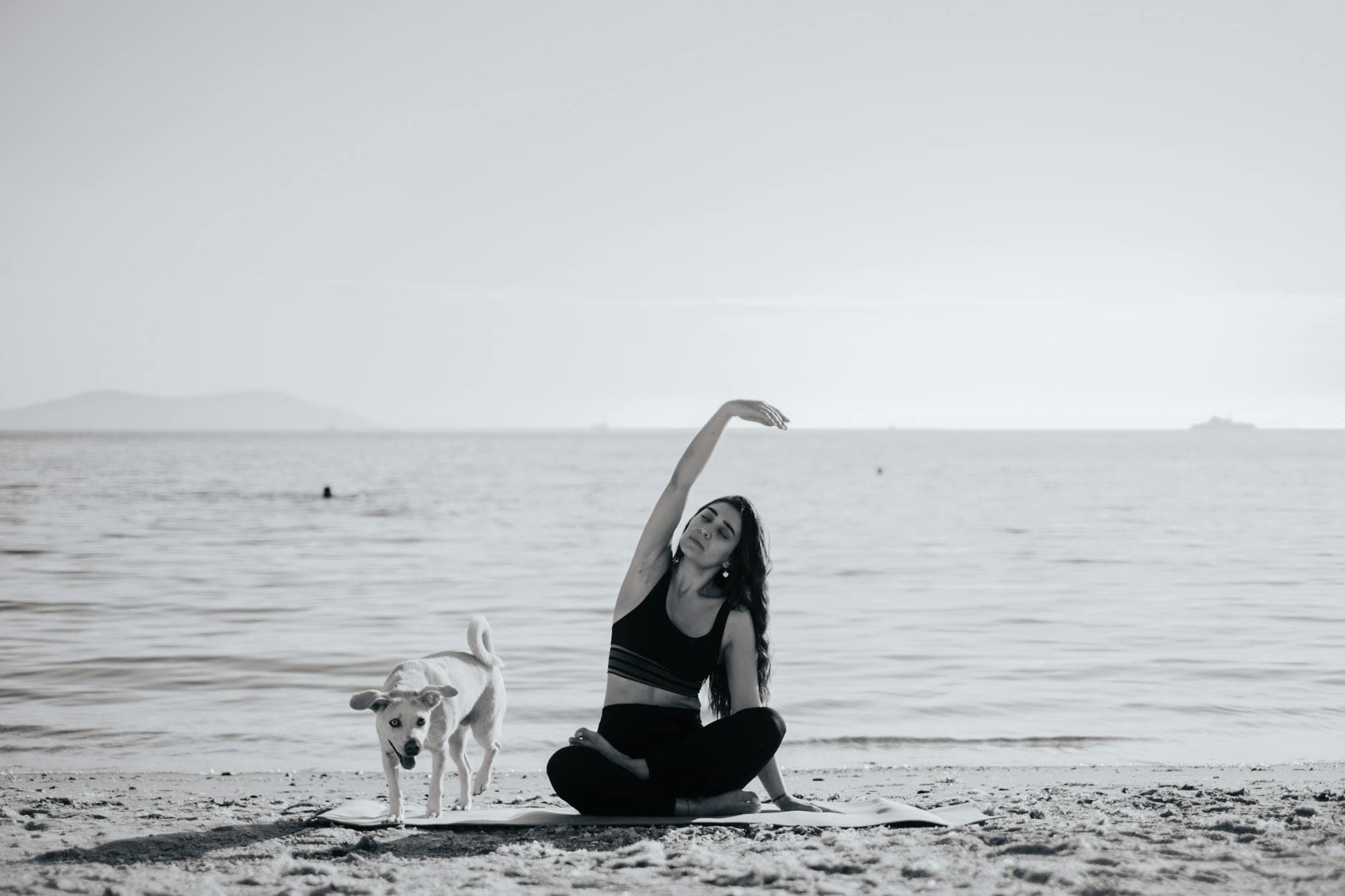
Dogs recovering from surgery or injury are included in the guide’s audience, but that inclusion comes with a clear boundary: these dogs belong in a careful, medically informed lane. If recovery is still active, the goal is not a class milestone. It is rebuilding confidence, mobility, and trust in movement one controlled repetition at a time.
When to bring in a veterinarian or certified professional
FitPaws is direct about the point that should shape every doga plan: consult a veterinarian before beginning a new program. That warning is especially important if a dog has arthritis, a recent injury, or any other medical issue. In those cases, even a gentle-looking class can ask more from the body than it should.
The guide also encourages owners to connect with a certified professional, which matters because not every dog reads balance, fatigue, or discomfort the same way. A trainer or vet can help decide whether a dog is ready for class-based doga, what movements to introduce first, and how to adjust pace for age, mobility, and medical history. That kind of input is especially valuable in mixed-level classes, where one dog may be ready for coordination work while another is still learning how to stand squarely and stay calm.
National Canine Fitness Month is the perfect reminder
FitPaws uses National Canine Fitness Month as a rallying point, and the timing makes sense. The guide asks owners to assess their dog’s current condition, try one new exercise, connect with a certified professional, or add a few extra minutes of intentional movement each week. That is a useful reset for any doga household, because the practice only works when the dog is actually prepared for it.
The broader lesson is that doga is safest when it is treated like training for body awareness, not a novelty pose session. Strength, balance, cardio, flexibility, and mental fitness make the dog more capable before it ever steps onto a mat. When the movement is small, repeatable, and thoughtfully chosen, doga becomes what it should be: a calm, confidence-building practice that supports real comfort in everyday life.
This article was produced by Prism’s automated news system from verified source data, official records, and press releases, then run through automated quality and moderation checks before publishing. The system is built and supervised by the people who set the standards it runs under. Read our full AI policy.
Did this article answer your question?