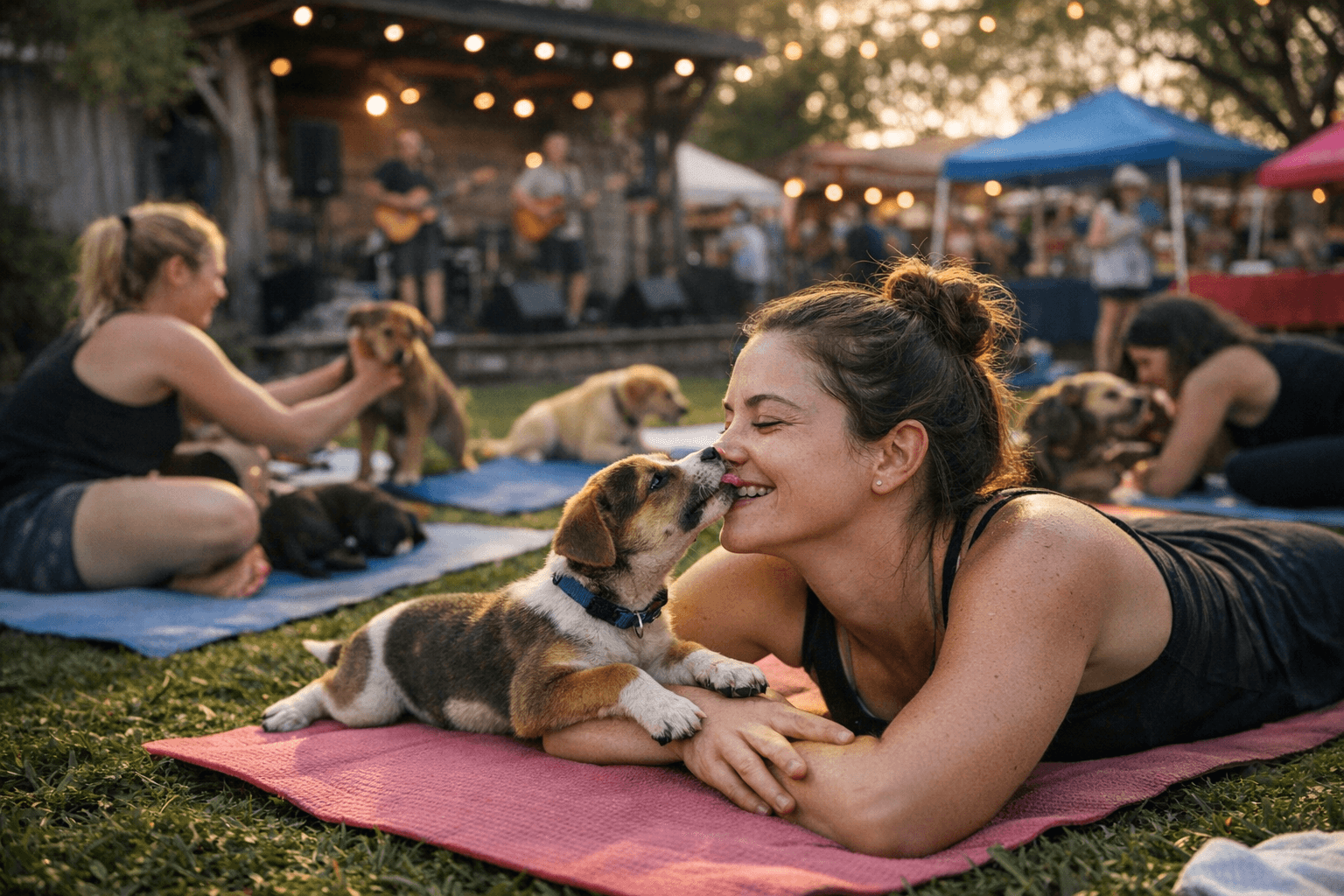
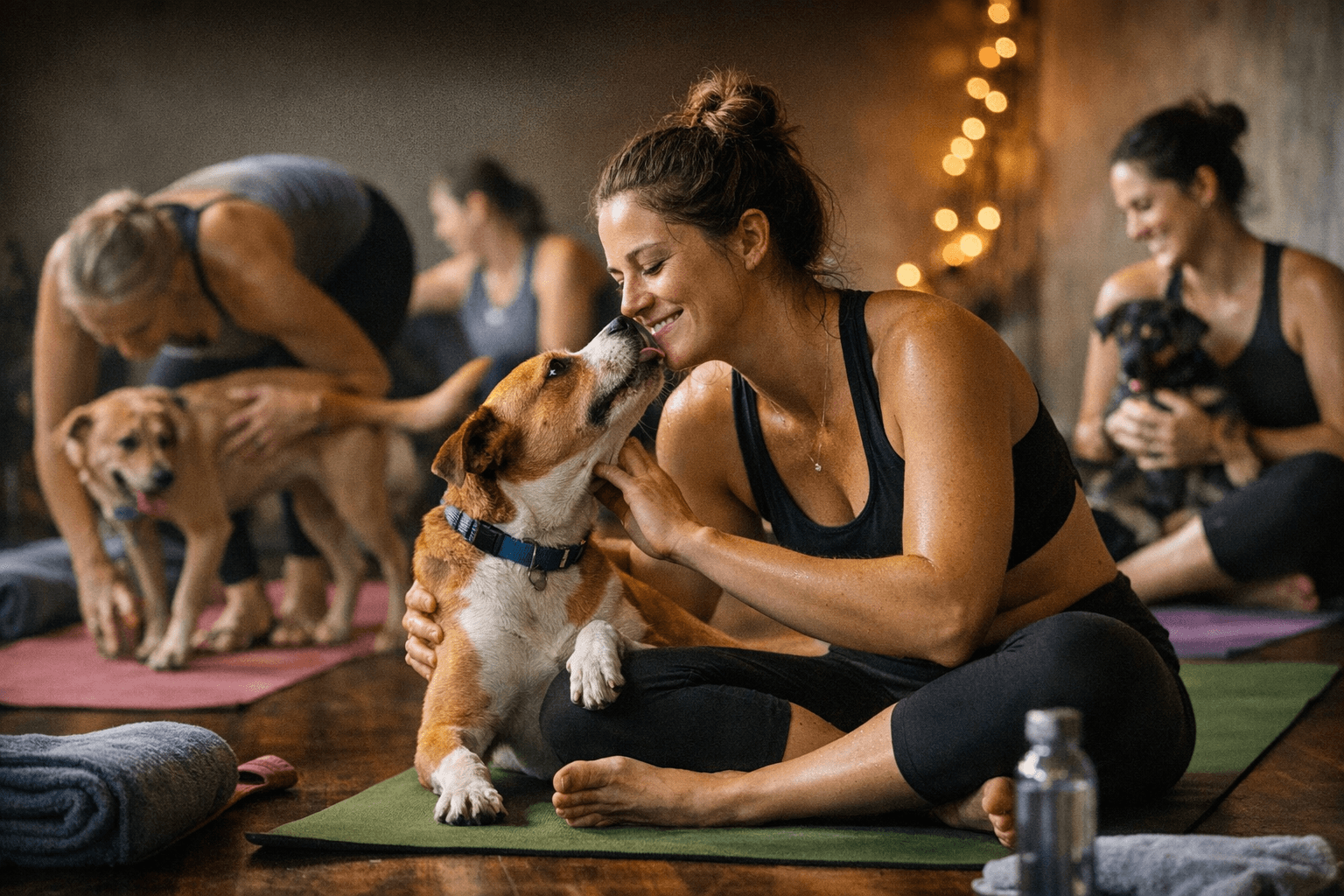
10 Minutes of Daily Play Strengthen Dog-Owner Bond, Study Finds
Ten minutes of reciprocal play lifted emotional closeness in a four-week dog-owner study, with tug and chase beating repetitive routines.

Ten minutes of real back-and-forth play, not just tossing a toy, was enough to move the needle on dog-owner closeness in a four-week study that matters for every doga session. Per Jensen, Caisa Persson-Werme and Lina S. V. Roth used the Monash Dog-Owner Relationship Scale and found that the Play group, not the Training or Control groups, posted the only significant rise in Emotional Closeness, with p = 0.018.
The study was not a casual opinion poll. In Study A, 2,940 respondents reported on their usual routines, and both play and reward-based training were tied to relationship measures at p < 0.0001. Study B then followed 408 owner-dog pairs for four weeks and repeated the questionnaire after volunteers were assigned to Play, Training or Control. Training still helped dogs learn skills, but play delivered the strongest emotional payoff.
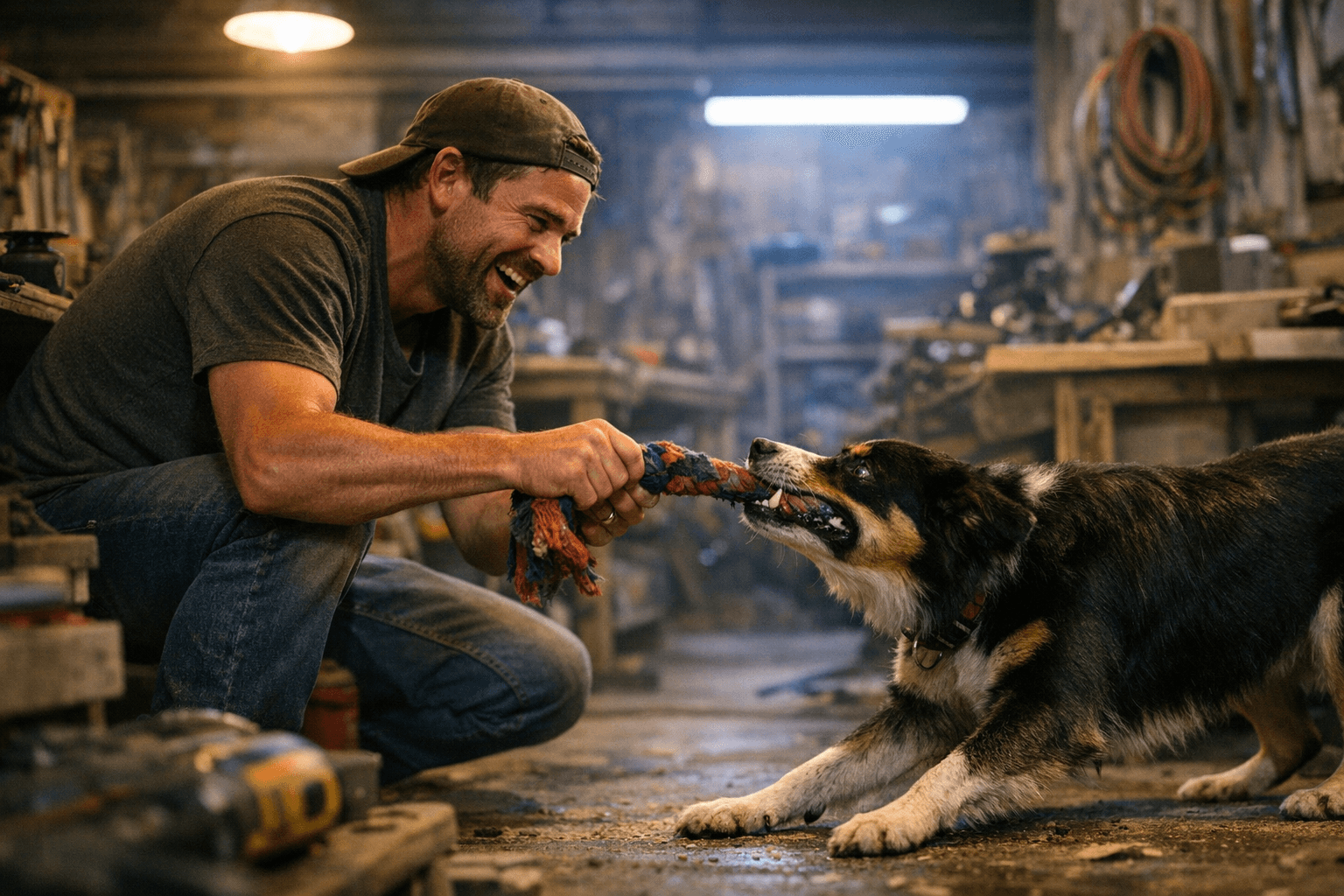
That is the useful part for dog-yoga readers. A dog that has already had a short, reciprocal game is more likely to arrive on the mat settled, attentive and willing to stay connected through a slow stretch or a brief posture hold. Owners in the play group said their dogs seemed more positively disposed toward them and took more initiative to play, which is exactly the kind of responsiveness that makes a shared movement session feel easier and safer.
The same-day routine does not need to be fancy. Keep it to 10 minutes and make it two-way: a couple of minutes of gentle tug with a clear release cue, a few minutes of back-and-forth chase in a small space, or a short recall game with pauses so the dog can reset. Then bring the dog back to the mat and ask for a settle. The version to skip is the overstimulating one, endless ball-launching, frantic squeaky-toy repetition, or rough wrestling that leaves the dog amped up instead of tuned in. The study’s key lesson is that reciprocal play matters more than repetitive, mechanical interaction.
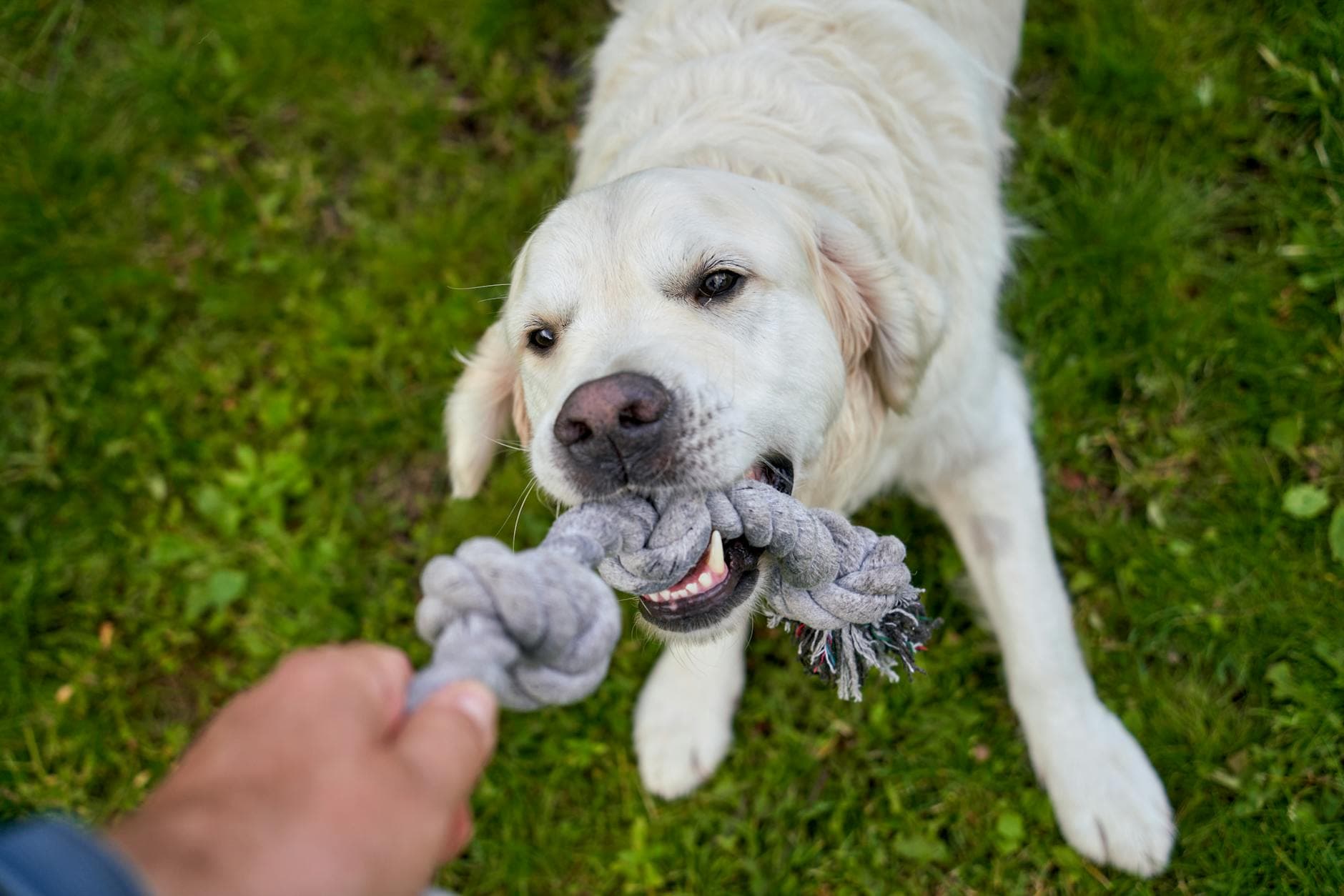
Linköping University said the finding applies to both young and adult dogs, which matters because many dogs change homes in mid-life. Roth noted that rescue-dog owners may miss the early socialization window, but can still build a strong bond later through shared activity. That lines up with earlier Linköping work linking long-term dog stress to the owner-dog relationship, a reminder that daily play is not just about burning energy. It can shape how calm, trusting and connected a dog feels when the mat comes out.
Know something we missed? Have a correction or additional information?
Submit a Tip