Goodwoof festival spotlights rescue dogs, DOGA and canine wellness
Goodwoof turned The Kennels into a rescue-dog wellness weekend, with DOGA, meditation, and Barkitecture all folded into one crowded, family-friendly festival.

Rescue dogs set the tone at The Kennels
Goodwoof’s fifth year at The Kennels on the Goodwood Estate in West Sussex did not treat rescue dogs like a side note. The weekend of Saturday 16 and Sunday 17 May 2026 put them front and center, with hundreds of rescue dogs taking part and a Rescue Dog Parade leading the charge. Goodwood framed the parade as a celebration of “love, resilience and second chances,” and that spirit ran through the whole festival.
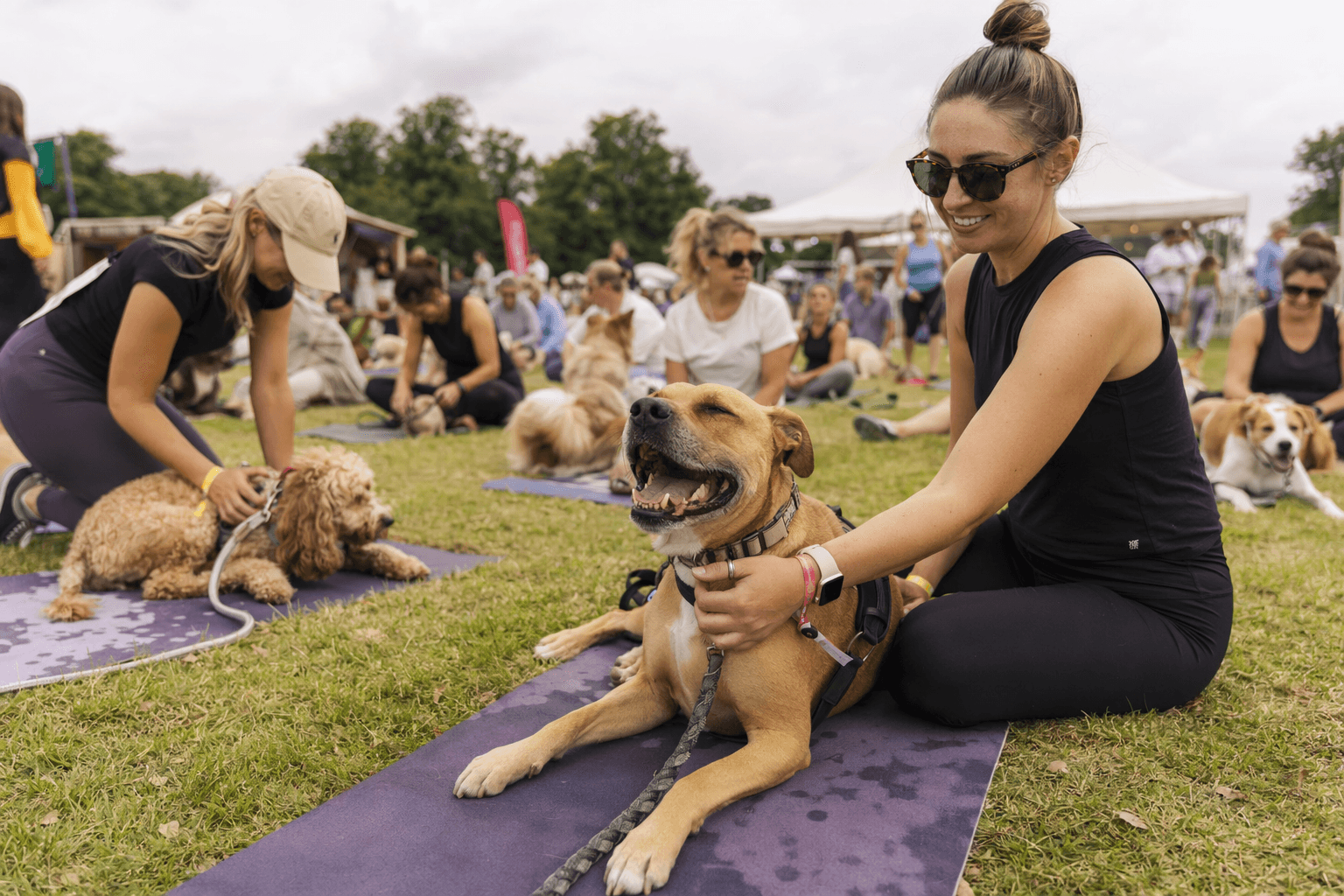
That matters because Goodwoof was not a tiny niche class tucked into a side tent. The 2026 edition offered more than 50 activities, with dogs and children 12 and under admitted free. The result was a big, mixed crowd of dog people, families, and casual visitors moving through the same event, which is exactly why the rescue message landed so strongly. Battersea Dogs & Cats Home served as the official charity partner, so the attention on adoption and rehoming was tied to real fundraising and real visibility, not just feel-good branding.
DOGA lived inside a bigger wellness circuit
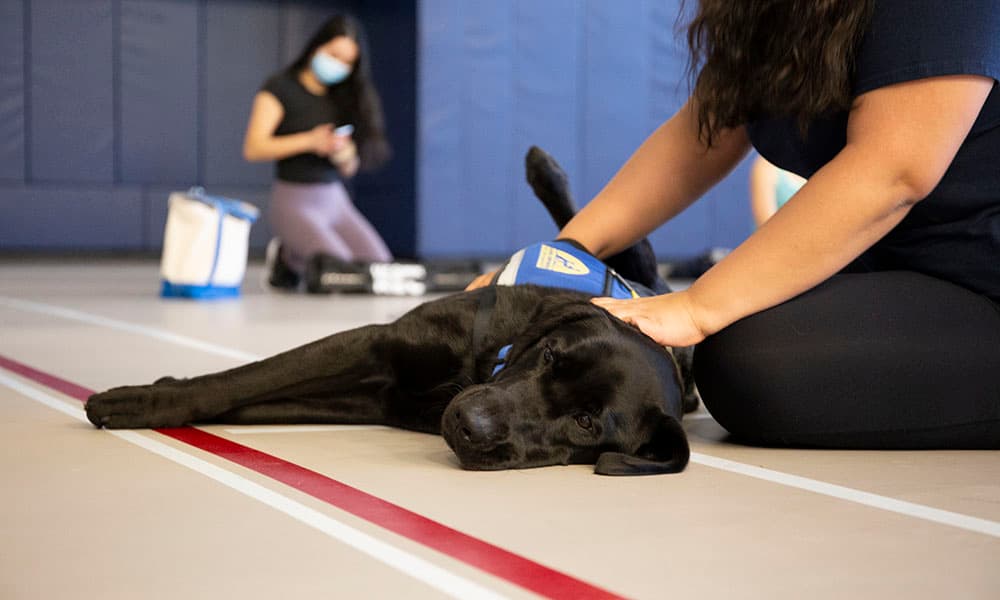
If you came for DOGA, you found it inside the Randox Health Studio, not isolated as a novelty act. Goodwood described The Studio as the festival’s calming hub, and that is how it played out on the ground: a place where dogs and owners could reset between the louder, busier parts of the weekend. Complimentary sessions included reiki, pilates, dog massage, freedom techniques, meditation, and DOGA, all folded into the ticketed Goodwoof experience.
That mix is what made the wellness side feel grounded rather than gimmicky. DOGA was part of a wider rhythm of movement, touch, and downtime, so it fit naturally beside meditation and dog massage instead of competing with them. The practical takeaway for anyone watching the category is simple: dog yoga travels best when it is embedded in a full-day festival that gives people a reason to stay, wander, and try more than one activity.
The format also made the event feel useful to actual dog owners. Instead of asking attendees to treat wellness as an abstract trend, Goodwoof gave them a place to do something with their dogs, then move on to something else that still served the same shared purpose. That is the difference between a single pop-up class and a festival that understands how dog lovers spend a day.
Barkitecture added design, spectacle, and a charitable payoff
Goodwoof’s appeal did not stop at exercise mats and quiet rooms. Barkitecture gave the festival a design-forward edge, with custom kennels that made the whole thing feel more like a cultural event than a pet fair. The 2026 theme was “Dogs in Space,” and 16 architects and artists from around the world took part, including the LEGO Group in its first Barkitecture appearance.
HPW Architecture Ltd won the competition with Star Paws Sleeping Module, and the judging panel had the kind of mixed credibility that helps an event travel beyond dog circles: Kevin McCloud MBE, astronaut Tim Peake CMG, interiors writer and presenter Michelle Ogundehin, comedian Bill Bailey, and Seamus, the Regimental Mascot of the Irish Guards. That lineup tells you what Goodwoof is trying to be. It is not just a festival for people who already know the dog-wellness vocabulary. It is a broader experience built to pull in architecture fans, design watchers, and families who want something visual and conversation-worthy.
Then there was the auction. Barkitecture raised £21,080 for Battersea, which gave the whole competition a direct charitable edge. That kind of number matters because it shows the showpiece side of the weekend was not just for spectacle. It was also a mechanism for support, tying back neatly to the rescue-dog center of gravity that defined the rest of Goodwoof.
Why the festival format works for DOGA
Goodwoof is a strong example of how DOGA scales when it is treated as one part of a larger dog-centered day out. The class benefits from the setting: rescue-dog visibility, a charity partner with real weight, a wellness studio that feels coherent, and enough surrounding activity to make the trip worth it for people who are not there for one single session. In other words, the yoga works better because the whole weekend works.
The free-entry policy for dogs and for children 12 and under also helped widen the net. That kind of access changes the atmosphere on the ground. It keeps the event from feeling overly polished or exclusive, even though the programming clearly had a curated, premium edge. You could see families, rescue supporters, and serious dog enthusiasts moving through the same spaces, which is exactly the sort of overlap that gives a canine-wellness festival its energy.
For readers tracking the growth of DOGA, the lesson from Goodwoof is not that dog yoga needs to become bigger for its own sake. It needs context. At The Kennels, DOGA had one job: be part of a weekend where rescue dogs were celebrated, owners could genuinely unwind, and the whole festival still had room for spectacle, design, and fundraising. That is why Goodwoof felt like more than a pet event and more than a wellness class, and why the opening parade, the Studio sessions, and the Barkitecture auction all belonged in the same story.
Know something we missed? Have a correction or additional information?
Submit a Tip