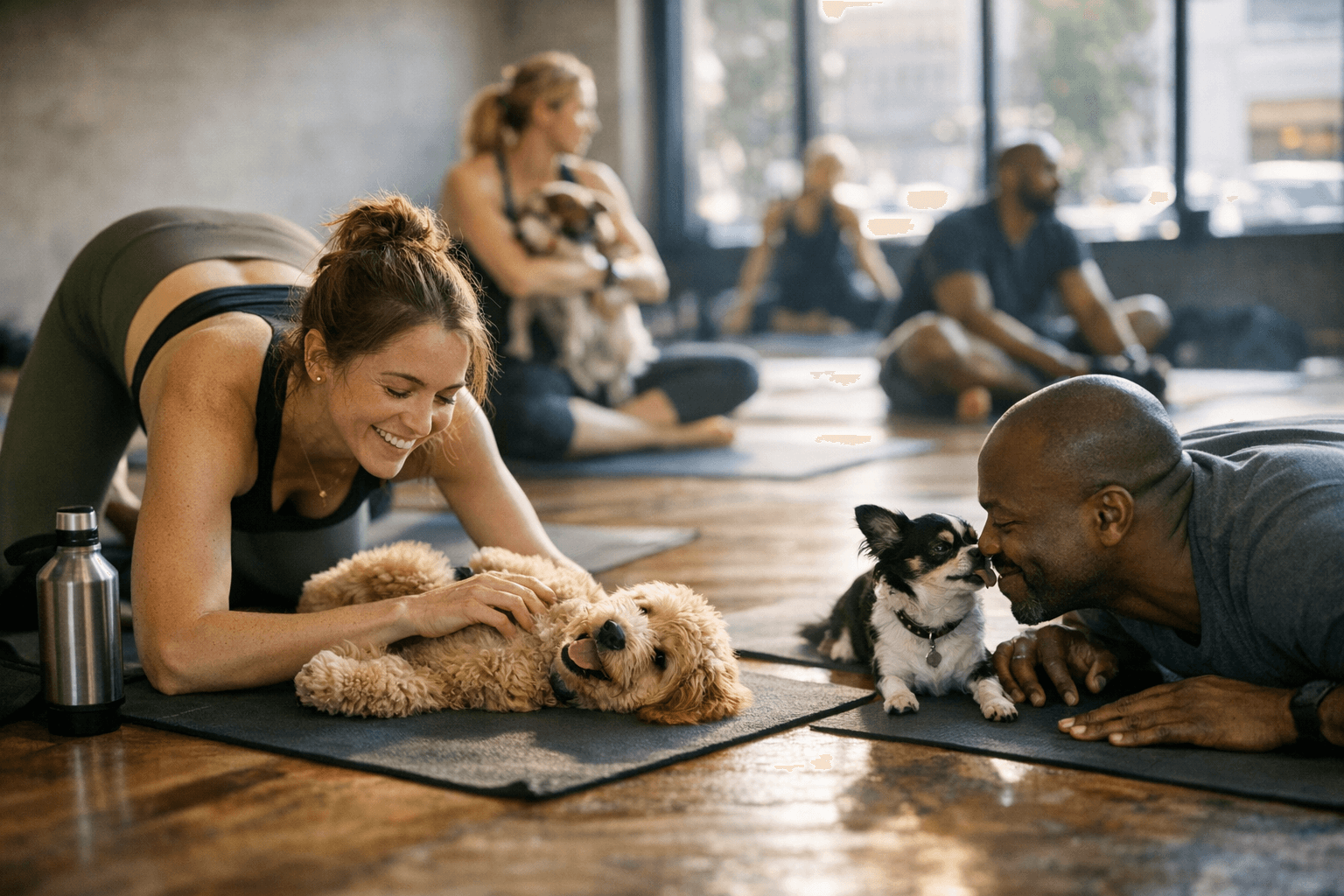
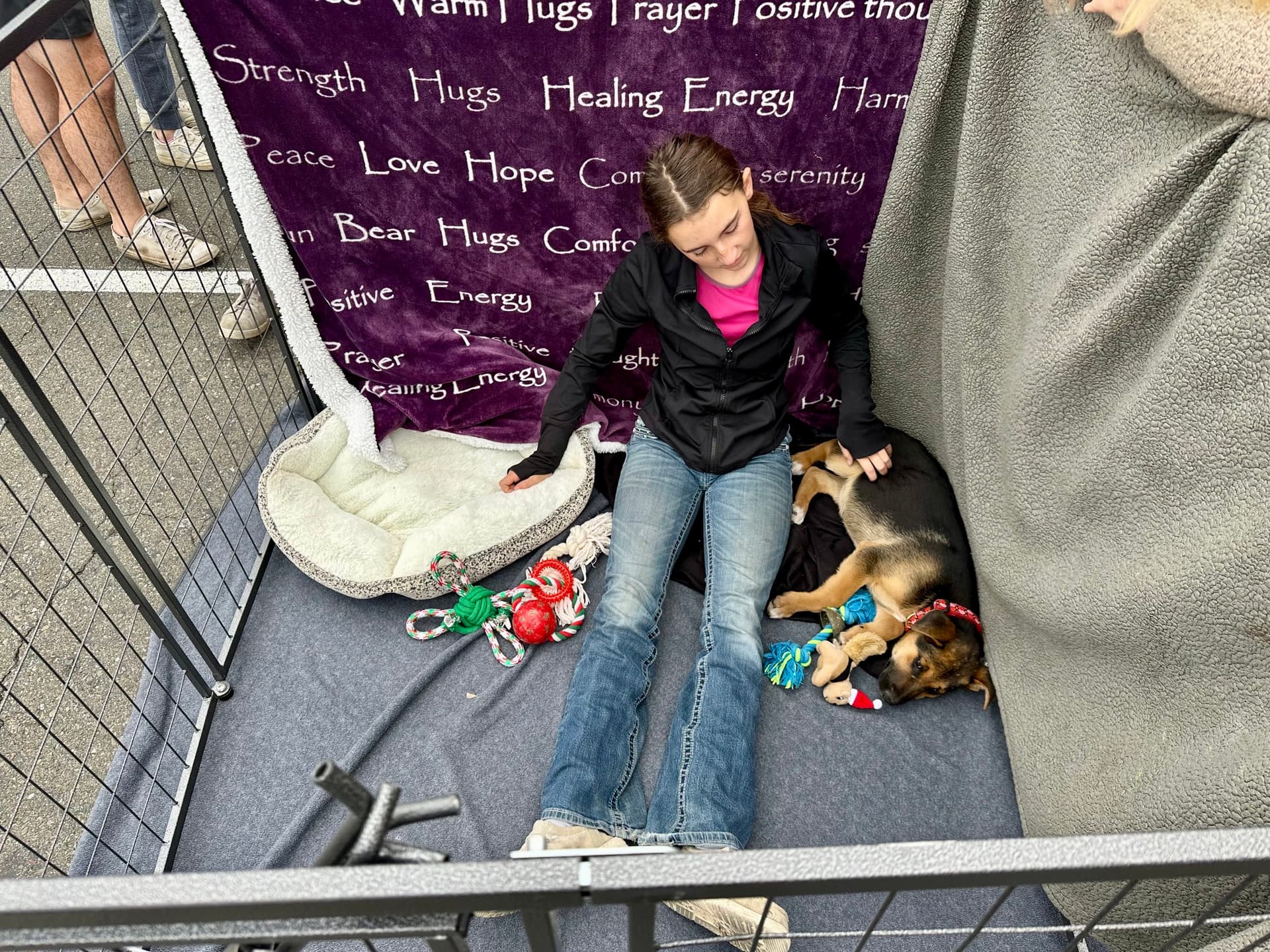
Puppy Yoga Classes Offer Feel-Good Benefits for Dogs and Owners
Puppy yoga blends stress relief with real canine welfare benefits, but only when classes meet proper standards.
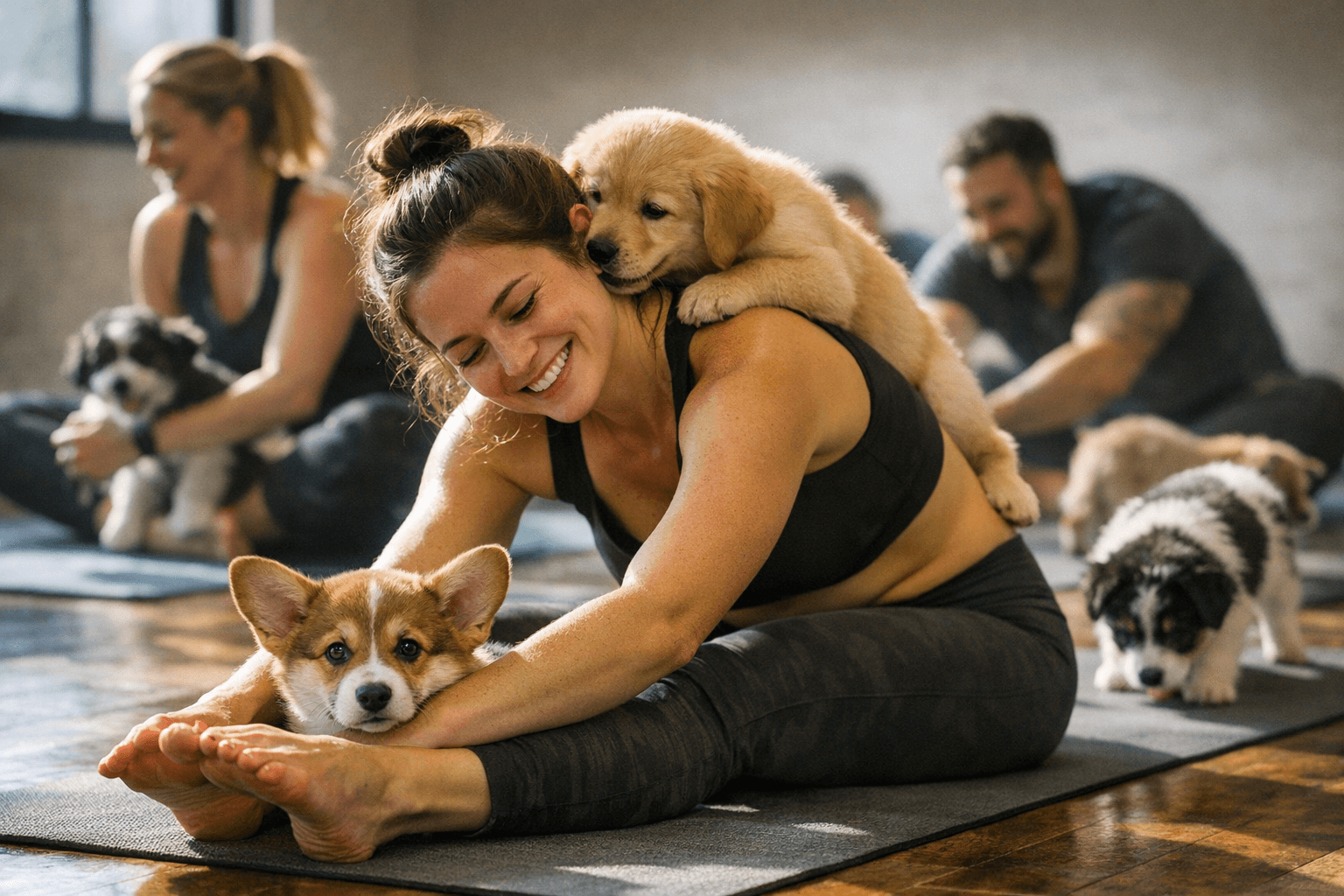
There's a moment in every puppy yoga class that nobody warns you about: a seven-week-old Lab mix decides your downward dog is the perfect launching pad, and suddenly the room erupts in laughter. That moment is the whole point. Puppy yoga has grown from a quirky novelty into a genuine wellness category, and if you've been curious about whether it's worth your time or just an Instagram trend dressed up in a headband, the answer is more nuanced than either camp wants to admit.
What Puppy Yoga Actually Is
Strip away the social media aesthetics and you're looking at a hybrid experience: a structured yoga session conducted in the presence of puppies who roam freely among participants. The format varies by organizer, but the core premise is consistent. You move through a sequence of poses while puppies interact with you, climb on you, and occasionally derail your form entirely. The class is simultaneously a workout, a mindfulness practice, and an animal interaction session, which is exactly why it attracts people who might never set foot in a conventional studio.
The appeal isn't accidental. Canine Journal has tracked why these events continue to draw consistent consumer interest even as other wellness fads cycle in and out. The answer comes down to a combination of immediate emotional payoff and the deeper, more lasting benefits that come from genuine human-animal connection.
The Feel-Good Effects Are Real
The stress relief you feel when a puppy climbs into your lap during child's pose isn't placebo. Human-animal interaction triggers measurable physiological responses: cortisol levels drop, oxytocin rises, and the nervous system shifts toward a parasympathetic state, which is the same relaxation response that yoga itself targets. When you layer puppy contact on top of breathwork and movement, you're essentially doubling down on the mechanisms that make yoga beneficial in the first place.
For people who struggle to stay present during a conventional yoga class, puppies solve the problem immediately. You cannot ruminate about your inbox when a Border Collie puppy is chewing your shoelace. The forced presence that meditation teachers spend years trying to cultivate happens automatically. That's a meaningful benefit, not a gimmick, and it explains why participants consistently report that puppy yoga sessions feel more restorative than equivalent solo practices.
The social dimension matters too. These classes tend to be communal in a way that a standard studio session rarely is. Shared laughter, spontaneous conversation, and the collective experience of being charmed by the same animals creates a group cohesion that adds its own layer of wellbeing.
What the Research Says About Benefits for Dogs
Here's where the conversation gets more serious, and where the dog yoga community needs to hold the line. The feel-good benefits for humans are largely guaranteed by the presence of any puppy. The benefits for the dogs are entirely dependent on how the class is run.
When welfare standards are applied correctly, puppy yoga can be genuinely positive for young dogs. Controlled socialization during the critical developmental window, roughly three to twelve weeks of age, has documented effects on temperament and adaptability. A well-run class exposes puppies to novel environments, different body types, varied sounds, and gentle handling in a low-stakes setting. That kind of enrichment, done properly, builds the neural pathways that make for a confident, resilient adult dog.
The key phrase is "done properly." Class size, session duration, access to rest areas, and the age and health status of the puppies all determine whether the experience is enriching or stressful. A puppy that's been on a studio floor for three hours with fifty people is not benefiting from socialization; it's being overwhelmed. Responsible organizers cap attendance, rotate puppies out for rest, and screen animals for signs of stress before and during sessions.
How to Evaluate a Puppy Yoga Class Before You Book
Not every class lives up to the welfare standards that make these events genuinely beneficial. Before you commit to a session, there are specific things worth investigating:
- Puppy source and age: Reputable classes work with rescue organizations or ethical breeders and keep puppies within appropriate age ranges for socialization activities. Ask directly where the animals come from.
- Session structure: Classes should have defined limits on duration. Puppies need access to water, food, and quiet rest space throughout the session, not just before and after.
- Participant ratio: A room with eight puppies and forty humans is a welfare problem. Look for classes that maintain a reasonable ratio and cap total attendance.
- Handling guidelines: Good organizers brief participants on how to interact with the animals before the session starts. If nobody mentions not picking up puppies by the scruff or letting them initiate contact, that's a signal.
- Observable stress monitoring: Staff or handlers should be actively watching the puppies during the class, not just facilitating the yoga component. A puppy showing stress signals should be removed, full stop.
Making the Most of the Experience as a Practitioner
If you've verified that a class meets these standards, the practice itself is worth approaching with realistic expectations. Your alignment is going to suffer. Your sequencing will be interrupted. The Savasana might involve a puppy sitting directly on your face. That's the deal, and fighting it defeats the purpose.
The practitioners who get the most out of puppy yoga are the ones who treat it as a complementary experience rather than a substitute for a serious practice. Use it as a reset, a social event, or an on-ramp for people in your life who are intimidated by conventional yoga. It's also, frankly, one of the more effective tools for reconnecting with why you started practicing in the first place. The playfulness that puppies inject into the session has a way of shaking loose the performance anxiety that creeps into any long-term practice.
The Welfare Case Is the Strongest Argument
The most compelling reason puppy yoga has staying power isn't the stress relief or the Instagram content. It's that, at its best, it represents a model for human-animal interaction that actually serves both species. Classes that operate with genuine welfare standards create socialization opportunities for dogs that translate into better long-term outcomes and potential adoption matches for rescue animals. They generate revenue that can support rescue operations. And they create informed, empathetic animal advocates out of participants who came for the vibes and left understanding something real about canine behavior and wellbeing.
That's a longer arc than most wellness trends manage. The classes that get this right deserve the patronage; the ones cutting corners on animal welfare deserve the scrutiny.
Know something we missed? Have a correction or additional information?
Submit a Tip