Puppy Yoga Combines Gentle Movement and Animal Interaction for Stress Relief
Puppy yoga blends gentle breathwork with free-roaming puppies from rescues, and the science behind the stress relief is more compelling than you might expect.

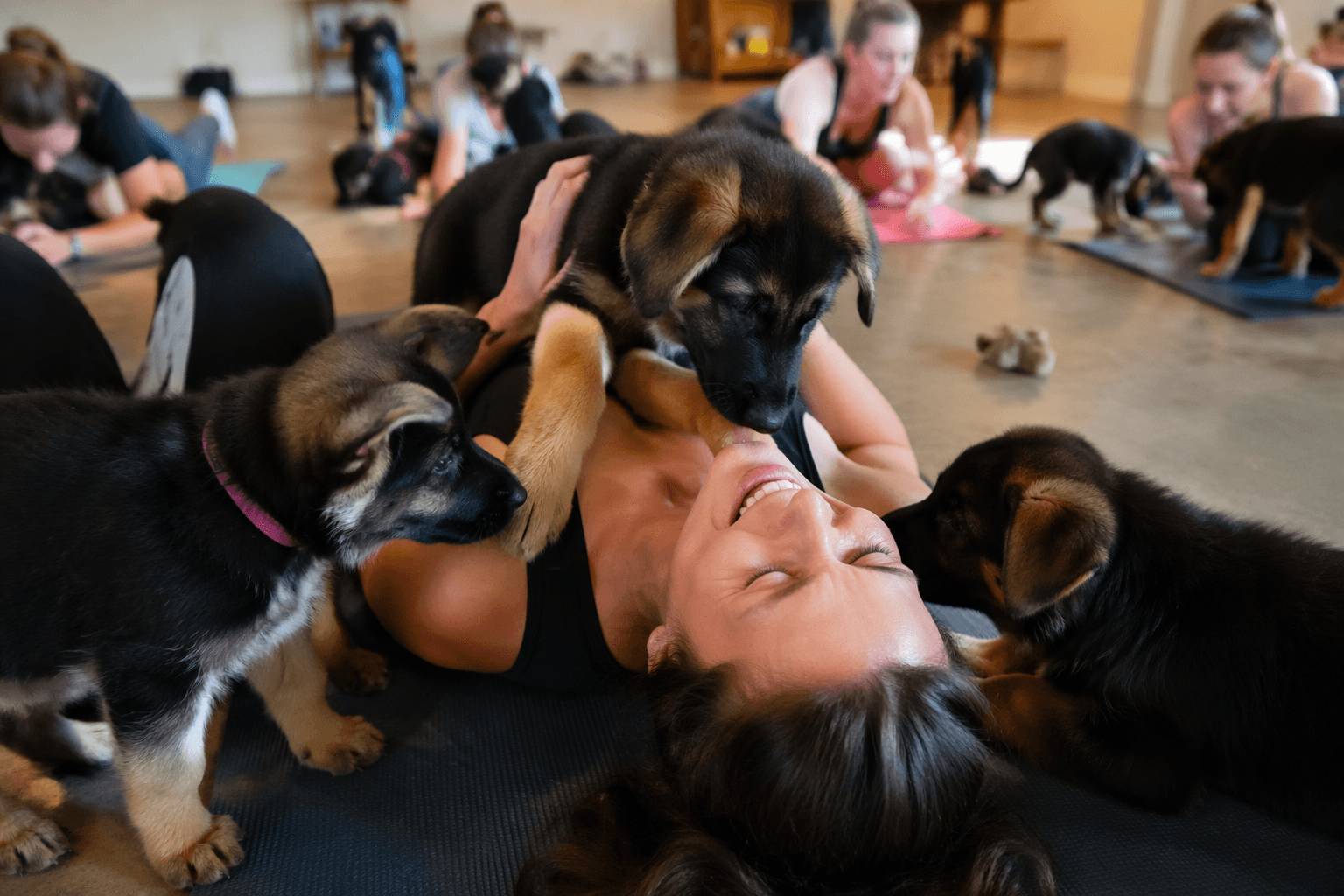
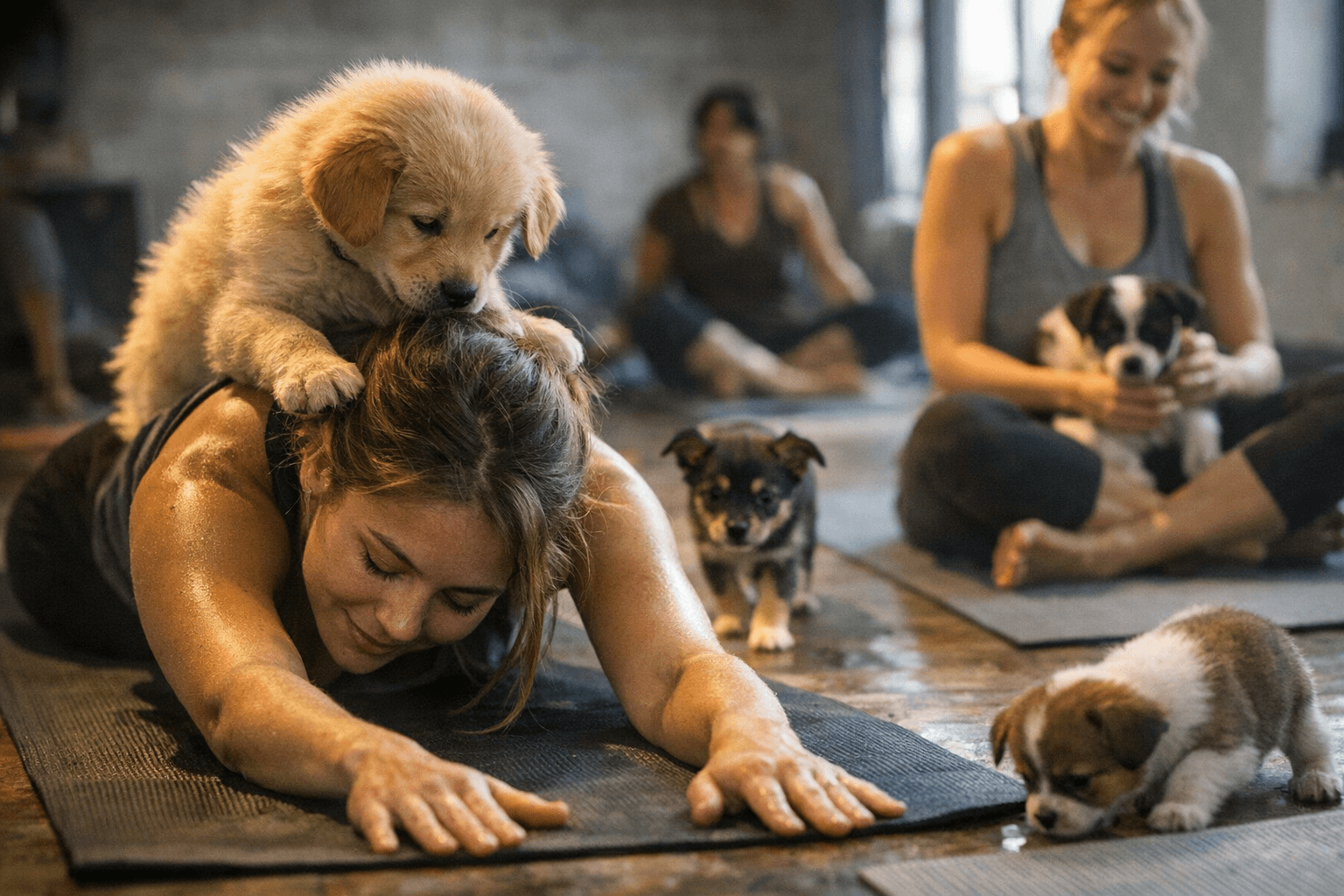
There is a moment in almost every puppy yoga session that regular practitioners recognize instantly: you are halfway through a seated forward fold, your breath is slowing, and a warm, squirming puppy climbs directly onto your lower back. The pose dissolves. The stress goes with it. That moment is not an accident of chaos; it is, increasingly, the entire point.
Puppy yoga has carved out a distinct corner of the wellness world, sitting comfortably alongside sound baths and restorative yin as a studio offering that prioritizes emotional relief over athletic achievement. Understanding what it actually is, what the science says about why it works, and what separates a well-run session from a poorly considered one makes all the difference between a genuinely nourishing experience and a frustrating one.
What Puppy Yoga Actually Is
A puppy yoga session is a group class designed around gentle, beginner-accessible movement that intentionally incorporates puppies, usually sourced from rescues or ethical breeders, wandering freely between participants' mats. The puppies are not props or performers; they roam, sniff, curl up, and occasionally interrupt a pose entirely, and instructors are specifically trained to embrace those interruptions rather than work around them.
The practice is explicitly not performance-oriented. There are no inversions being judged, no competitive energy, no pressure to achieve a particular shape. The frame is closer to a restorative or yin session than to a vinyasa flow: slow transitions, sustainable holds, and a deliberate atmosphere of ease. For many participants, that accessibility is what makes the format so appealing. Whether you have never unrolled a mat or have been practicing for years, a puppy yoga class meets you at the same starting point.
The Science Behind the Calm
The appeal of combining yoga with animal interaction is not purely anecdotal; there is a meaningful body of research supporting both components of the experience. NIH-supported studies and CDC material on human-animal interaction consistently show that spending time with animals can lower cortisol, the body's primary stress hormone, while simultaneously increasing oxytocin, a neurohormone associated with bonding and calming responses.
Yoga itself is well-documented as a practice that reduces anxiety and promotes physiological calm through breathwork and slow movement. When the two are layered together, the effect can be amplified. Puppy yoga, framed this way, functions less like a fitness class and more like a compounded stress-reduction protocol: the breathwork lowers the body's threat response, and the animal contact reinforces that shift at a hormonal level. The result is the kind of present-moment calm that both practices independently aim for, arrived at faster and with considerably more laughter.
How a Session Unfolds
A well-structured puppy yoga class follows a recognizable arc. It begins with a short warm-up: gentle joint mobilization and breathing exercises that settle the room and prepare participants physically and mentally. Once the group has found its rhythm, the puppies are introduced.
From that point, the session adapts around the animals rather than despite them. Instructors favor poses that work in any direction and can be paused mid-hold without disruption. Think supported child's pose, reclined twists, and seated stretches rather than standing balances that require extended concentration. When a puppy climbs onto a participant's mat or demands attention, the instructor treats it as part of the practice, an invitation to soften, respond, and let go of rigidity. Sessions typically close with dedicated play and cuddle time, giving participants space to engage with the puppies outside of any movement context at all.
Animal Welfare: The Non-Negotiable Foundation
Any honest conversation about puppy yoga has to centre animal welfare, and the best studios treat it as foundational rather than an afterthought. Responsible organizers work exclusively with vaccinated, temperament-tested puppies sourced from rescue partners or thoroughly vetted breeders. The animals are not simply borrowed for the morning; their comfort and health are an operational priority.
Concrete safeguards matter here:
- Session lengths are kept short to prevent overstimulation and fatigue in young animals
- Puppies are given dedicated rest areas away from the mat space throughout the class
- Handling is supervised, with participants guided on gentle, low-stress interaction
- Veterinary oversight is maintained, including up-to-date vaccination records and health checks
- The number of sessions puppies participate in per day is deliberately limited
The welfare of dogs and the mental-health benefits for participants are both central considerations that responsible organizers must balance simultaneously. When that balance tips, the integrity of the whole experience unravels. A puppy showing signs of stress is not delivering the calm the session is designed to produce.
Choosing the Right Session
Not every puppy yoga event is created equal, and knowing what to look for protects both you and the animals involved. When evaluating a class or studio, prioritize transparency. Organizers who openly describe their animal welfare protocols, name their rescue or breeder partners, and detail the safeguards in place are demonstrating exactly the kind of accountability the practice requires.
A few practical markers of a well-run session:
- Clear information about where the puppies come from and how they are cared for
- Explicit mention of vaccination status and veterinary oversight
- Capped class sizes that prevent the space from becoming overwhelming for the animals
- Rest areas visible or described in the session plan
- Instructors with experience adapting yoga for interruption-heavy environments
For participants, the practical advice is straightforward: bring your own mat, wear comfortable layers, expect your practice to be interrupted frequently and joyfully, and lean into restorative poses over anything requiring sustained focus. The session will not go the way a standard class goes, and that is entirely the point.
Why It Sits at the Leading Edge of Accessible Wellness
Puppy yoga occupies an interesting position in contemporary wellness because it lowers the barriers that keep people away from traditional yoga. The self-consciousness that can accompany a first class disappears almost immediately when a six-week-old puppy is investigating your water bottle. The competitive undertone that can creep into studio culture has no foothold in a session where the instructor just paused warrior two because a beagle fell asleep on someone's foot.
For the communities built around animal rescue, there is an added dimension: many sessions function as informal adoption showcases, giving puppies meaningful socialization time during a developmental window that shapes their temperament long-term. The humans benefit from reduced cortisol and increased oxytocin; the puppies benefit from safe, positive exposure to new people and environments. When the operational standards are right, the exchange is genuinely mutual.
Puppy yoga is an evolving wellness niche with demonstrated human benefits and real operational responsibilities. The studios and rescue partners getting it right are showing that those two things are not in tension; they are the same commitment.
This article was produced by Prism’s automated news system from verified source data, official records, and press releases, then run through automated quality and moderation checks before publishing. The system is built and supervised by the people who set the standards it runs under. Read our full AI policy.
Did this article answer your question?