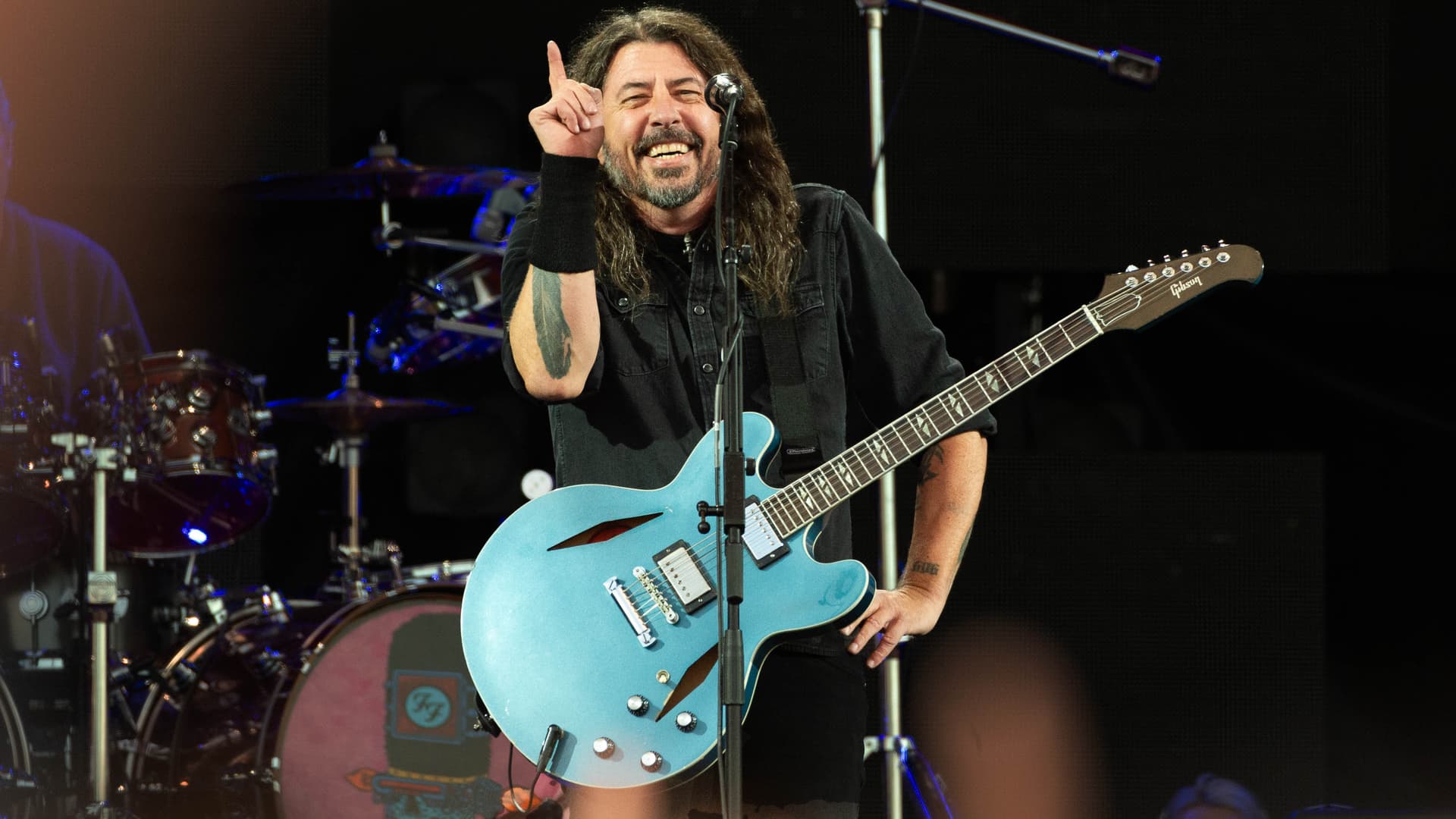
Accra drumming ban hits venues, tourism and cultural events
Accra’s month-long drumming ban cut into venue bookings and live events as Homowo rites tightened their grip on the city’s nightlife and cultural calendar.
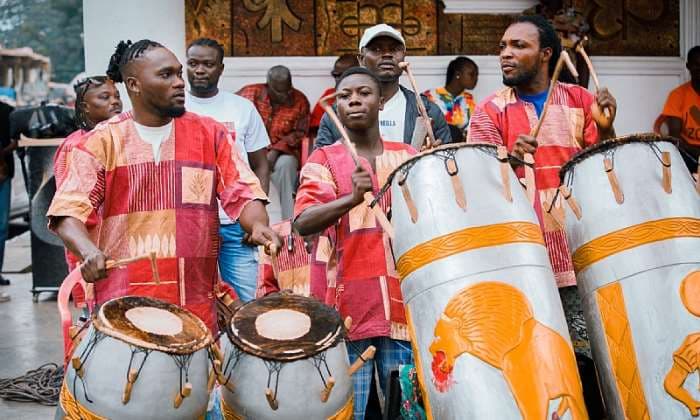
Accra’s annual drumming ban hit where the beat turns into a paycheck: at venues, event centres, churches, pubs and the working musicians who fill them. From May 4 to June 4, 2026, the Accra Metropolitan Assembly and the Ga Traditional Council enforced the restriction across the city, stalling live music, trimming bookings and putting a hard pause on the percussion-driven circuit that keeps much of the local entertainment economy moving.
The ban was tied to customary rites ahead of Homowo, the Ga festival whose observance has long carried both spiritual weight and public consequence. The Ga Traditional Council described the period as a sacred tradition meant to promote peace, solemnity and spiritual reflection, and the 2026 guidelines extended well beyond drums alone. Loudspeakers outside churches, mosques and pubs were covered, along with roadside preaching and evangelism, funeral rites and related activities, and the ordinary noise of public celebration that usually feeds Accra’s nighttime economy.
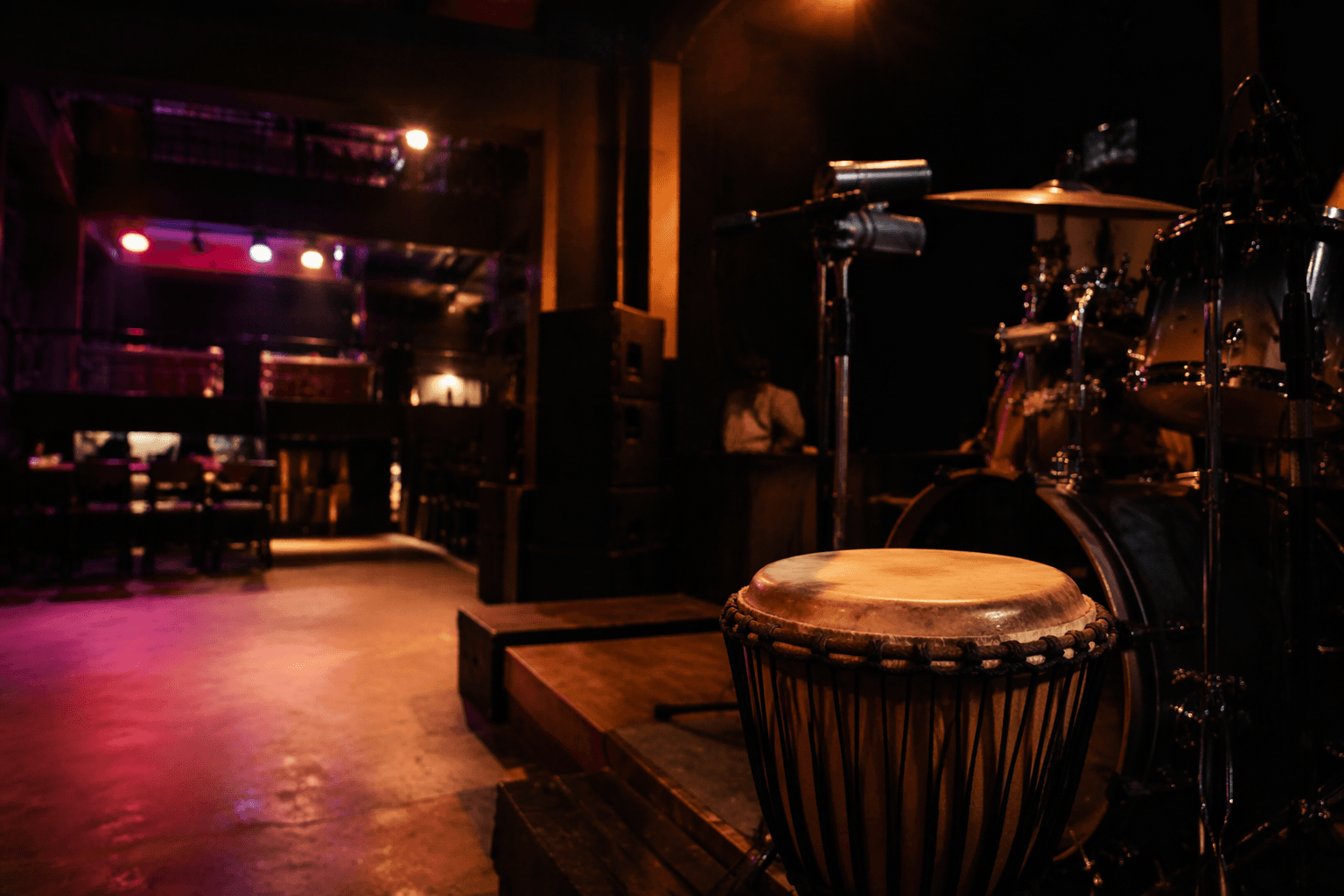
For venue operators and performers, the effect was immediate. Live bands, drummers and event crews lost momentum during a month that often requires flexible calendars and careful routing between weddings, funerals, church programs and cultural bookings. The silence also reached beyond the performance spaces themselves, with reports linking the ban to pressure on tourism and cultural activity in Accra, where the social life of music is part of the city’s draw as much as its formal event business.
The Greater Accra Regional Peace Council urged residents to comply fully with the 2026 ban, reinforcing the official position that the restriction should be observed across the capital. But the policy has also remained contentious. In 2025, the Ghana Pentecostal and Charismatic Council said some enforcement actors had harassed churches, entered church premises unlawfully and damaged musical instruments, and it called for stakeholder dialogue involving the Ministry of Chieftaincy and Religious Affairs and the National Peace Council.
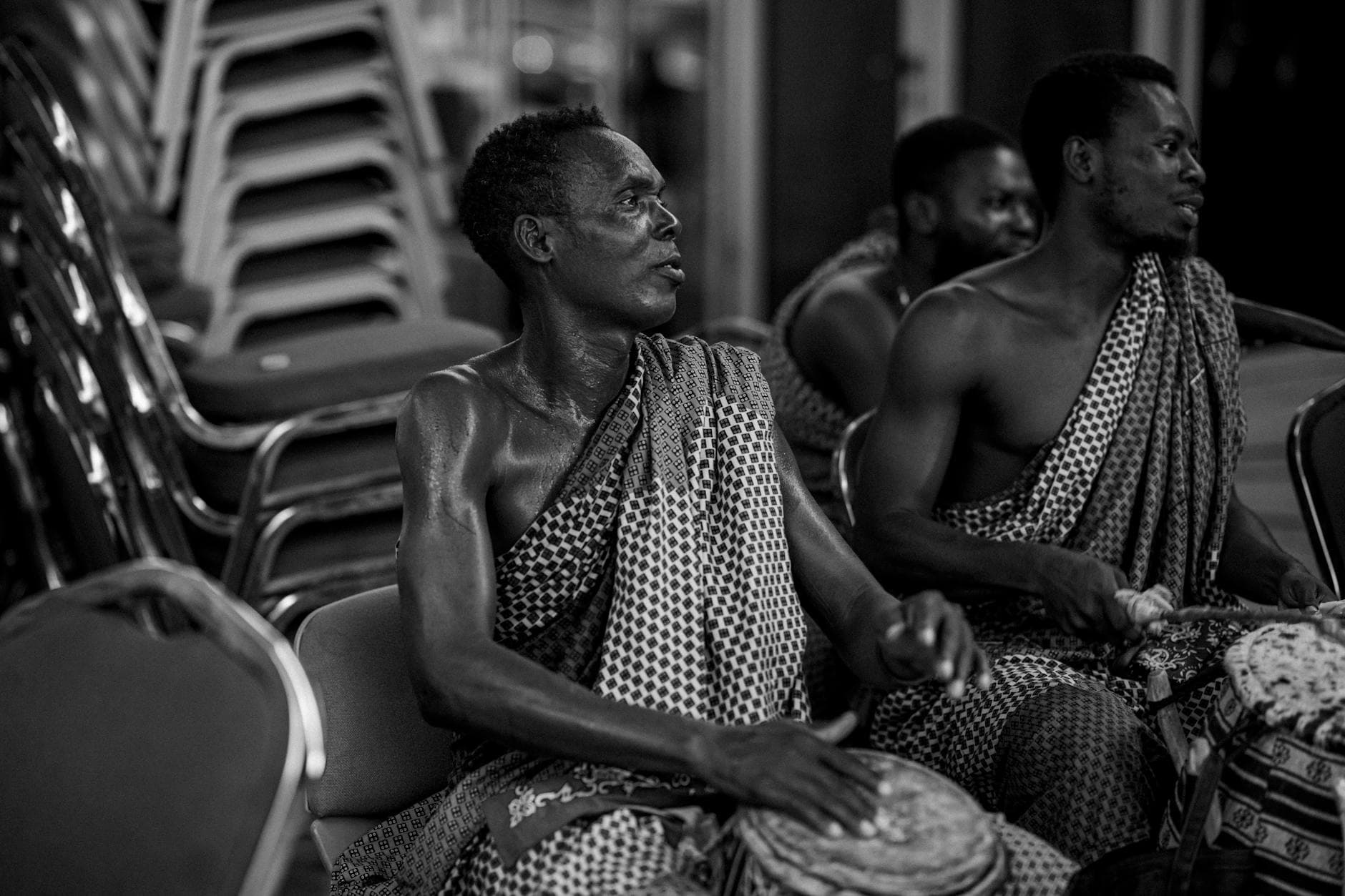
The dates themselves showed how the ban has shifted year to year, even as the practice stayed firmly in place: May 6 to June 6 in 2024, May 12 to June 12 in 2025, and May 4 to June 4 in 2026. The pattern was not limited to the Ga Traditional Area in Accra. The Osudoku Traditional Council in Greater Accra also ounced its own drumming and noisemaking ban in 2026, a reminder that the tension between sacred observance, regulation and the entertainment economy still runs far beyond one city block, and every year it asks Accra’s drummers to put their work on hold.
This article was produced by Prism’s automated news system from verified source data, official records, and press releases, then run through automated quality and moderation checks before publishing. The system is built and supervised by the people who set the standards it runs under. Read our full AI policy.
Know something we missed? Have a correction or additional information?
Submit a Tip