Carlos de la Garza says drummers hear songs differently in the studio
Carlos de la Garza's climb from punk kit to GRAMMY-winning producer shows how groove, arrangement sense and band empathy become studio leverage.
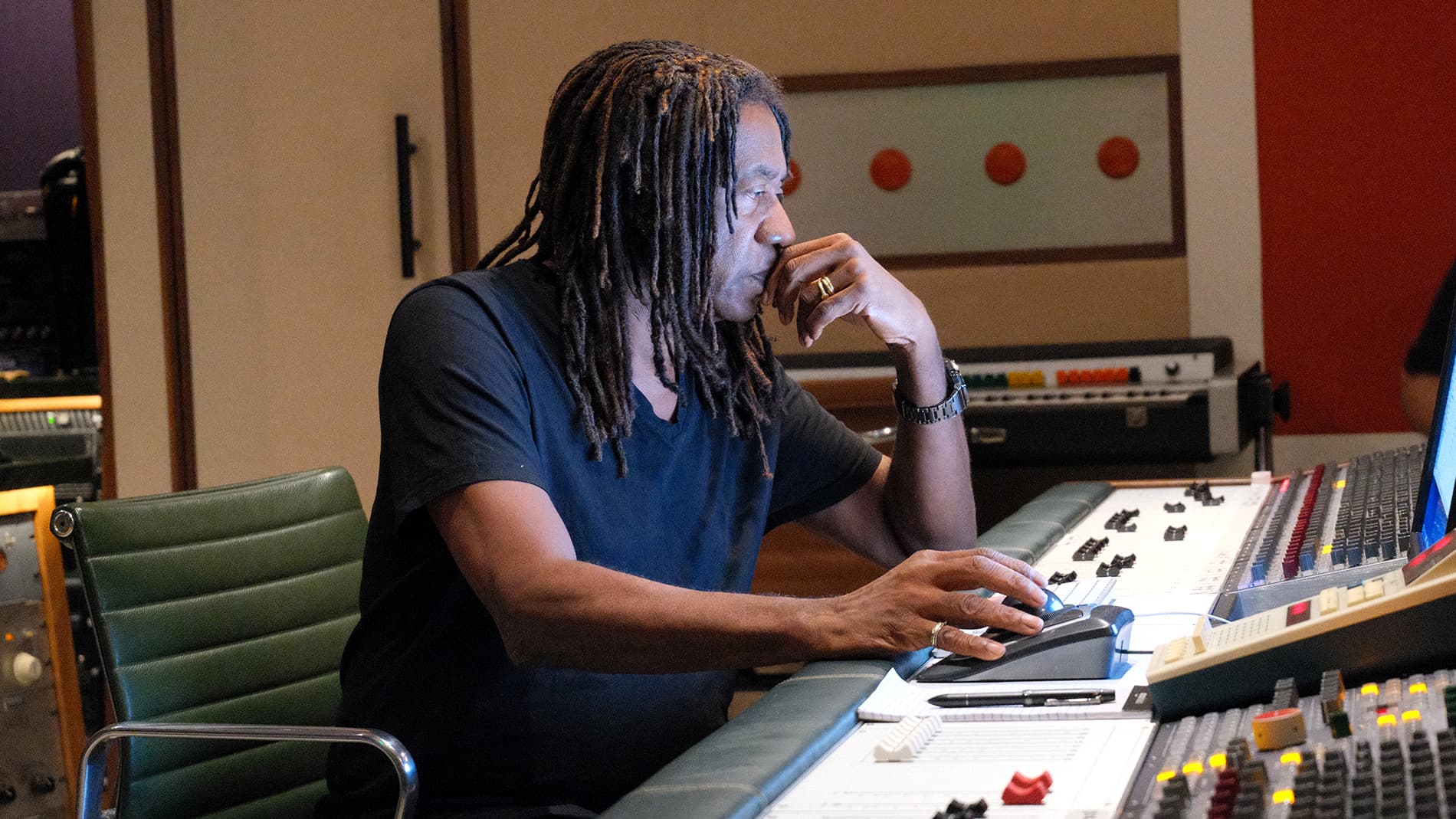
The drummer's edge in the control room
Carlos de la Garza built his reputation by hearing songs the way a drummer hears them first. He came out of Southern California’s DIY punk scene, played in high school bands, joined F.Y.P., and later toured with Reel Big Fish before moving deeper into production work in Los Angeles. That path matters because his career is built on a very specific drummer’s advantage: he listens for groove, pocket, kick placement, snare tone and cymbal texture as active parts of the arrangement, not just as backbeat decoration.
That way of hearing music is the real takeaway for working drummers. De la Garza’s background shows that the jump from kit to control room is not a leap away from drumming, but a move that uses the same instincts in a new setting. When a drummer understands how a part breathes inside a song, the next step is learning how to protect that feel while shaping a record around it.
From DIY rehearsals to studio credibility
De la Garza’s studio story starts small and hands-on. Universal Audio says he began with a skateboard, a Portastudio 424 and a Boss delay pedal, then worked as a runner at Capitol Records in Hollywood before becoming a full-time engineer. That sequence is a practical blueprint for any drummer who wants more than session dates: make noise at home, learn the tools, get into the room, and study how records are actually built.

That apprenticeship also explains why his producer identity carries weight. The Recording Academy describes him as a two-time GRAMMY winner, and GRAMMY.com lists him as the producer of Paramore’s This Is Why, which won Best Rock Album at the 66th Annual GRAMMY Awards. A drummer who learns the language of recording, engineering and arranging can move from keeping time to shaping the whole track, and de la Garza’s career shows how that credibility gets earned one session at a time.
What his credits say about drummer-to-producer instincts
De la Garza’s work with Paramore is the clearest example of long-term trust turning into larger creative responsibility. GRAMMY.com notes that he previously worked on the band’s self-titled album and After Laughter, and on Hayley Williams’ solo projects Petals for Armor and Flowers for Vases / descansos before reuniting with the band for This Is Why. That kind of repeat collaboration tells working drummers something important: producer opportunities often grow out of reliability, not just technical flash.
The same pattern shows up across the rest of his discography. MusicRadar’s coverage links him with artists from Paramore to Ziggy Marley, and more recent reporting says he has also worked with Death Cab for Cutie and The Linda Lindas. His career is not locked to one lane or one genre, which is exactly what makes his drummer background useful in the studio. A player who can adapt from punk to pop-punk to indie rock and beyond is usually already doing the mental work producers need: reading the room, adjusting the feel, and knowing when a part needs more air or more force.
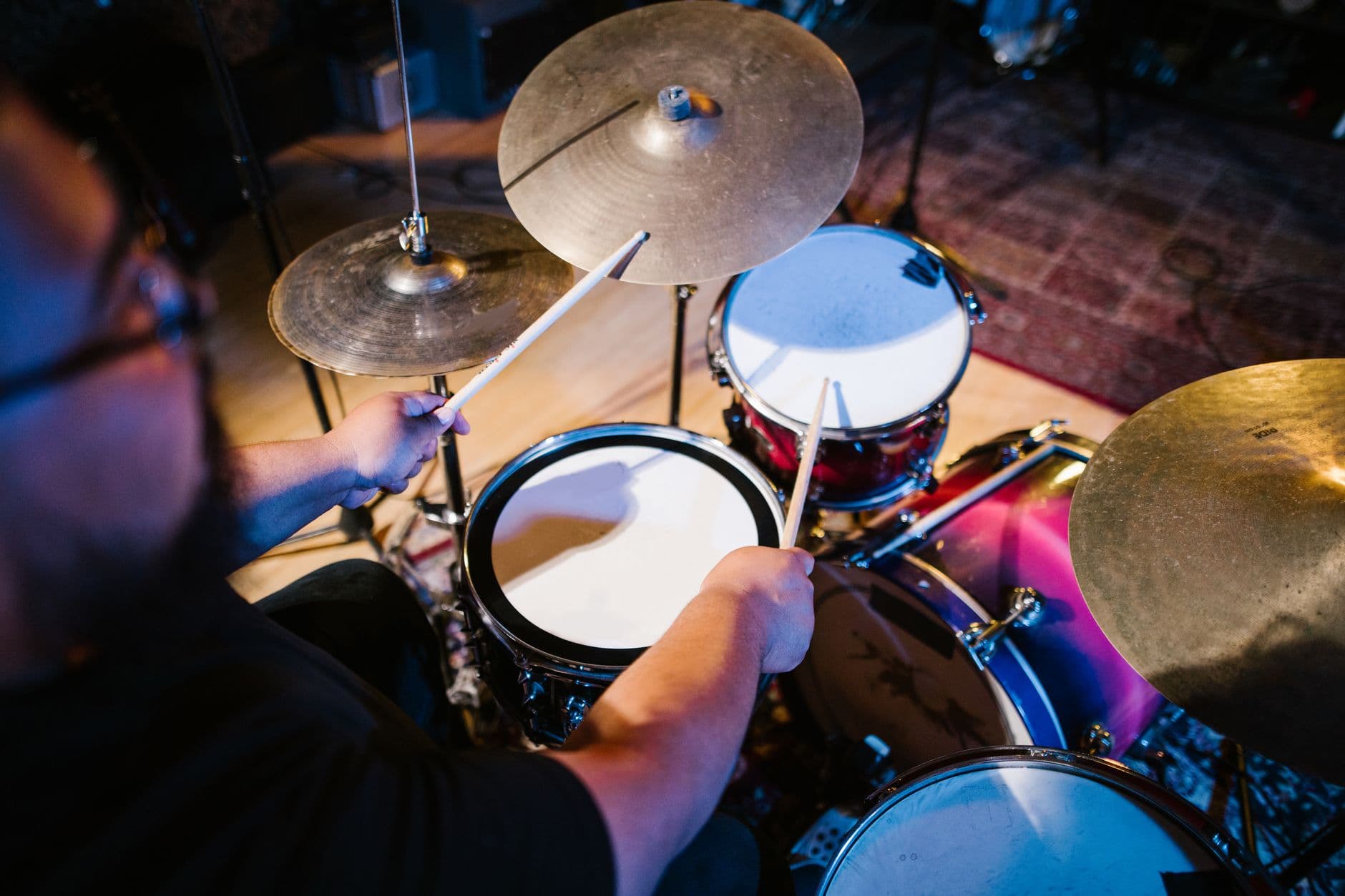
How drummers can turn kit instincts into producer opportunities
The most useful part of de la Garza’s career is not that he became a successful producer, but how clearly his drumming translated into studio value. If you are behind a kit now and want to move toward production, the lesson is to treat your drumming instincts as transferable skills, not as side information.
Start with arrangement sense. De la Garza’s background suggests that drummers are often the first people to notice when a chorus needs more lift, when a verse is carrying too much energy, or when a bridge needs a cleaner rhythmic shape. That awareness becomes valuable the moment you can explain it to a band in plain language and suggest a fix without killing the vibe.
Then lean into groove diagnosis. Drummers already think in terms of pocket, push and drag, so use that vocabulary when you are listening to takes. Ask what the kick is doing against the bass, whether the snare is sitting too far forward, and whether cymbal texture is opening the track up or muddying it. Those are not abstract engineering questions, they are rhythm decisions that can make or break a mix.
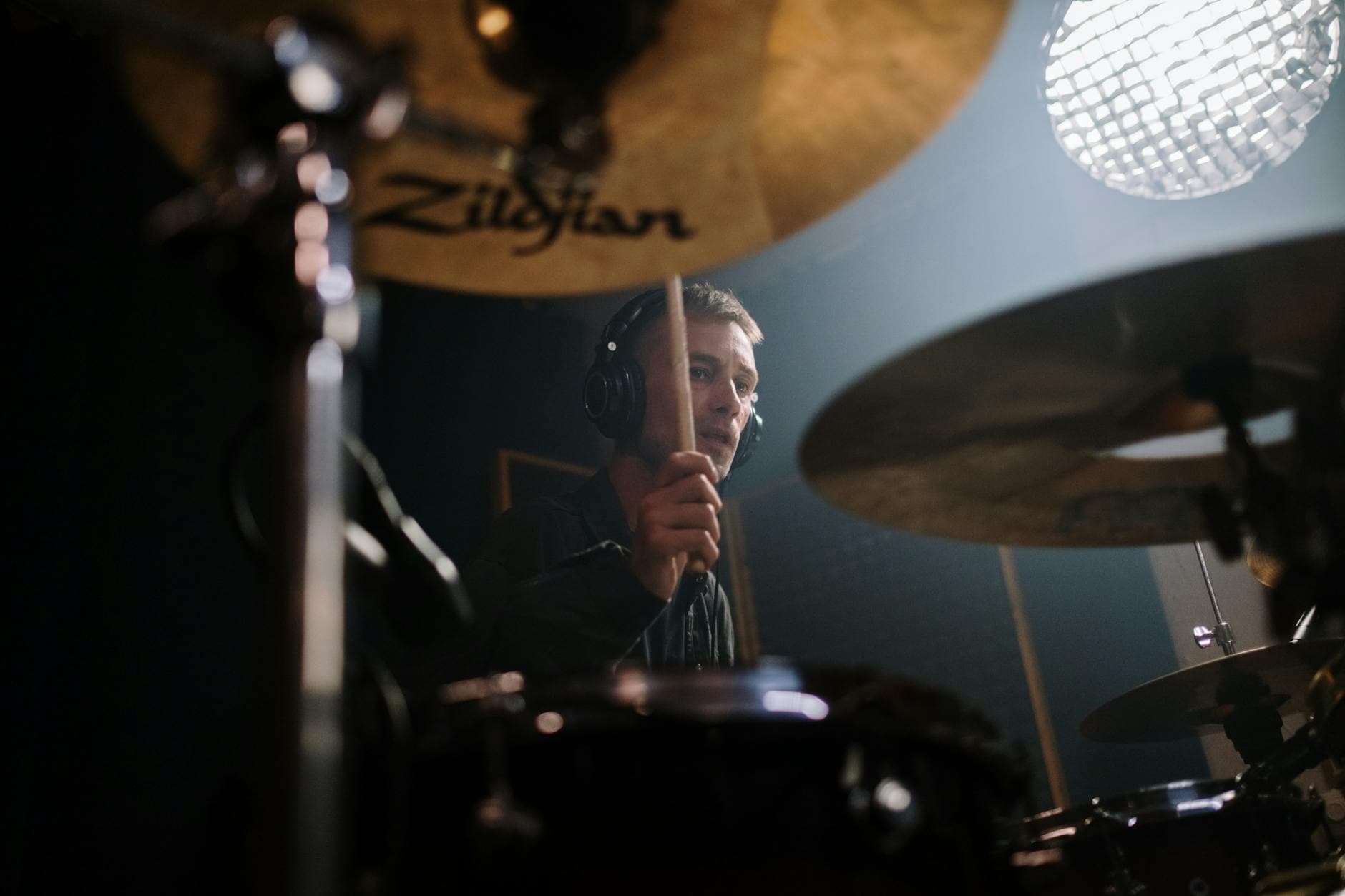
- Learn enough recording gear to capture ideas at home, even if it starts with a simple setup like a Portastudio-style workflow.
- Take runner, assistant or studio-support work when it opens the door to real sessions, the way de la Garza did at Capitol Records in Hollywood.
- Listen like a bandmate, not just a technician, so musicians feel that you understand the room, the song and the pressure of performance.
- Keep your playing identity broad enough to move between styles, since de la Garza’s credits range from punk roots to mainstream rock and indie work.
A drummer moving toward producing can also build trust the same way de la Garza did:
That approach also makes room for songwriting and publishing opportunities. De la Garza signed as a songwriter to Warner Chappell Publishing in 2024, which underlines a larger point about modern studio careers: producers who come from drumming often end up contributing beyond the kit because they already think in terms of form, feel and emotional pacing.
Why his path keeps resonating
De la Garza’s story lands because it refuses the old split between “player” and “producer.” He is still recognizable as a drummer at the core, even while working with Paramore, Death Cab for Cutie and The Linda Lindas, and that rhythm-first perspective is exactly what makes his records feel alive. For drummers who want a broader career, the point is not to leave the kit behind. It is to realize that the way you already hear a song can become your strongest production tool.
This article was produced by Prism’s automated news system from verified source data, official records, and press releases, then run through automated quality and moderation checks before publishing. The system is built and supervised by the people who set the standards it runs under. Read our full AI policy.
Know something we missed? Have a correction or additional information?
Submit a Tip