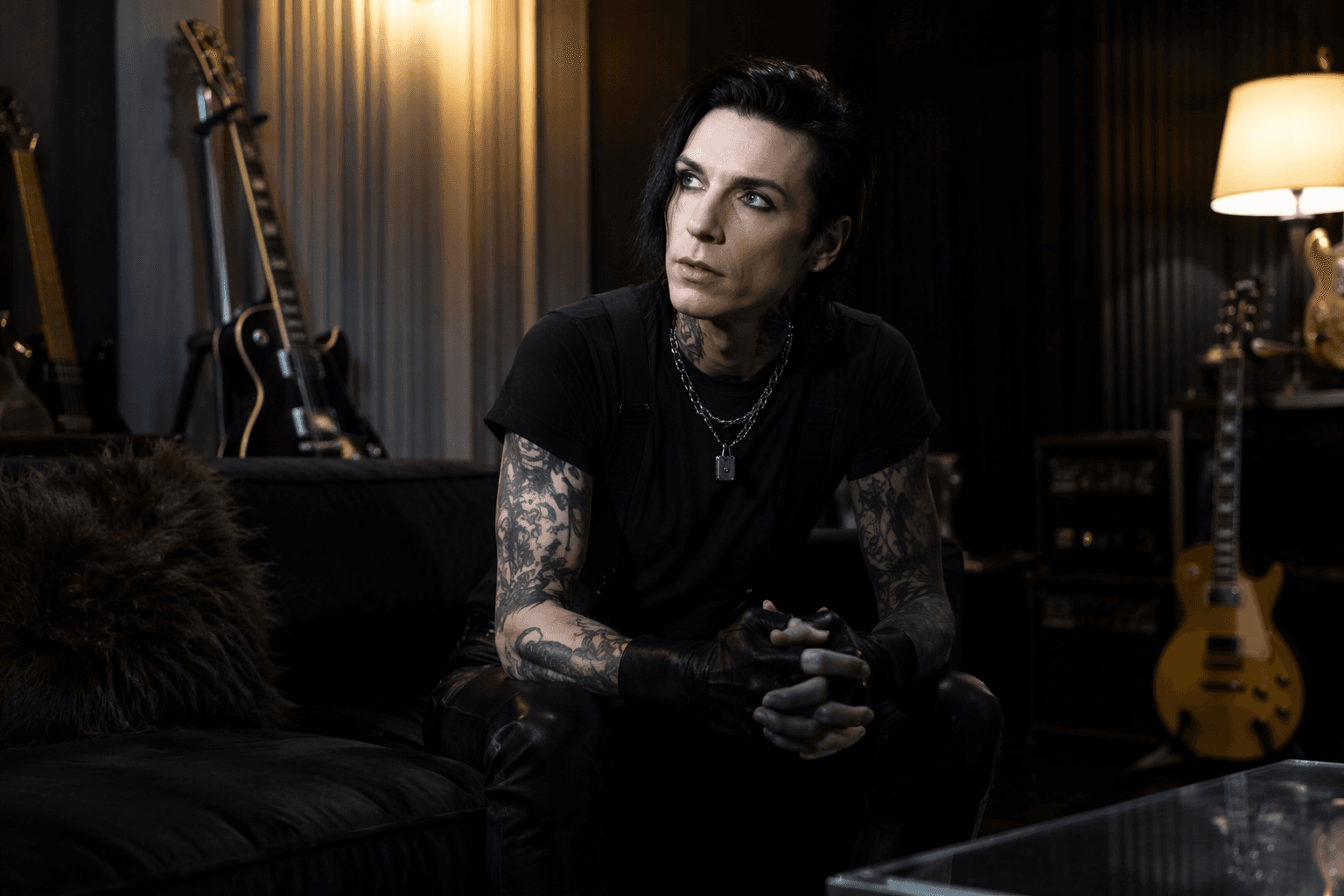
Dave Rowntree loses appeal over PRS black-box royalties case
Dave Rowntree’s appeal loss leaves PRS’s black-box payout system untouched, with about £200 million in unmatched royalties still split the current way.

The Court of Appeal has dismissed Dave Rowntree’s challenge to PRS for Music’s black-box royalties system, leaving the songwriter and publisher payout machinery unchanged after a fight over roughly £200 million in unmatched money.
Rowntree, best known as Blur’s drummer, had tried to push a class-action-style claim on behalf of about 160,000 songwriters. The case was brought as opt-out collective proceedings under section 47B of the Competition Act 1998, covering songwriter members of PRS between March 9, 2017 and the filing date. PRS’s claim notice put the action’s launch date at February 28, 2024.

The black-box pot is made up of royalties PRS cannot match to the right songwriter or publisher because the underlying information is missing or inaccurate. It typically distributes those royalties pro rata to writer and publisher members, rather than holding them for a later individual match. Its distribution policy calls for regular review by the society’s Distribution Committee to keep payments fair, efficient, transparent and accurate.
The Competition Appeal Tribunal had already struck out the case on August 27, 2025 after hearings on February 13 and June 16 that year. Lord Justice Miles, with Lord Justice Zacaroli and Lord Justice Nugee agreeing, upheld that ruling, finding there was no reasonably sustainable competition-law case that PRS’s pro rata approach was an abuse of dominance and no plausible alternative distribution method. The tribunal also found the proposed class was not individually owed those black-box royalties and that it was effectively suing itself.
If the claim had succeeded, it could have forced a different answer to a long-running question in UK music publishing: when royalty data goes missing, should unmatched money be spread across the membership pool or carved up in some other way? The tribunal said damages would be hard to pay without diverting money from members, and it rejected the idea that PRS was underpaying songwriters as a class simply because writers may be more likely than publishers to be affected by data errors.
PRS said the appeal ruling vindicated its position and that the claim had no reasonable prospect of success.
This article was produced by Prism’s automated news system from verified source data, official records, and press releases, then run through automated quality and moderation checks before publishing. The system is built and supervised by the people who set the standards it runs under. Read our full AI policy.
Did this article answer your question?