DCI tracker maps 2026 drum corps show reveals ahead of season
DCI’s reveal tracker turns preseason into a field map, with snake imagery, family game night, and machine-versus-individuality ideas already driving 2026 drum corps buzz.
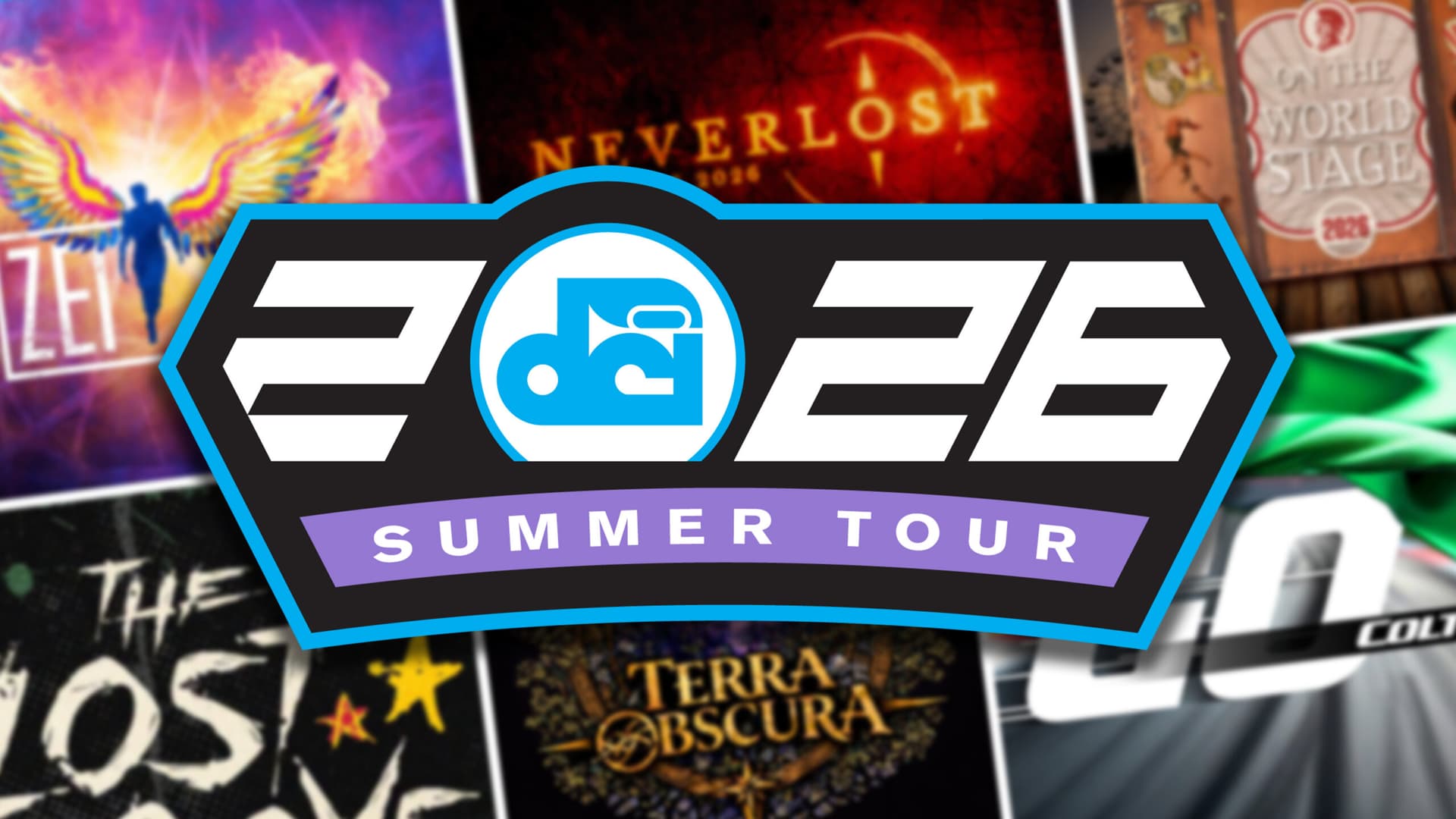
Drum Corps International’s show-reveal tracker turns the preseason into a living scorecard, collecting confirmed productions and the narrative language around them before the first competitive step-off. For percussion fans, the value is immediate: titles like Venomorphosis, Around the Table, and Someday I Might are already hinting at the kind of drum writing, front-ensemble color, and show identity that could define the summer.
A preseason map, not just a list
The tracker does more than line up names. It pulls together corps statements and explainer pieces so the early reveal season reads like a map of what each production is trying to say, from Troopers’ Into Darkness to Music City’s Venomorphosis, Impulse’s Around the Table, Northern Lights’ Someday I Might, Hawthorne Caballeros’ Entwine, and Reading Buccaneers’ Simplexity. That spread alone tells you the season will not be driven by one dominant style or one shared visual language.
That matters in drum corps because the title is often the first clue to the musical architecture underneath. A concept built around darkness, transformation, family games, or machine logic usually comes with different expectations for battery pacing, front-ensemble palette, and how a corps wants to shape audience reaction over nine minutes.
The concepts with the clearest percussion identity
Music City’s Venomorphosis is one of the most legible early reveals for drummers. Announced in late November 2025, the show is built around change, evolution, venom, molting, and shedding what no longer serves a purpose. The corps says it will “get bit by change” and evolve across the nine minutes of the show, using snake imagery, evolving uniforms and props, original music, and selections by Sleep Token and Gotye, including “Somebody That I Used to Know.”
That kind of concept usually signals more than just visual theater. It opens the door to gradual musical mutation, shifting orchestration, and a drum book that can move from tension to release without losing the thread of transformation. It is the sort of title that invites fans to listen for the mechanics of change as much as the final form.
Impulse’s Around the Table feels almost deliberately accessible, but that does not make it simple. Built around board games and family game night, the production moves from competition to fracture and apology, then to community and family. Peter Connel’s framing gives the show a clear emotional path, which is often where the most effective drum writing finds its shape: pulse, interruption, argument, and finally resolution.
For audiences, that kind of arc is easy to read. For performers, it can create a show where rhythmic rivalry, ensemble interplay, and character shifts have to land cleanly enough for the story to feel like it is unfolding in real time.
Northern Lights’ Someday I Might pushes in a different direction, pulling inspiration from Billie Eilish’s “What Was I Made For?” and building around the engineering acronym POSIWID. The show uses music by Billie Eilish, Muse, Audiomachine, and Saint-Saëns, which already suggests a wide sonic range, from modern pop introspection to symphonic intensity and cinematic lift.

That combination points toward one of the more interesting percussion conversations of the preseason: how a concept about machine logic and individuality gets translated into contrast on the field. If the book leans into precision, repetition, and mechanical motion, the front ensemble can become the place where the human edge breaks through.
The rest of the tracker matters too
The bigger tracker is important precisely because it includes shows that are still only beginning to reveal themselves. Troopers’ Into Darkness, Hawthorne Caballeros’ Entwine, and Reading Buccaneers’ Simplexity each suggest a distinct design direction, whether that is shadow, interlacing ideas, or abstract complexity. Even without full program details, those titles tell fans where the conversation may be heading.
That is useful in a community where show titles and production themes shape early debate almost as much as performance clips do. The tracker lets fans spot which corps are leaning into transformation, which are reaching for memory or legacy, and which are building more conceptual narratives that may take a few rehearsals to fully click.
The season frame makes every reveal matter more
The reveal tracker also lands inside a busy 2026 DCI schedule. The summer tour runs from June 26 to August 8, spans more than 75 events across more than 30 states, and ends with the DCI World Championships in Indianapolis from August 3-8. DCI says the schedule was built around the needs and preferences of participating corps, members, and supporters, and some marquee ticket sales opened alongside the schedule release.
Opening weekend gives the reveal season a practical endpoint. The first World Class competitive event is June 27’s Drums Along the Rockies in Fort Collins, Colorado, with Blue Devils, Phantom Regiment, Troopers, Blue Knights, and Genesis in the lineup. That is the first real checkpoint for fans trying to match preseason concepts to on-field execution.
The 2025 finals give the coming season even more context. Boston Crusaders won the World Championship Finals with a 98.425, Bluecoats were second at 98.250, and Santa Clara Vanguard finished third at 96.700. Blue Devils, Carolina Crown, Phantom Regiment, Mandarins, Blue Stars, The Cavaliers, Troopers, Colts, and Blue Knights filled out the rest of the championship order, a reminder that this season begins with a clear target on the top of the field.
That is why the tracker matters now. Before the first note in Fort Collins, it already turns titles into clues and clues into a readable map of the summer ahead.
This article was produced by Prism’s automated news system from verified source data, official records, and press releases, then run through automated quality and moderation checks before publishing. The system is built and supervised by the people who set the standards it runs under. Read our full AI policy.
Did this article answer your question?