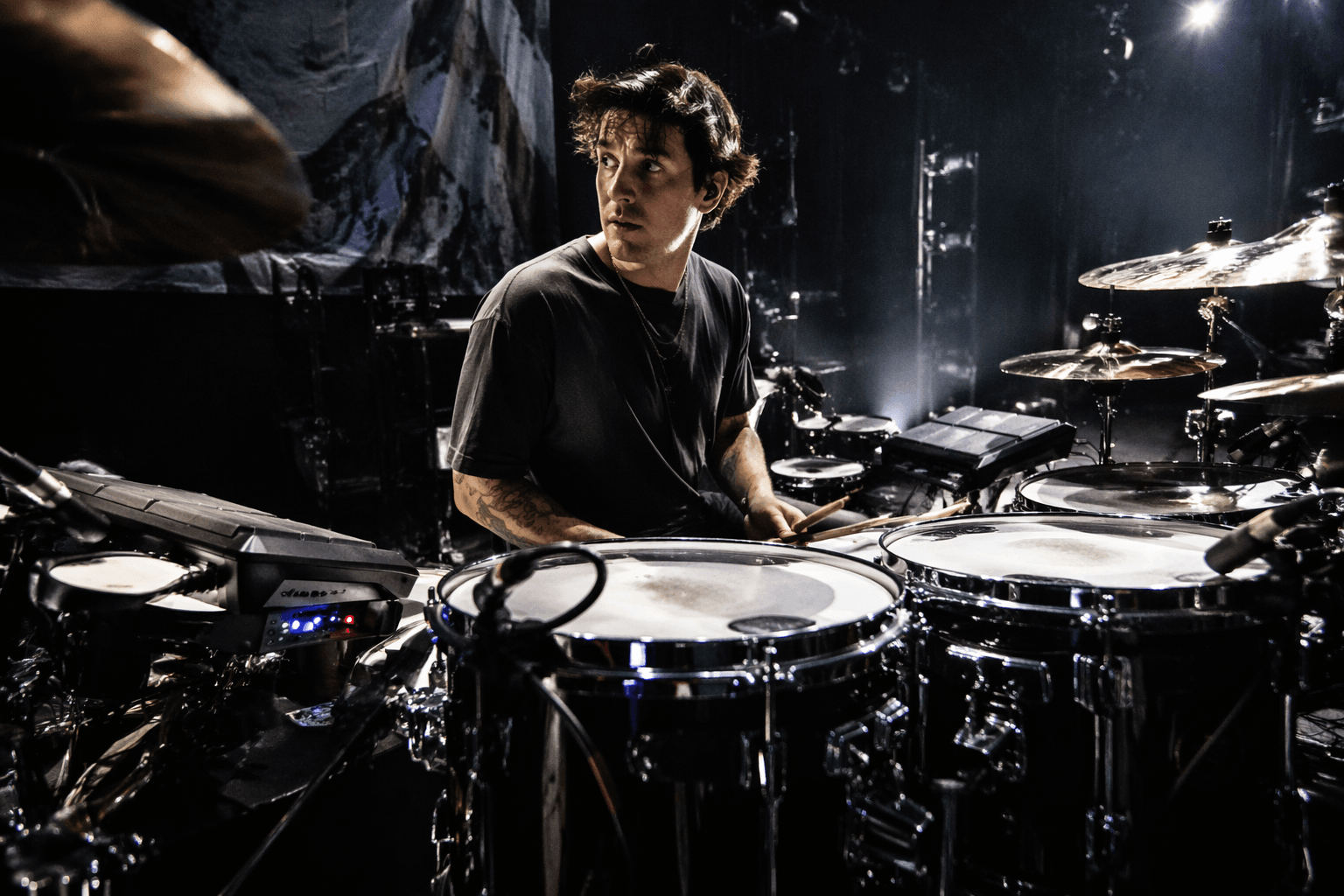
Georgia drummer Jason Barnes returns after accident, sets record with prosthetic
Jason Barnes turned a life-changing arm injury into a record: 2,400 drumbeats in a minute, powered by a prosthetic arm, EMG sensors and a second stick that improvises.
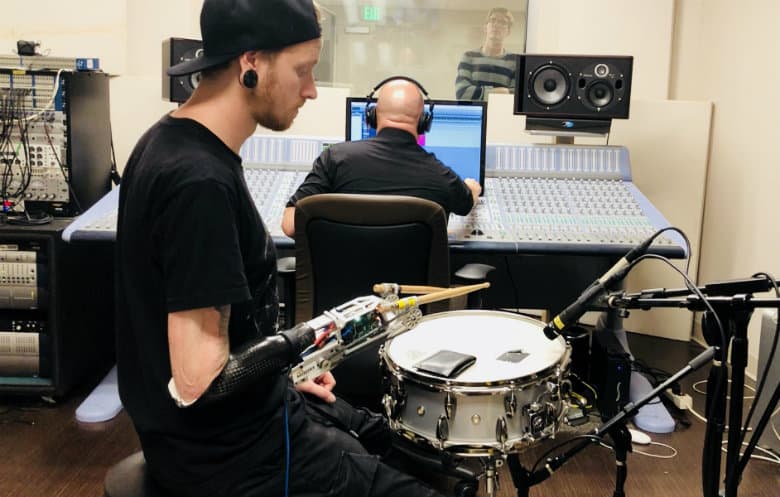
Jason Barnes did not return to drumming with a simple replacement arm. He came back with a prosthetic system built to read muscle activity, translate motion into play, and push him all the way to a Guinness World Record of 2,400 drumbeats in one minute.
The June 18 CBS Mornings segment put that engineering front and center, showing how Barnes, a Georgia drummer who lost part of his right arm in an accident, rebuilt his way back to elite-level performance. The point was not just that Barnes plays again. It was that the setup changed what playing could look like for an amputee drummer, and what high-level assistive music tech can do when it is built around the instrument instead of around sympathy.
Barnes set the record on July 25, 2018, at Georgia Tech in Atlanta, using a drumstick prosthetic created by Gil Weinberg. Guinness World Records said Barnes wore an electromyographic band that sensed muscle activity from his forearm, and that the prosthetic was triggered by the sensor. The record entry was later published online on September 10, 2019.
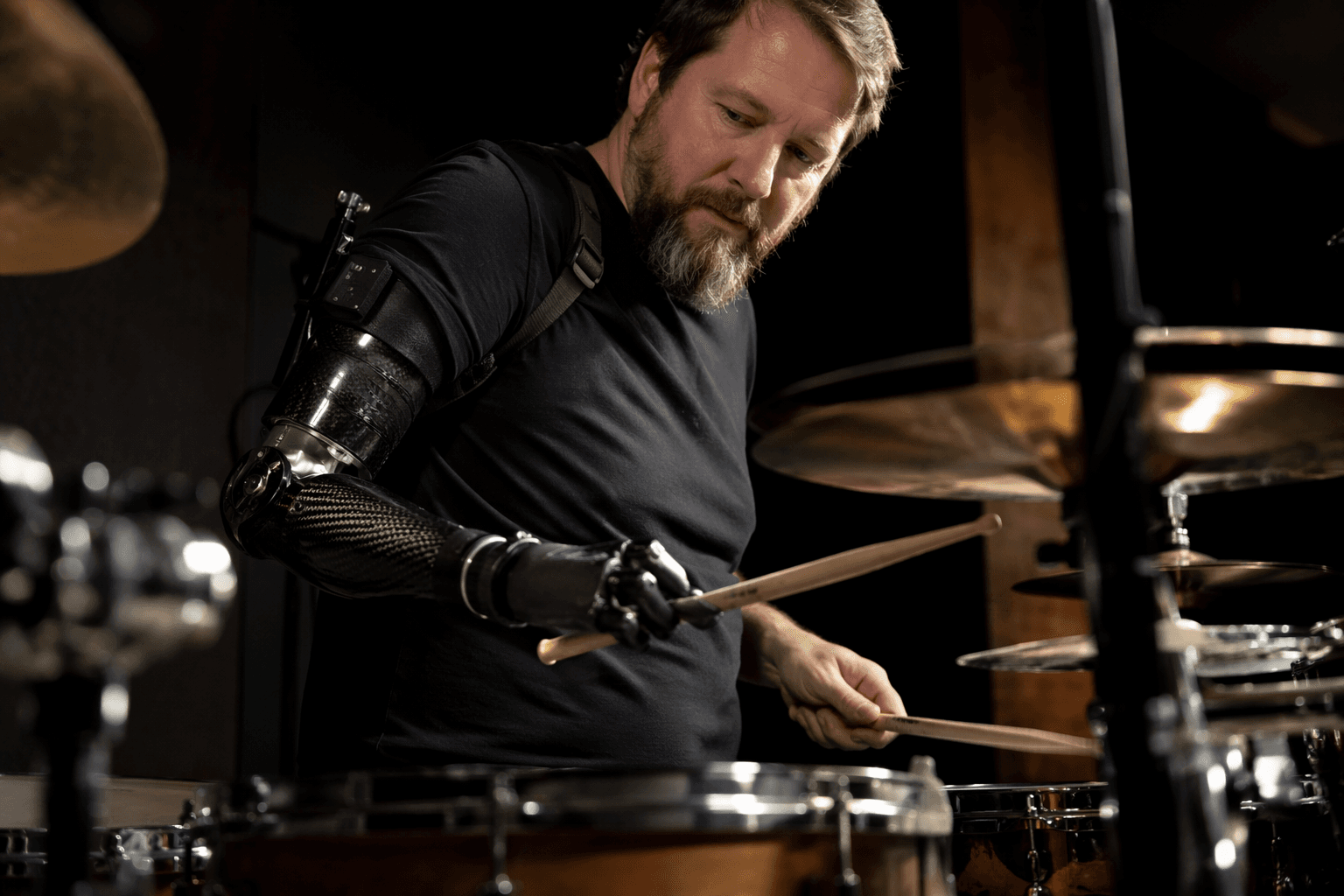
The mechanics matter for drummers. Georgia Tech’s Center for Music Technology says the robotic drumming prosthesis uses two drumsticks: one is controlled by the musician’s arm and EMG sensors, while a second stick listens and improvises with the player. That makes the setup more than a static replacement limb. It is a responsive performance tool, designed to keep up with time, accent, and feel on a real kit.
Barnes had been working with Weinberg since 2013, and the collaboration began after Barnes was electrocuted and lost his right arm below the elbow. Georgia Tech said Barnes’ first self-built prosthetic was not flexible enough to give him wrist or finger control, which limited speed and bounce. The later version, built with Weinberg’s team, gave Barnes a different kind of rebound and control, turning the kit into a place for adaptation rather than compromise.
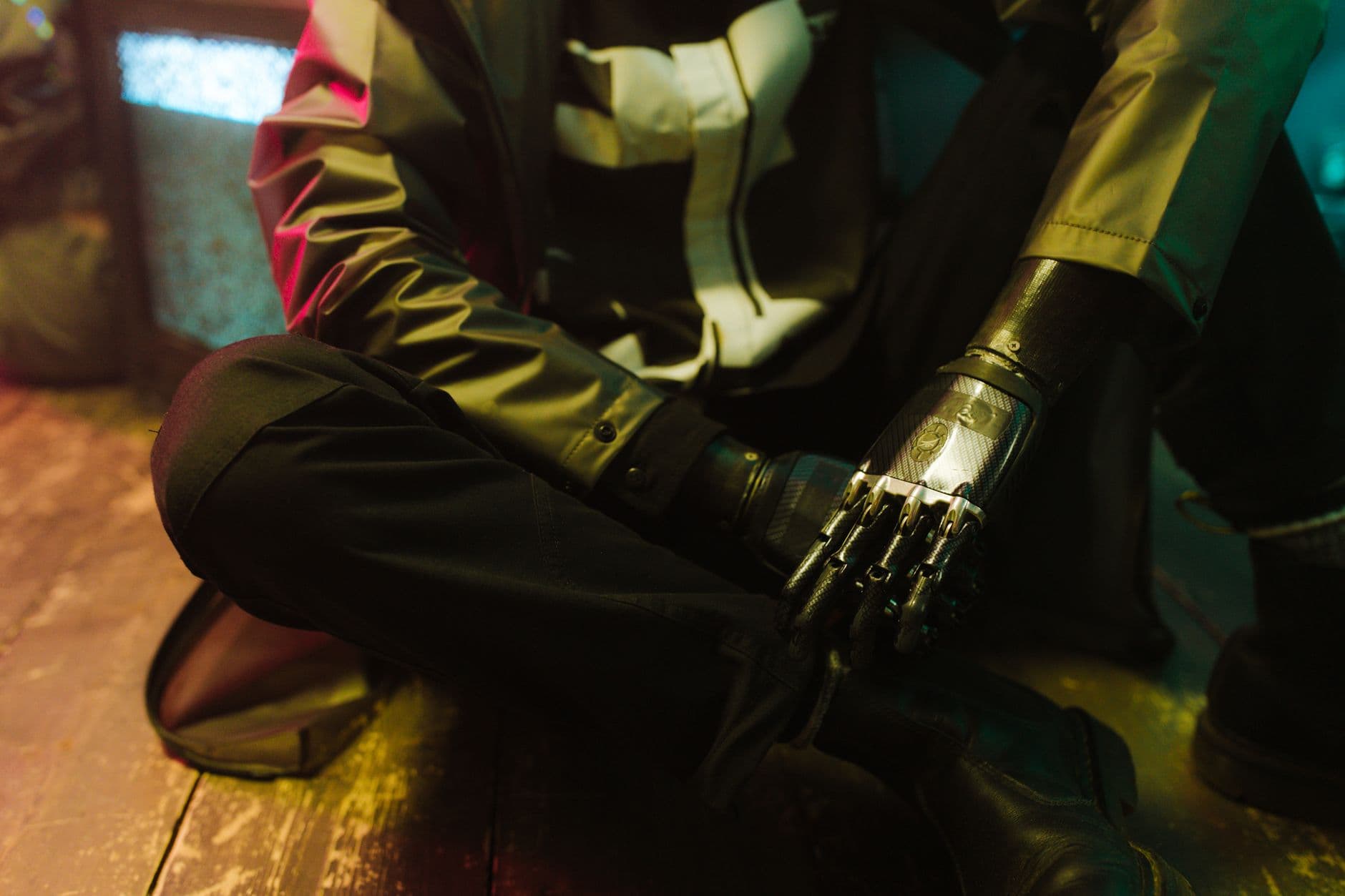
MusicRadar has reported that Barnes can play at speeds of up to 20 hits per second, and that the prosthesis opened doors he had never imagined. That is the real breakthrough for drummers watching this story: not just that Barnes endured, but that the technology let him expand what was possible at the instrument.
Barnes’ return shows how a prosthetic can become part of the musical vocabulary itself. On a kit, where speed, touch and response decide everything, his setup was not a novelty. It was a working piece of performance engineering, and it changed the ceiling on what one drummer could do with one arm and a lot of invention.
This article was produced by Prism’s automated news system from verified source data, official records, and press releases, then run through automated quality and moderation checks before publishing. The system is built and supervised by the people who set the standards it runs under. Read our full AI policy.
Did this article answer your question?