How Dave Grohl’s groove changed Nirvana and Smells Like Teen Spirit
Dave Grohl’s arrival turned a good Nirvana song into a drum statement. The part on “Smells Like Teen Spirit” sounds simple, but its power lives in timing, feel, and restraint.
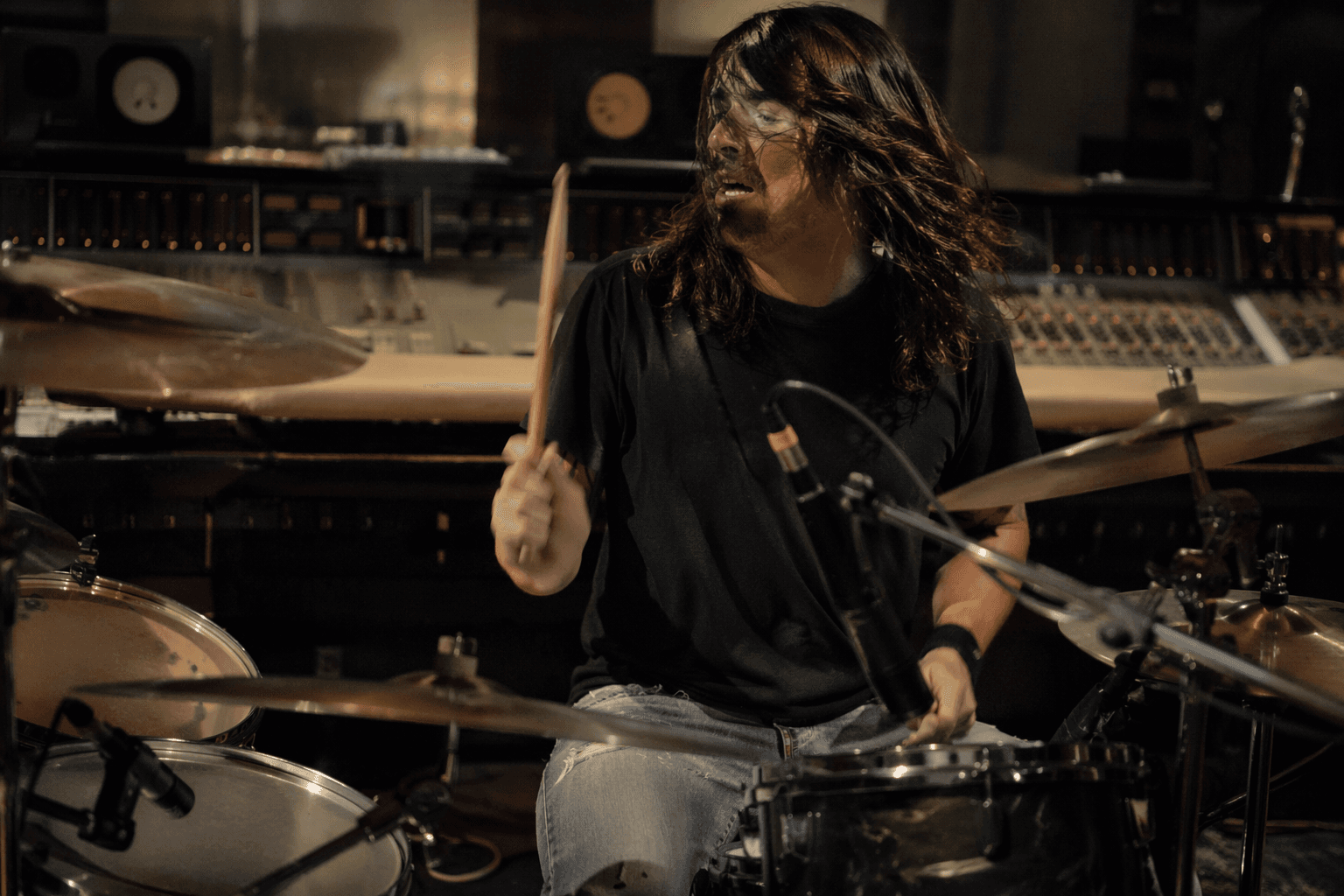
On September 25, 1990, Dave Grohl successfully auditioned for Nirvana after Chad Channing was out and after a Smart Studios session in Madison had already hinted at a bigger future. On “Smells Like Teen Spirit,” the famous drum part helped drag Nirvana into a different era.
The substitution that changed the band
The story starts at Smart Studios in Madison, Wisconsin, during the April 2 to 6, 1990 sessions with Butch Vig. At that point, Nirvana was still working with Chad Channing, and those recordings were being considered for release as either an EP or a full-length album. When Channing left, Kurt Cobain and Krist Novoselic set the project aside. The material was already strong enough to attract interest, but the lineup was not settled enough to carry it forward cleanly.
The Smart Sessions generated enough attention to help push Nirvana away from the Sub Pop lane and toward Geffen and DGC Records, and the band’s next drummer had to be able to stand inside that jump without sounding tentative. The song that eventually became the opening track on Nevermind was shaped by that transition as much as by the riff itself.
Why Grohl fit immediately
Dave Grohl was available because Scream had broken up, and Buzz Osborne of the Melvins connected him to Cobain and Novoselic. Grohl had already impressed them with the way he attacked the kit in Scream. He arrived with a hard, decisive touch, which is exactly the kind of energy Nirvana needed when the band was trying to turn raw material into something that could survive a major-label debut.
Before that, Dan Peters had briefly handled drums for Nirvana and played on the single “Sliver,” which shows how unsettled the seat still was.
How the groove works when you strip the anthem away
If you break the part down measure by measure, the first thing that jumps out is how little it asks for on paper. The famous opening does not rely on a heap of notes. It relies on a fill that lands with total conviction, then a groove that stays dead steady underneath Cobain’s vocal and the guitar’s blunt force.
That steadiness is the trap for anyone trying to play it. The part sounds easy because it is not cluttered, but the challenge is in making every backbeat hit with the same weight and leaving enough air around it for the song to breathe. Grohl’s touch gives the riff room to sound bigger than it is, and that is why copycat versions often fall apart. They get the notes right and miss the feeling that the drums are holding the whole thing together from underneath.
The chorus works the same way. Grohl does not over-decorate the lift. He lets the arrangement widen while keeping his own attack consistent, which makes the song feel like it is exploding even though the drum part itself stays disciplined.
There is also a rhythmic backstory that makes the part even more interesting. Grohl has spoken about disco and funk influences behind the drum part, and later commentary drew a line between the opening fill in “Teen Spirit” and the Gap Band’s “Burn Rubber.” It explains why it feels so physical. The part swings with a dancer’s sense of pulse while still hitting like a sledgehammer.
What to copy if you want it to sound right
The easiest mistake is to treat “Smells Like Teen Spirit” like a beginner pattern. The notes are not the point. The point is how Grohl keeps the whole part locked to the band’s center of gravity.
- Keep the opening fill punchy and decisive. It has to announce the song, not warm it up.
- Sit on the backbeat. The snare is not there to decorate the riff, it is there to pin the whole thing down.
- Hold your dynamics steady. The groove works because Grohl does not chase extra motion every time the arrangement opens up.
- Think in terms of attack, not flash. Grohl’s power on this track comes from commitment to each stroke, not from filling every gap.
- Borrow the pocket, not just the surface. The disco and funk references matter because they point to feel, not licks.
Why the drum part became history
“Smells Like Teen Spirit” came out as a single on September 10, 1991, then opened Nevermind when the album arrived on September 24, 1991. That record was Nirvana’s major-label debut and Grohl’s first Nirvana album, which makes the drum performance part of a much larger shift in the band’s identity. Nevermind went on to sell more than 30 million copies worldwide and was certified 13x platinum in the U.S. in 2024.
This article was produced by Prism’s automated news system from verified source data, official records, and press releases, then run through automated quality and moderation checks before publishing. The system is built and supervised by the people who set the standards it runs under. Read our full AI policy.
Did this article answer your question?