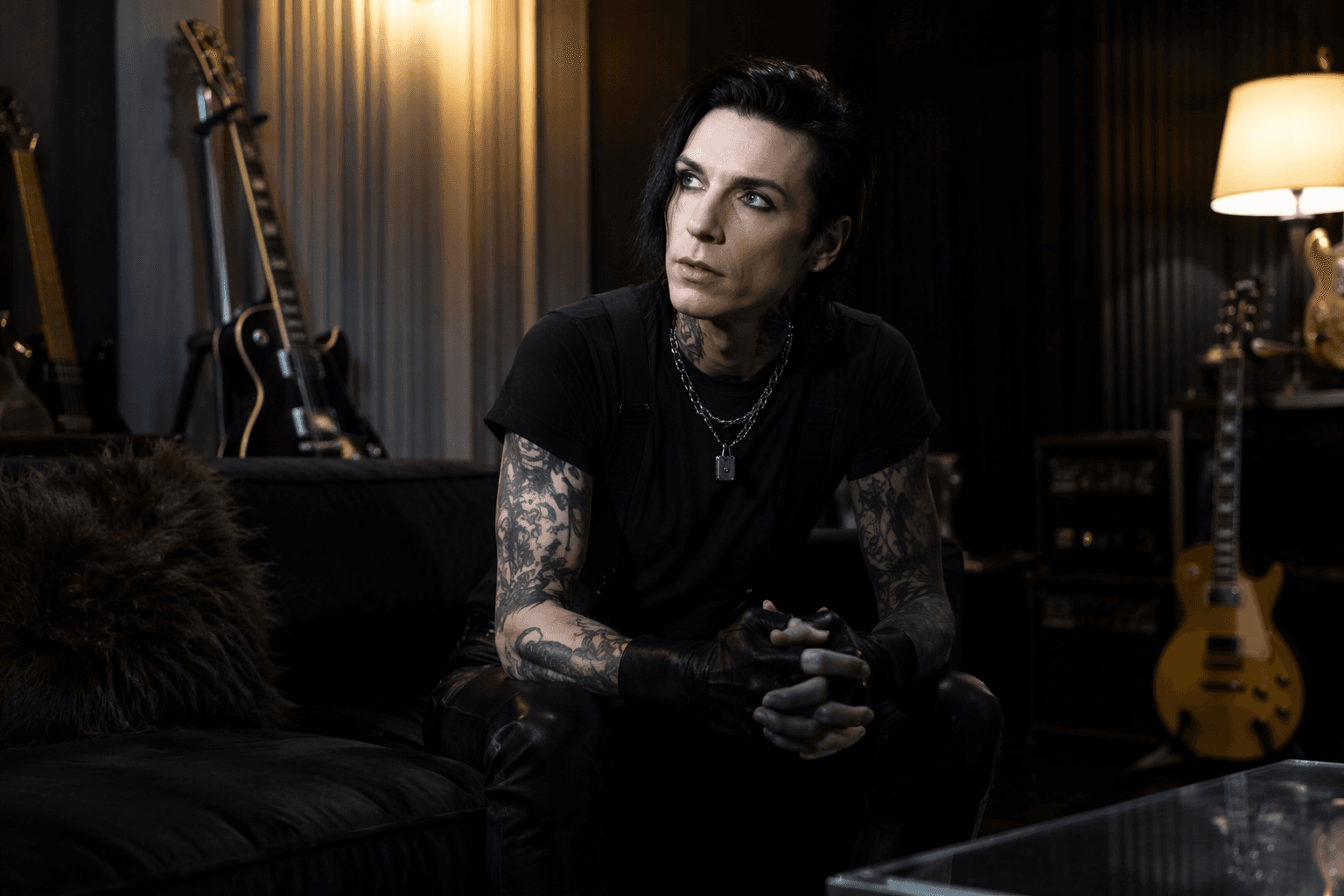
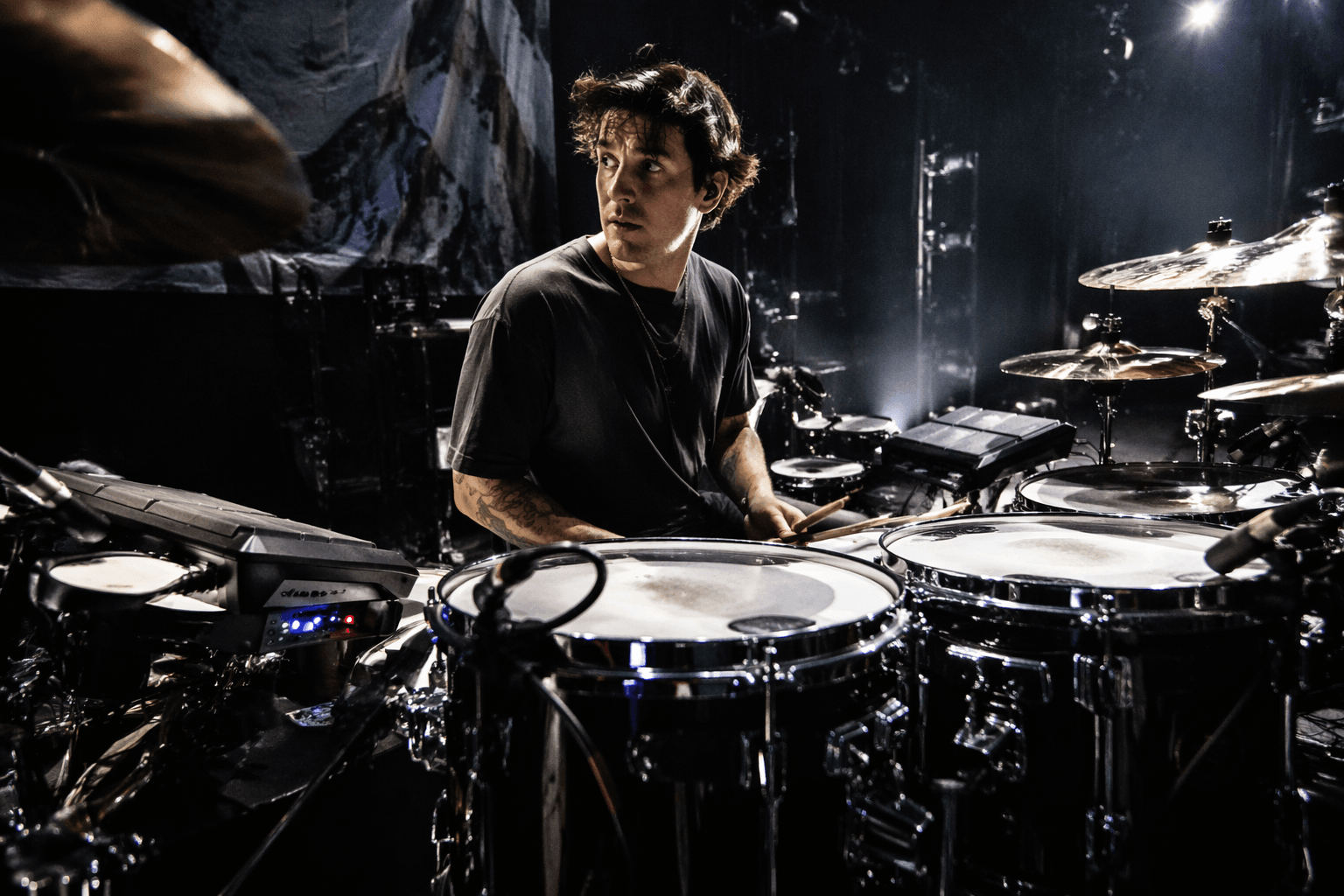
Ilan Rubin explains how adaptability landed him the Foo Fighters drum chair
Ilan Rubin’s Foo Fighters move shows how elite drum chairs are won by timing, trust and adaptability. His path from Nine Inch Nails is a practical blueprint for working drummers.
Ilan Rubin did not land the Foo Fighters seat by freezing himself into one identity. He moved like a drummer who understood the job market: stay adaptable, stay professional, and be ready when the next call comes. The June 24 episode 101 of Go With Elmo Lovano framed that mindset clearly, with Elmo Lovano describing Rubin as someone he has known since their early teen and even pre-teen drumming years.
The habits that travel from gig to gig
Rubin’s value is bigger than raw chops, and that is the first lesson buried in this story. Podcast listings identified him as Foo Fighters’ new drummer and Nine Inch Nails’ longest-running drummer, with a 17-year run that gave him the kind of credibility most touring players spend their whole careers chasing. That kind of résumé does not happen by accident: it comes from showing up prepared, fitting into different rooms, and making hard transitions look routine.
The interview’s real appeal is that it sounds like a peer conversation, not a glossy press stop. Lovano and Rubin go way back, and that shared history gives Rubin’s answers more weight because the conversation comes from two drummers who watched each other develop over time. For working players, that is the subtext that matters most: relationships are part of the instrument.
How the Foo Fighters chair opened
The path into Foo Fighters was shaped as much by scheduling and band logistics as by musicianship. Josh Freese said in May 2025 that Foo Fighters had decided to “go in a different direction with their drummer,” and no reason was given. Freese had joined the band in 2023 after Taylor Hawkins died in March 2022, which made the next personnel move feel especially loaded for a band still managing a painful post-Hawkins era.
That context matters because it shows how rarely these switches are simple. Rubin was not stepping into a vacuum, he was entering a live, high-pressure band environment with fan scrutiny, legacy expectations and a real touring calendar attached to it. The story also notes that Foo Fighters were working around overseas dates and studio work, which makes the transition feel less like a symbolic handoff and more like a functioning solution.
A mirrored swap with Nine Inch Nails
The strange symmetry is what made the story jump out across the drumming world. After the Foo Fighters switch, Freese returned to Nine Inch Nails in 2025, creating a mirrored drummer swap between the two bands. That kind of clean crossover is unusual in rock, especially between two groups with such distinct identities and such serious touring histories.
Rubin himself later described the Foo Fighters and Nine Inch Nails exchange as “an obvious great fit.” That phrasing says a lot about how these chairs are actually won: not by drama, but by mutual recognition. In elite circles, the right drummer is often the one who can fit the band’s needs immediately, without forcing a long adjustment period.
What the first Foo Fighters show signaled
Rubin’s live debut with Foo Fighters gave the handoff a face and a room. Reports in September 2025 said he first played with the band at a surprise show in San Luis Obispo, California, at the 900-capacity Fremont Theater, during Foo Fighters’ first show of 2025. Dave Grohl introduced Rubin from the stage and praised him as the band’s new drummer, which made the endorsement unmistakable.
That first gig also changed the story from rumor to reality. Rubin later said he had been taken aback by all the positivity and support after the show, which fits the way the band framed the transition in public: not as a cold replacement, but as a confident internal fit. For drummers watching from the outside, that is the clearest sign that a major seat has been won the right way.
Why Rubin’s résumé translates
Rubin’s career matters because it has already crossed scenes. Coverage has placed him as a key figure not only in Nine Inch Nails, but also in Angels & Airwaves and Paramore, which means his name travels well beyond one fan base. Management and profile materials also describe him as a multi-instrumentalist and note that he was the youngest person inducted into the Rock & Roll Hall of Fame, another marker of how early he entered elite company.
That combination is important for modern gigging players. A drummer who can move between industrial precision, arena rock, and pop-punk-adjacent contexts proves more than technical control, he proves range, tempo discipline, and the social skill to walk into a new situation without friction. Rubin’s path shows why touring leaders pay attention to players who can handle the part and the people around it.
The playbook behind the chair
The useful lesson here is not that one famous drummer replaced another. It is that the biggest rock jobs often go to the people who can absorb pressure, change rooms quickly, and keep the music moving when the calendar shifts. Rubin’s 17 years at Nine Inch Nails, his earlier work with Angels & Airwaves and Paramore, and his reputation as a multi-instrumentalist all point to the same trait: he is built for movement.
That is what makes his Foo Fighters move feel so clean. The opening was created by a band needing continuity, the fit was strengthened by years of trust and visibility, and the first show at the Fremont Theater confirmed the handoff in public. The chair did not go to the loudest player in the room, it went to the one ready to step in when the next call finally arrived.
This article was produced by Prism’s automated news system from verified source data, official records, and press releases, then run through automated quality and moderation checks before publishing. The system is built and supervised by the people who set the standards it runs under. Read our full AI policy.
Did this article answer your question?