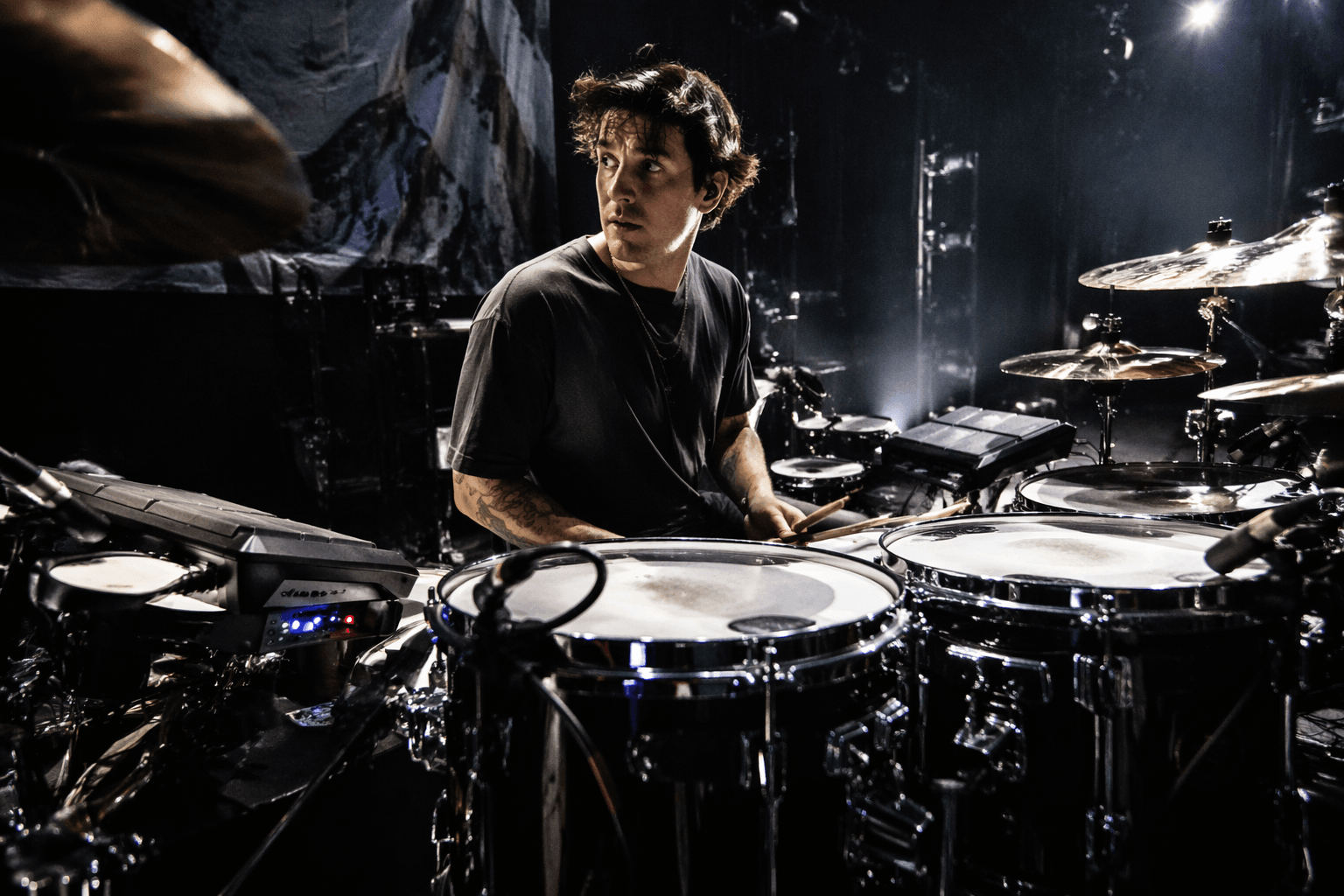
The Woggles’ Dan Elektro breaks down Ringo Starr’s snare delay
Dan Elektro hears a tiny Ringo delay as a drumming masterclass, and it shows how one late snare hit can change the feel of a whole song.
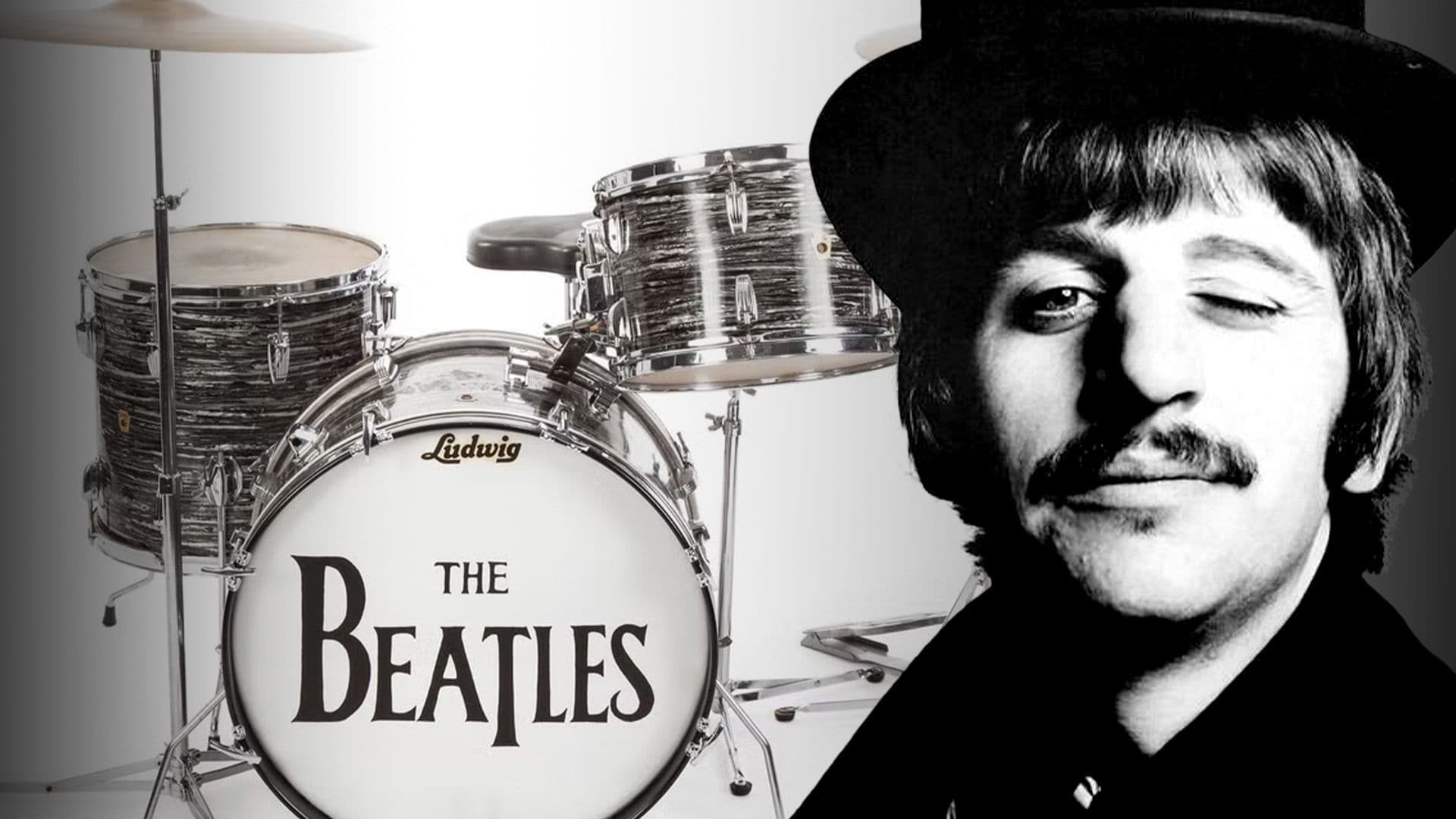
Dan Elektro hears the kind of drumming detail that changes the way you count time. The Woggles’ garage-rock pocket starts with Ringo Starr’s delayed snare and a slightly reworked bass drum pattern on the live version of “I Saw Her Standing There,” a move that adds tension just before the chorus and makes a familiar beat feel newly alive.
What Dan Elektro hears in Ringo’s pocket
Elektro says Ringo Starr was the first drummer whose name and face he knew, which is a very specific kind of first love for a player. It is not just admiration for a famous band member, it is the moment a drummer becomes a reference point, someone you begin to listen to as if every limb has something to teach you. In Elektro’s case, that fascination sharpened when he heard Anthology 1 and started comparing Ringo’s studio approach with his live choices.
The detail that grabbed him is not flash. It is the way Ringo waits, then places the snare a little differently while the bass drum shifts under it, right before the chorus hits. That slight delay creates forward pull instead of a hard downbeat, and for drummers in loud, compact styles like garage rock or roots rock, that is the whole game: keep the song moving without flattening its shape.
Why the live Stockholm take matters
The performance Elektro points to was recorded on October 24, 1963, at Karlaplansstudion in Stockholm, Sweden, and later appeared on Anthology 1, which came out on November 20, 1995. That gives the beat a double life. It is an early Beatles live cut from the height of their first blast of momentum, but it is also a track preserved decades later as a window into how a great drummer could stretch a song without breaking it.
That matters because the song itself was already central to the Beatles’ early identity. “I Saw Her Standing There” was the opening track on Please Please Me, the band’s 1963 debut UK album, and the Beatles recorded it eleven times for BBC Radio. The tune was never a one-off. It was a workhorse in their early repertoire, which is exactly why hearing it bend in a live setting is so revealing. When a song gets played that often, the smallest variation starts to carry real meaning.
For drummers, the Stockholm version is useful because it shows that live feel is not always about playing louder or busier. Sometimes the strongest move is to lean back for a half-step, let the bass drum imply momentum, and let the snare arrive just behind expectation. That is how a simple rocker stops sounding square.
The lesson for garage-rock and roots players
Elektro does more than admire the beat. He says he borrowed the idea, and that is where the story stops being Beatles mythology and becomes actual working musician advice. Drummers absorb vocabulary the same way guitar players steal licks: by hearing a phrase that solves a problem, then dropping it into a new context. In this case, the problem is how to make a straight-ahead song feel dangerous without overcrowding it.
That kind of borrowing works especially well in garage rock and roots settings, where the band often lives or dies on pulse, restraint, and a little bit of swagger. A delayed snare can do more than a flurry of fills because it changes the song’s posture. It says the groove is confident enough to breathe.
A few practical takeaways fall straight out of Elektro’s example:
- Let the bass drum and snare disagree slightly, especially heading into a chorus, so the groove feels like it is reaching forward.
- Try placing the snare just behind the expected spot instead of pushing every backbeat hard to the front of the beat.
- Listen for how live and studio versions of the same song differ, because those small changes often reveal the most usable ideas.
- Treat a simple beat as a canvas, not a limitation. A tiny delay can create more lift than extra notes.
The broader point is that peer-to-peer commentary often lands harder than history lessons because it comes from use, not just admiration. Elektro is not discussing Ringo as a museum piece. He is talking about a beat that altered the way he played, which is exactly why the story resonates with working drummers. It proves that a single rhythmic twist from 1963 can still solve a problem at a modern kit.
Why this Ringo moment keeps working
Ringo Starr’s reputation among musicians has always been tied to feel, song service, and the ability to make the simplest parts memorable. The Stockholm version of “I Saw Her Standing There” captures that reputation in one small, practical motion: the snare waits, the bass drum shifts, and the chorus arrives with more tension than a straight read would give it. That is why Dan Elektro keeps hearing it, and why the rest of us can still learn from it every time we sit down behind the kit.
This article was produced by Prism’s automated news system from verified source data, official records, and press releases, then run through automated quality and moderation checks before publishing. The system is built and supervised by the people who set the standards it runs under. Read our full AI policy.
Did this article answer your question?