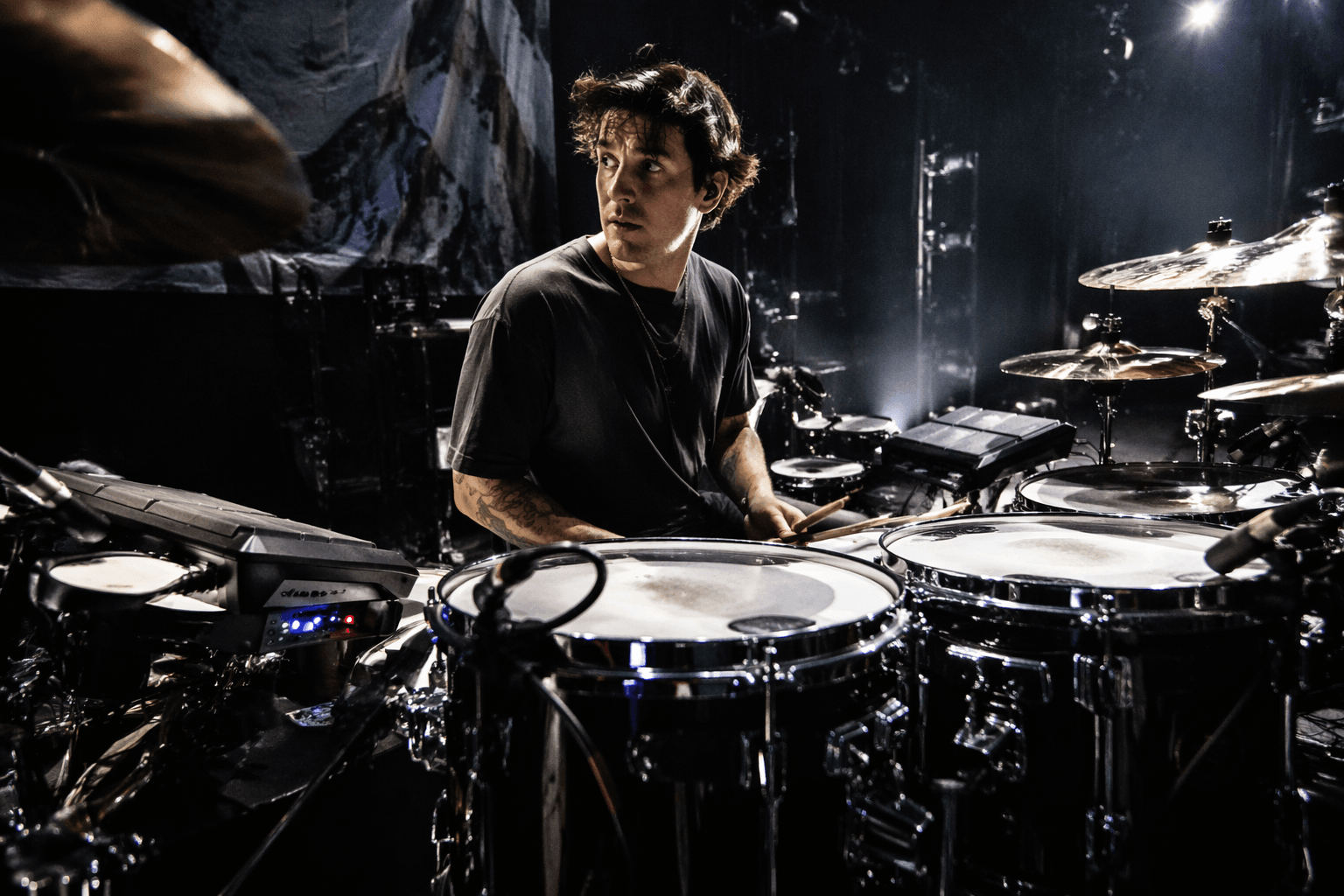
Why early digital drum machines became beloved for their lo-fi sound
Early digital drum machines won over drummers by sounding imperfect on purpose, and their clipped samples still define a whole language of groove and texture.
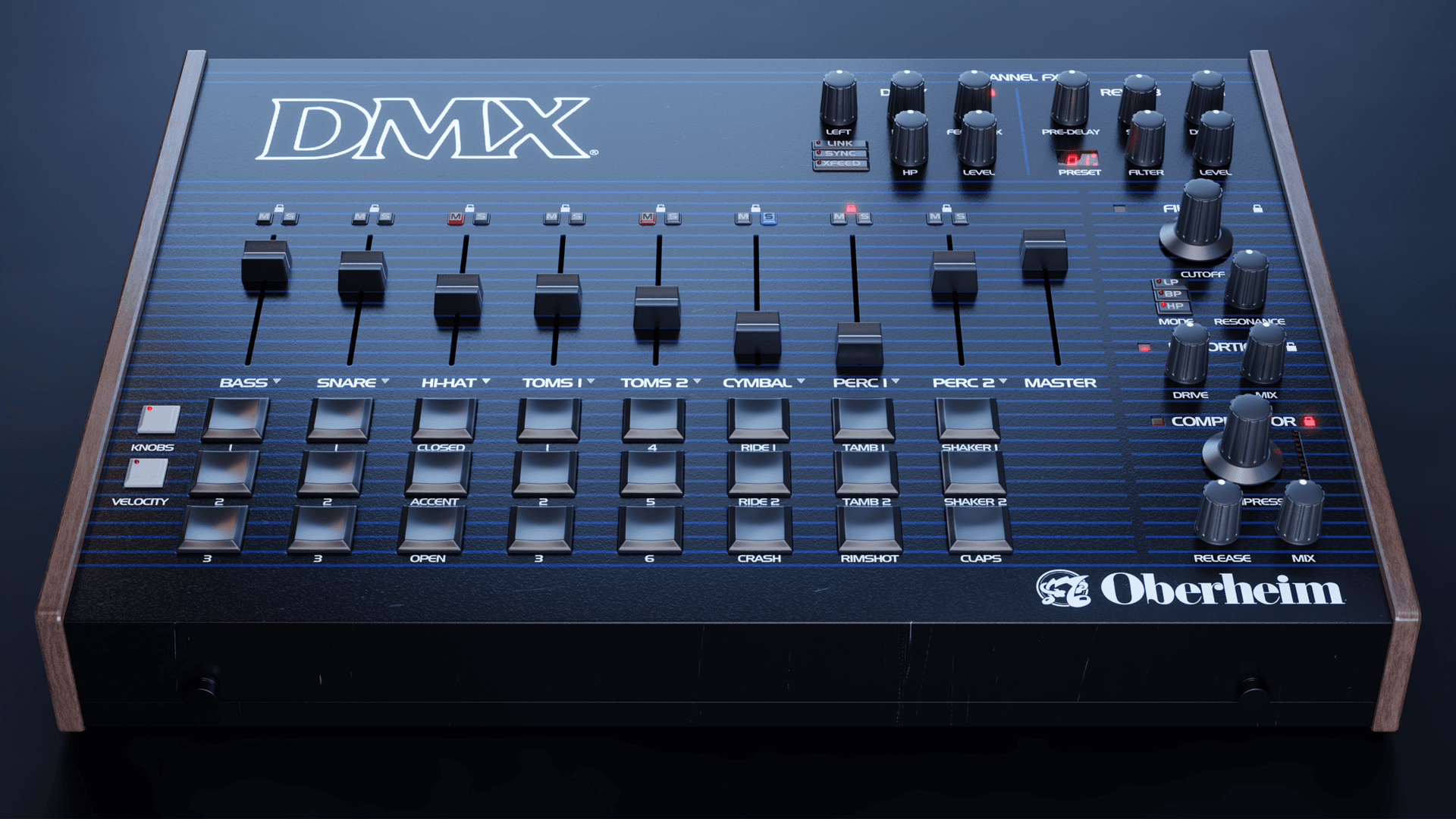
Announced in 1979 and released in 1980, Roger Linn’s LM-1 Drum Computer used 8-bit samples recorded at 28 kHz. Early digital drum machines became beloved not because they nailed the illusion of a live kit, but because they missed in ways that felt musical. Low sample quality, limited voices, and slightly awkward realism became a signature sound that still reads as vibe, not defect. Producers still chase the grain, the bite, and the strange confidence of a machine that sounds unmistakably machine-made.
The charm of a sound that refuses to be perfect
The early digital era gave drum programming a new identity. Instead of aiming for the smoothest possible imitation of acoustic drums, these boxes delivered a narrower palette with a distinctly artificial edge, and that edge ended up changing how records felt. The appeal sits right there in the compromise, because the sound is both familiar and wrong in a way that makes the groove stand out.
Feel is never only about timing. It is about the way a kick lands, the way a snare sits against the beat, and the amount of texture your ear hears before the pulse even registers. Early sampled drum machines gave producers a fixed sonic fingerprint to build around.
The LM-1 made sampled drums feel like an instrument
Roger Linn’s LM-1 Drum Computer is the pivot point. It was the first drum machine to use sampled sounds, and it brought in practical performance ideas that mattered as much as the samples themselves: timing correction and swing. Those samples gave the machine a built-in roughness that no amount of wishful realism could erase.
That roughness became useful. The LM-1 gave musicians a drum sound that had the snap of recorded drums but none of the obligation to behave like a live room with overheads and bleed. Earlier drum machines were generally not treated as serious instruments, and the LM-1 helped change the status of programmed drums from novelty to a working musical language.
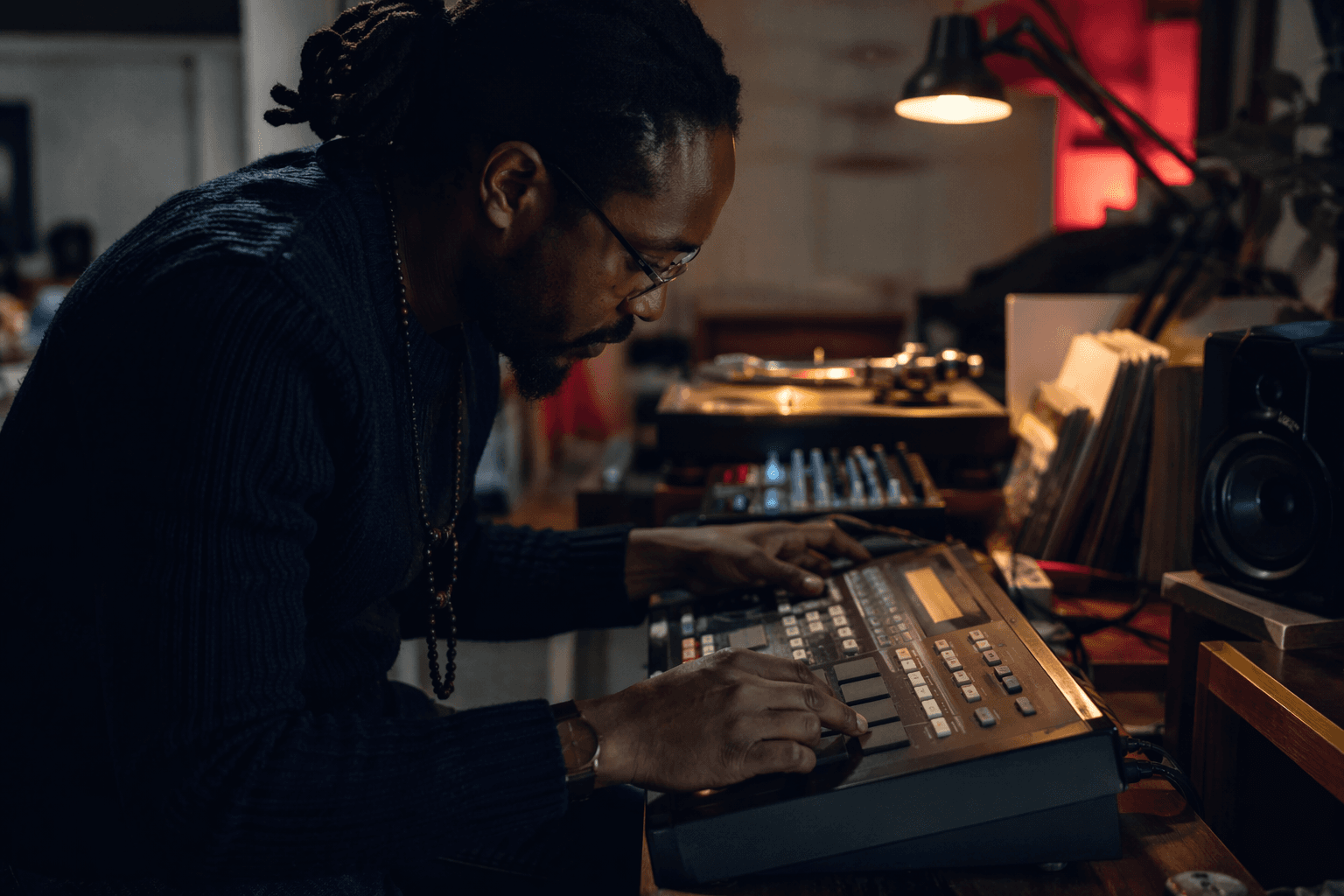
The machine also connected to records people know by ear, not by gear trivia. Hall & Oates used it on “Maneater,” Michael Jackson on “Thriller,” and Peter Gabriel on “Shock the Monkey.”
Why the LinnDrum became the studio staple
If the LM-1 opened the door, the LinnDrum made the room bigger. Released in 1982, it expanded the idea into a more usable studio tool with 15 sampled voices recorded at 35 kHz and 8-bit depth. About 5,000 units were sold, enough to make it a familiar part of the recording landscape rather than a rare curiosity.
That broader footprint mattered because the LinnDrum made the sampled-drum aesthetic easier to build records around. It carried the same family resemblance to the LM-1, but with a wider palette and a cleaner, more flexible feel that suited the production habits of the early 1980s. In practical terms, it gave engineers and programmers a drum machine that was still characterful, still unmistakably digital, but versatile enough to become a studio staple.
Once drums made by machine started being taken seriously, the standard changed. The question was not whether the machine could imitate a kit well enough. Its particular tone, reduced fidelity, and fixed palette became the point.
Why the lo-fi artifact is back in the box
The modern plugin world has revived these sounds for a very simple reason: the old machines are hard to keep alive, but the character is still in demand. Rare hardware means maintenance, MIDI quirks, and old wiring, while software gives producers the same family of sounds in a form that drops straight into a DAW.
GForce Software introduced IconDrum in December 2024 as a LinnDrum-inspired plugin, a tribute to the early-1980s machine that helped shape the decade’s drum language. Roland Cloud also offers a Drum Machine Collection of ’80s recreations built with its ACB technology. Both focus on specific machine identities rather than a generic “retro” tone.
This sound keeps showing up in lo-fi hip-hop, synth-pop, experimental electronica, and hybrid drum programming that sits between live performance and machine precision. Producers are after the feel of a limited source. A machine with a small palette forces decisions, and those decisions often make the groove clearer.
How to hear the difference when you are chasing this feel
If you want the early digital drum-machine sound for the right reasons, listen for the traits that made it durable in the first place:
- 8-bit grain and lower sample rates, which give kicks and snares a clipped, unmistakable edge.
- Timing correction and swing, which turn a rigid sequence into something that can breathe.
- A limited voice set, which makes the arrangement feel focused instead of overloaded.
- A slightly artificial top end, which helps the drums cut without pretending to be a live room.
This article was produced by Prism’s automated news system from verified source data, official records, and press releases, then run through automated quality and moderation checks before publishing. The system is built and supervised by the people who set the standards it runs under. Read our full AI policy.
Did this article answer your question?