Dungeon Masters Guide to Running Short Sessions and One-Shots in 2024 D&D
Short on time but big on ambition? The 2024 ruleset makes one-shots and tight sessions more manageable than ever for DMs who know the right moves.

Running a one-shot or a compressed session is one of the most underrated skills in a Dungeon Master's toolkit. It demands everything a full campaign does, economy of storytelling, player buy-in, encounter balance, and satisfying narrative payoff, but asks you to deliver it in a fraction of the time. With the 2024 D&D ruleset, sometimes called "5.5e" in community shorthand on D&D Beyond, a handful of structural changes and design philosophy shifts make the short-form game more achievable than it has ever been for DMs willing to work with the new rules rather than around them.
Know your runtime before you write a single word
The single biggest mistake DMs make with one-shots is treating them like miniature campaigns. They are not. A one-shot is closer to a short story than a novel: every scene needs to earn its place, and you cannot afford a slow first act. Before you prep anything, lock in your available table time. A tight two-hour slot plays completely differently from a four-hour convention block, and your encounter count, exploration beats, and roleplay opportunities should scale accordingly. A reliable rule of thumb used by experienced one-shot runners is the three-act structure compressed into roughly three scenes: an inciting hook, a central complication, and a climactic resolution. Each scene should be able to stand on its own if time runs short.
Quick-start characters under the 2024 rules
Character creation is traditionally one of D&D's great joys, but in a one-shot context it can eat a significant chunk of your available play time. The 2024 ruleset streamlines several entry points that work in your favor here. Pre-generated characters are your best friend, and the updated Background rules in the 2024 Player's Handbook give those pre-gens immediate narrative texture without requiring a player to have read anything in advance. Each Background now provides an Origin Feat at first level, which means even a level 1 pre-gen has a mechanical identity beyond their class, giving players something distinctive to latch onto immediately.
For short sessions set at higher tiers, the 2024 rules' revised species and class structures make handing players a level 5 or level 8 character less overwhelming than it used to be. The ability score improvement system and the cleaner feat taxonomy reduce the cognitive load on a player picking up an unfamiliar sheet mid-campaign or at a convention table.
Encounter design: fewer fights, higher stakes
One of the most common pitfalls in short-session design is over-packing the encounter slate. Combat in D&D, even with the 2024 edition's tighter action economy updates, takes time. A single medium-difficulty encounter can run 30 to 45 minutes at a table with five players once you factor in decision-making, dice rolls, and the inevitable rules question. In a two-hour one-shot, that means you realistically have room for one strong combat encounter, not three.
The 2024 design philosophy leans into this by making individual encounters more narratively loaded. The revised monster stat blocks in the 2024 Monster Manual emphasize legendary and lair action economy at multiple CR ranges, which means even a single well-chosen monster can carry dramatic weight without requiring a gauntlet of fights leading up to it. Consider building your one-shot around one central combat encounter, bookended by investigation or social scenes that give players agency and information rather than just staging areas.
The soft time limit: your most important invisible tool
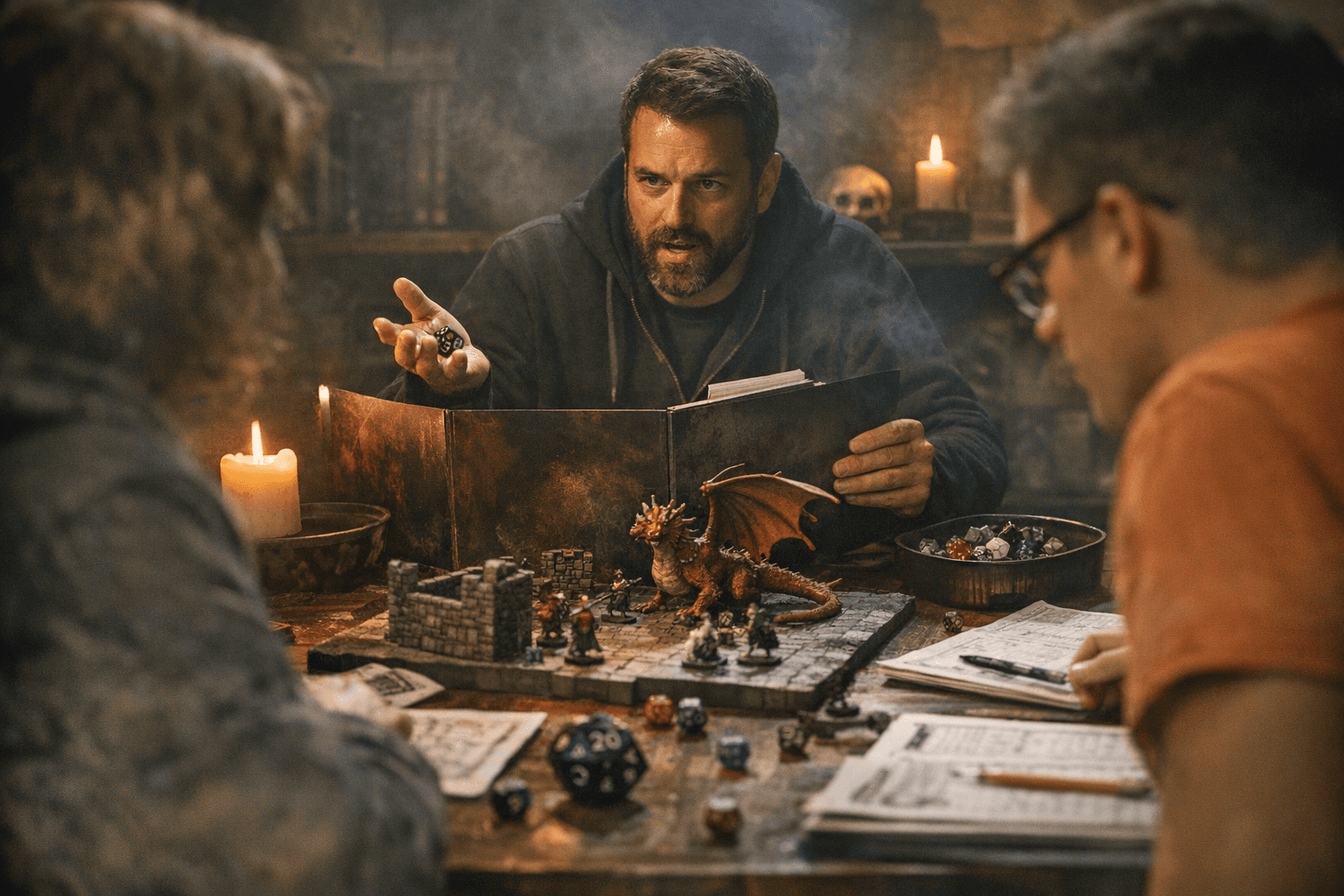
Experienced one-shot DMs use something the community often calls a "soft time limit": a narrative mechanism baked into the fiction that creates urgency without feeling artificial. A ticking clock, a ritual that completes at dawn, a ship leaving port at midnight. These devices do double duty. They give players a reason to move forward rather than explore every corner, and they give you, the DM, a legitimate reason to gently redirect if the table is spending too long on a single scene.
Under the 2024 rules, the revised Exhaustion system, which now uses a stacked numerical scale rather than the old six-tier system, pairs well with time-pressure scenarios. If the stakes of delay are mechanically represented through mounting Exhaustion from a cursed environment or a draining magical effect, players feel the urgency in their character sheets, not just as an abstract narrative nudge.
Reward structures that feel complete in a single session
One of the subtler challenges of one-shot design is making players feel like they accomplished something meaningful without the benefit of a long-term campaign arc to give context to their choices. Loot and leveling up are the obvious levers, but they matter less than narrative closure. Design your one-shot around a question your players can answer by the end of the session: Did they save the village? Did they uncover the truth about the missing merchant? Did they escape the collapsing dungeon?
The 2024 rules support this with the revised Inspiration mechanic, which DMs can now award more freely and which players can pass to each other. Using Inspiration as a live reward for great roleplay moments or clever solutions creates a rhythm of positive feedback that makes a two-hour session feel substantive even without an XP level-up at the end.
Adapting published adventures for the short-form table
Not every one-shot needs to be homebrewed from scratch. Many of the published D&D adventures, both legacy content and newer releases designed with the 2024 rules in mind, can be trimmed effectively. The key is identifying the adventure's spine, the two or three scenes that carry the essential dramatic weight, and cutting the connective tissue that exists primarily to fill time in a longer session. Side rooms, optional encounters, and extended travel sequences are the first things to cut. The central mystery or conflict should remain intact.
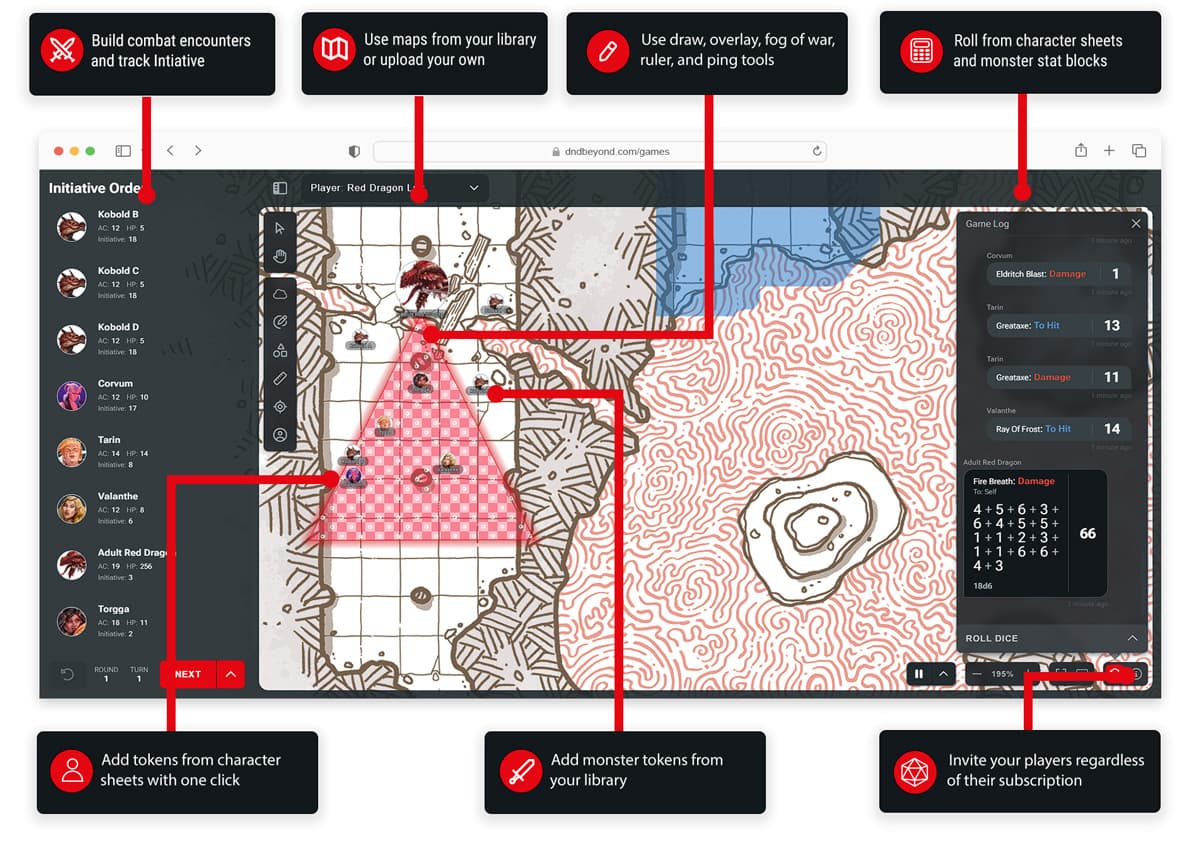
D&D Beyond has become the primary platform where the community organizes and accesses both official and third-party one-shot content under the 2024 ruleset, making it a practical first stop when you need a ready-to-run framework rather than building from the ground up.
Running the table, not just the rules
All the structural advice in the world matters less than your ability to read the room. Short sessions reward DMs who are comfortable improvising, compressing, or skipping ahead when the narrative energy demands it. If your players are deeply engaged in a conversation with an NPC you invented on the spot, that scene is your session now. Let it breathe. The encounter you had planned can wait, or disappear entirely.
The 2024 ruleset, for all its mechanical updates, still runs on the same core principle that has driven D&D since its earliest editions: the DM's judgment is the most flexible tool at the table. In a one-shot, that judgment gets tested more directly than almost anywhere else in the game. The sessions that players remember years later are rarely the ones that hit every planned beat; they are the ones where something unexpected happened and the DM made it matter.
This article was produced by Prism’s automated news system from verified source data, official records, and press releases, then run through automated quality and moderation checks before publishing. The system is built and supervised by the people who set the standards it runs under. Read our full AI policy.
Did this article answer your question?