Dungeons & Dragons: The Fallbacks face power, fame, and injustice
The Fallbacks finally get power in Loudwater, but issue #3 turns their promotion into a test of leadership, justice, and party friction.
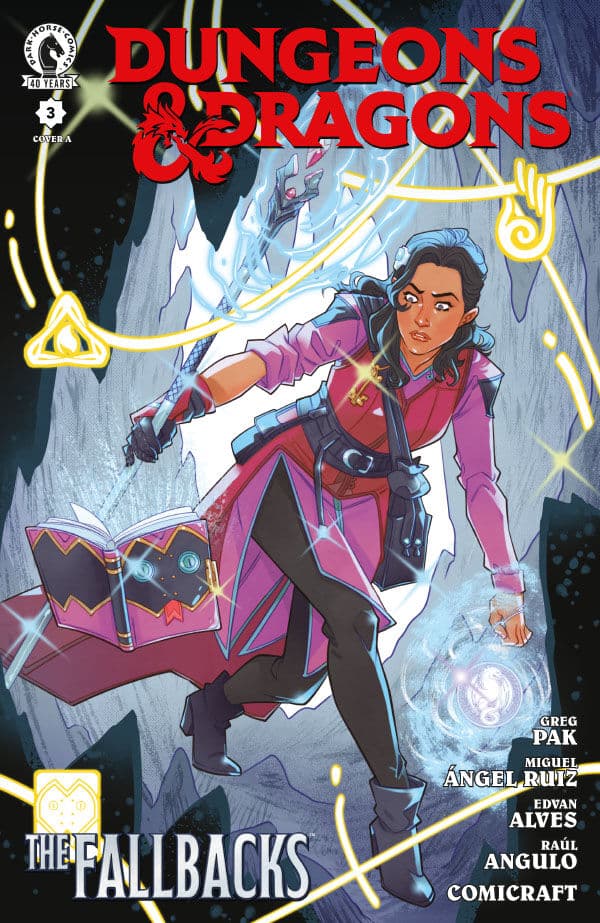
At 32 pages and $4.99, Dungeons & Dragons: The Fallbacks Series 1 #3 is the kind of comic D&D readers can actually use, because it pushes the party past dungeon-crawl noise and into the messier work of holding power. Dark Horse lists it as part of a four-issue miniseries, with Greg Pak writing, Edvan Alves and Miguel Ángel Ruiz on art, Raul Angulo on colors, and Comicraft on lettering, so this is not a side project or a one-off tease. It is a current shelf book built for readers who want a clean entry point, collectors tracking the line, or DMs looking for something more useful than another generic fantasy battle.
The hook this time is simple and strong: the Fallbacks now serve the Lady of Loudwater. That shift gives Tess, Anson, Cazrin, Lark, Baldric, and Uggie something most adventuring parties never get for long, real authority. It also gives them something uglier than treasure to deal with, because the issue frames fame, money, and influence as a mixed blessing. For a table, that is the real value here. Steal the setup, not just the names: a party that finally gets recognized, then has to decide whether it can handle the injustices that come with being the people in charge.

That tension lands better because the comic has already earned its chaos. Issue #2 sent a white dragon crashing down on Loudwater after the Fallbacks plundered the Lost Lord of Loudwater’s tomb, so #3 arrives with the party already carrying consequences instead of starting fresh. The setting stays locked on Loudwater in the Forgotten Realms, which makes the series easy to fold into a home campaign if you want a city with civic pressure, political obligations, and a reason for heroes to be called in instead of just wandering through. Issue #3 does not hand DMs a monster manual entry, but it does offer a clean campaign frame: reckless adventurers become public figures, then discover that being useful and being just are not the same thing.
That is also why this issue should matter to lapsed readers and active comic collectors alike. Dark Horse has already positioned the Fallbacks as readable without deep backstory, and its own issue #1 roundup leaned on the book’s humor, action, and heart. The comic started from Jaleigh Johnson’s The Fallbacks: Bound for Ruin, but by issue #3 it has become its own playable fantasy pitch, one that understands the best D&D stories are not just about beating the room. They are about what the party does after the loot is counted and the whole table realizes the real encounter was responsibility.
This article was produced by Prism’s automated news system from verified source data, official records, and press releases, then run through automated quality and moderation checks before publishing. The system is built and supervised by the people who set the standards it runs under. Read our full AI policy.
Did this article answer your question?

