Fan Collaborations Reshape D&D Culture and Inspire Official Product Creation
Runic Dice documented how fan collaborations are changing D&D culture and prompting publishers to turn community creations into official products, a shift with practical implications for players and creators.
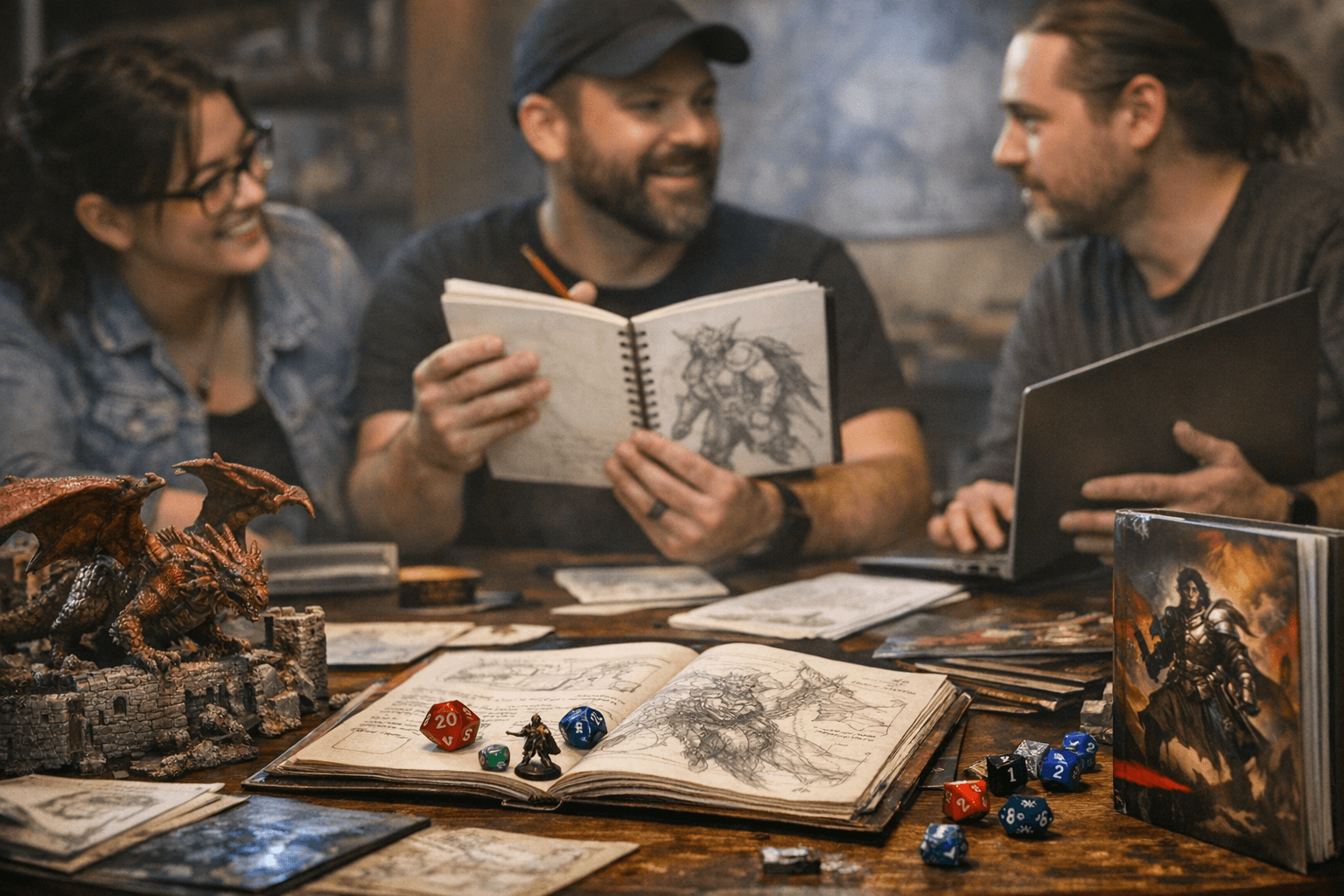
Fan collaborations are moving from kitchen-table experiments to the attention of publishers, reshaping how Dungeons & Dragons content is made and distributed. A Runic Dice blog post published January 31, 2026 traced a growing pattern: community-driven projects - from shared homebrew modules and art anthologies to coordinated playtest pools and zine jams - are now influencing official product creation and industry hiring.
The post outlines how collaborative projects do more than supply free content. They create proof of concept for mechanics, show market demand for niche settings, and build reputations for writers, artists, and designers. Creators who coordinated anthology releases or organized mass playtests have seen their work noticed by companies that scout community talent and ideas. That pipeline is changing the career path for hobbyists, turning volunteer-driven projects into paid gigs and official partnerships.
For players and Dungeon Masters, the practical value is immediate. Community collections expand the toolbox for tables with fresh adventure hooks, art assets, and variants that can be dropped into an ongoing campaign. Coordinated playtests make mechanics more robust before they appear in print, and community curation highlights gems that would otherwise be buried on forums. Verify creators' licenses before running or selling material, and give credit where credit is due; these small actions keep collaborative ecosystems healthy.
Creators will find concrete lessons in the Runic Dice writeup. Collaborative planning, transparent credit lines, and clear licensing make it easier for a project to scale and attract official interest. Organize playtest schedules, compile contributor lists, and keep art and writing files production-ready. Platforms that centralize collaboration, track contributions, and handle simple revenue splits reduce friction and make projects more attractive to publishers looking for ready-made content.
Community dynamics are also changing. Cross-group collaborations and zine jams foster skill-sharing and mentorship, while play-by-post and remote campaigns broaden the talent pool beyond regional hubs. The result is fresher voices in the pipeline and a wider variety of settings and tones appearing in both fan-made and official releases.
What readers should watch next is how publishers formalize scouting and licensing practices. Expect more examples of community-originated concepts being adapted into polished products, and more pathways for hobbyists to move into paid work. For GMs and players, that means more modular content and a larger pool of tested options at the table. For creators, it means professional attention is now a realistic outcome of thoughtful, well-documented collaboration.
This article was produced by Prism’s automated news system from verified source data, official records, and press releases, then run through automated quality and moderation checks before publishing. The system is built and supervised by the people who set the standards it runs under. Read our full AI policy.
Did this article answer your question?