Guide: Research and Programs Use Dungeons & Dragons to Support Mental Health
Clinicians, veterans’ services, and researchers use Dungeons & Dragons to support mental health, offering practical models for therapeutic play and peer-support.
Clinicians, veterans’ services, disability-support organizations, and academic researchers have documented multiple ways tabletop roleplaying, especially Dungeons & Dragons, can support social skills, resilience, cognitive engagement, and group wellbeing. University College Cork researchers led by Orla Walsh have summarized clinical findings that link structured roleplay to improvements in social connection and coping strategies, while VA Orlando’s REVEAL program has implemented a peer-support rollout that shows how services can operationalize those benefits in practice.
Programs that work point to consistent design choices. Facilitated groups use clear therapeutic goals and trained facilitators working as therapeutic DMs to steer scenes toward social exposure and skill practice. Character creation is person-centered, allowing players to explore strengths and vulnerabilities at a comfortable pace. Low-pressure role expectations and accessible materials - including pre-made characters and shortened sessions - lower barriers for people new to tabletop gaming or those with cognitive and sensory needs. Structured debriefs that explicitly tie in-session choices to real-world skills convert roleplay into reflection and practical progress.
These practices matter for local organizers, clinicians, and volunteer DMs. Veterans’ services can adapt peer-support models such as REVEAL to embed D&D in group programming without replacing clinical care. Disability-support organizations can use person-centered character setup and session pacing to increase participation. Mental-health practitioners running groups can use debrief frameworks to convert narrative decisions into social skills and coping tools. Nonprofit programs, including community mental-health providers, already run facilitated D&D groups that combine therapeutic intent with game flow.
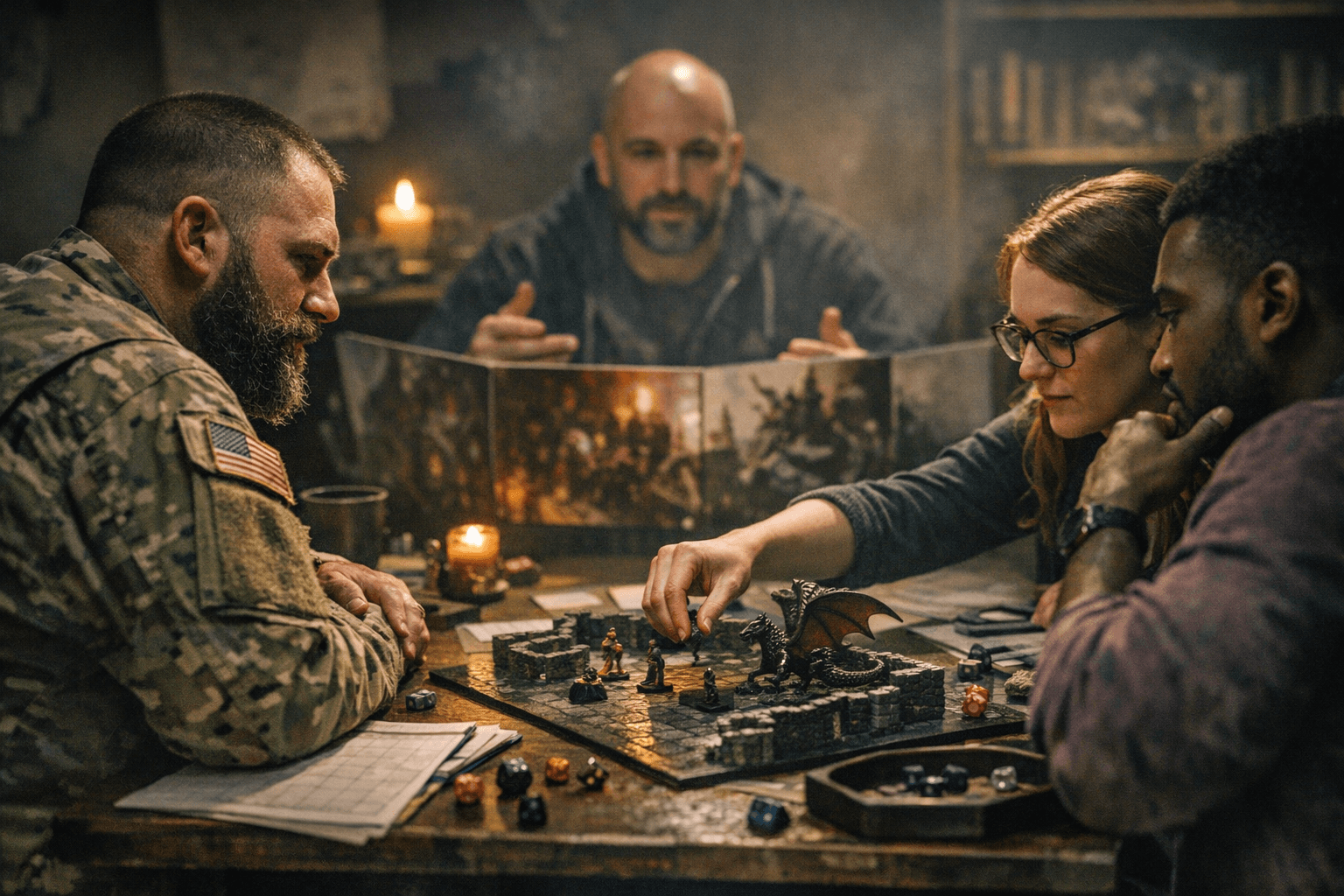
For DMs and organizers looking to start or refine a program, prioritize facilitator training and clear session objectives. Use pre-made content and shortened sessions to welcome newcomers, and build debrief time into every meeting to connect game moments to daily life. Practitioner resources are available in clinical summaries and implementation writeups produced by university researchers and service programs, and networks for therapeutic game masters provide training and peer support for facilitators seeking to run safe, goal-oriented sessions.
This approach keeps D&D enjoyable while adding concrete mental-health value - roll for resilience instead of just roleplay. Expect more clinics and community services to adopt these models, and verify facilitator skills and program goals before joining or offering a therapeutic table.
This article was produced by Prism’s automated news system from verified source data, official records, and press releases, then run through automated quality and moderation checks before publishing. The system is built and supervised by the people who set the standards it runs under. Read our full AI policy.
Did this article answer your question?