Hope Services Uses Dungeons & Dragons for Person-Centered Social Skills Training
Hope Services ran facilitated Dungeons & Dragons sessions to teach social skills and boost confidence, showing roleplaying games can be structured person-centered interventions.
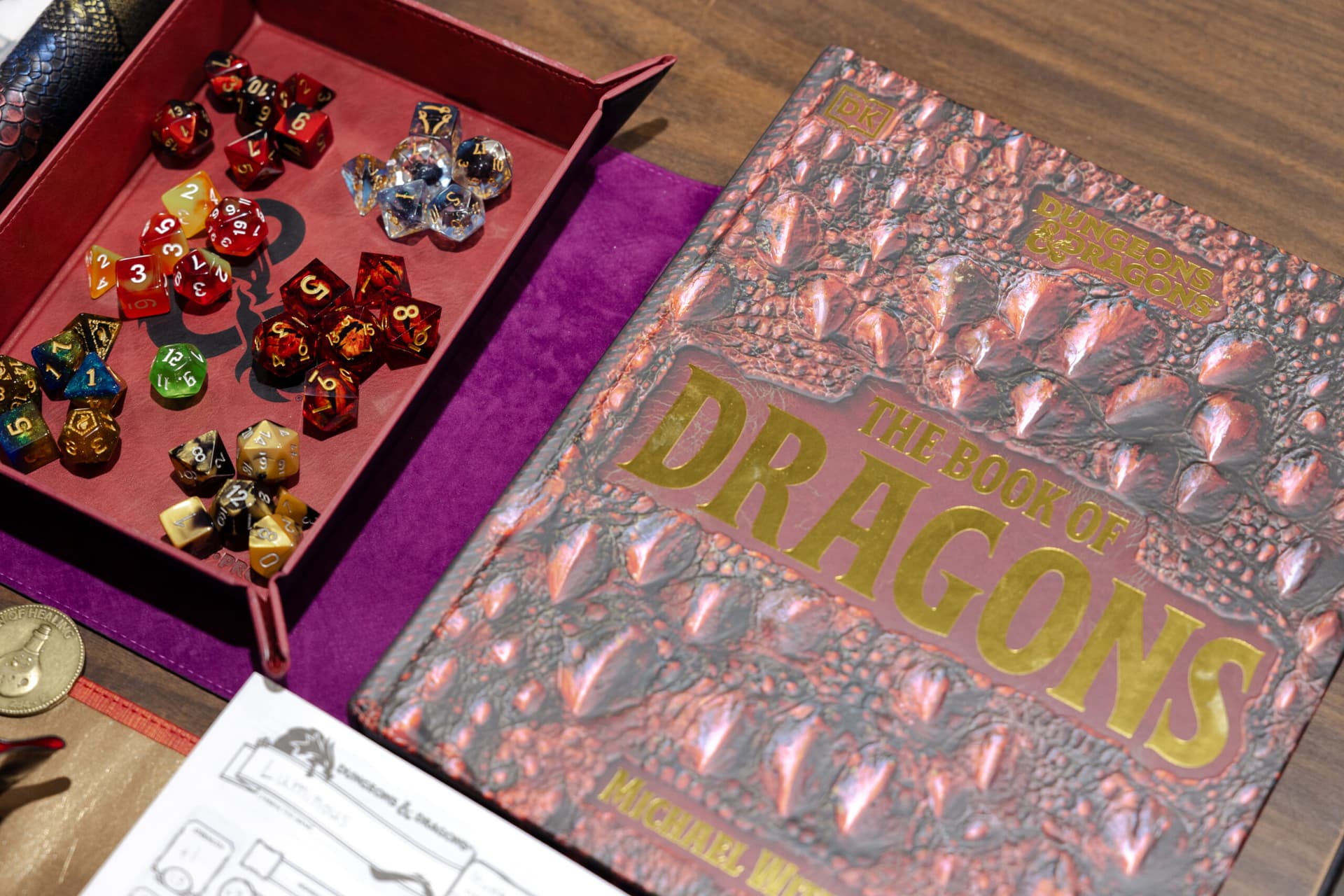
A California nonprofit used facilitated Dungeons & Dragons sessions as a deliberate tool for social skills training, reporting measurable gains in communication, reduced anxiety, and increased social engagement among program participants. Hope Services published a feature on Jan. 27 describing how the roleplaying game was adapted into person-centered support for people with developmental disabilities.
The sessions were led by trained staff who designed scenarios around individual goals, emphasizing turn-taking, verbal expression, teamwork, and creative problem solving. Staff adjusted challenges, pacing, and sensory environments so play followed each participant’s abilities and preferences. Participants were encouraged to shape characters, negotiate party roles, and practice real-world skills inside fictional encounters, turning classic table-top mechanics into structured opportunities for social rehearsal.
On-the-ground examples in the feature showed concrete growth. Participants who initially spoke only in brief phrases expanded to narrating character actions and offering suggestions to the group. Several players showed reduced anticipatory anxiety about social interaction, and staff documented more frequent voluntary check-ins between sessions. Outcomes centered on confidence, collaboration, and creative expression - outcomes that staff linked directly to specific session designs such as cooperative combat, shared puzzles, and narrative-driven social scenes.
Hope Services framed the program with academic context, citing University College Cork findings on Dungeons & Dragons’ positive mental-health effects to support the therapeutic benefits of roleplaying. The organization presented its work as both a case study and a practical model other community service providers can adapt. That model includes clear goal-setting for each player, flexible scenario scripting, attention to sensory needs, and routine reflection time after sessions to transfer tabletop experiences into daily life.

For providers and Dungeons & Dragons fans in the community, the practical value is immediate. Staff training in facilitation and disability supports can convert existing hobby knowledge into intentional interventions. Using the game’s natural mechanics - initiative, role specialization, shared narrative stakes - organizers can scaffold social interaction without reducing player agency. The approach keeps play fun while offering measurable social-learning targets.
Hope Services’ feature puts a spotlight on how a familiar hobby can be repurposed for person-centered work. For Dungeon Masters and program directors, the next steps are training, low-stakes pilot sessions, and documentation of participant goals and progress. As more organizations consider game-based supports, this program offers a replicable blueprint that keeps the campaign centered on players, not only the story.
This article was produced by Prism’s automated news system from verified source data, official records, and press releases, then run through automated quality and moderation checks before publishing. The system is built and supervised by the people who set the standards it runs under. Read our full AI policy.
Did this article answer your question?