Stranger Things Normalizes Dungeons and Dragons, Sparks Mainstream Hobby Boom
Netflix's Stranger Things has repeatedly put Dungeons & Dragons in the cultural spotlight, helping normalize tabletop play and drawing new players into the hobby.

Netflix's Stranger Things has turned Dungeons & Dragons from a niche pastime into a visible part of mainstream culture, driving fresh interest in tabletop role-playing and expanding commercial tie-ins. The show has used D&D as a storytelling device since Season 1, and that recurring presence has translated into more accessible product designs, licensed sets, and media crossovers that lower the barrier to entry for new players.
The franchise's reach extends beyond cameo gameplay. Publishers and licensors have released Stranger Things-themed D&D sets and tie-ins, and related projects such as Welcome to the Hellfire Club and licensed video games have amplified exposure. Simpler starter boxes, streamlined rules, and attractive tie-in packaging give newcomers an easier path to their first session, while actual-play streams and podcasts convert casual viewers into participants by showing how a game night plays out in real time.
That visibility matters for the hobby and its communities. D&D's historical stigmas that once kept it on the fringes have eased as millions see characters embrace role-playing on screen. The result is more foot traffic at local game stores, more tables at conventions, and a larger pool of prospective dungeon masters and players. For storefronts and community organizers, that translates into programming opportunities and new customers hungry for beginner-friendly products and events.
Accessibility has been central to the boom. Publishers are leaning into products that teach the game through narrative hooks and prebuilt adventures, and media tie-ins do the marketing work by associating the hobby with familiar characters and themes. Actual-play streams serve as informal tutorials, showing pacing, roleplay techniques, and social cues that reduce first-session jitters. Together these elements create multiple entry points: pick up a Stranger Things-themed starter set, watch an episode or stream, then join a pick-up game at a local shop.
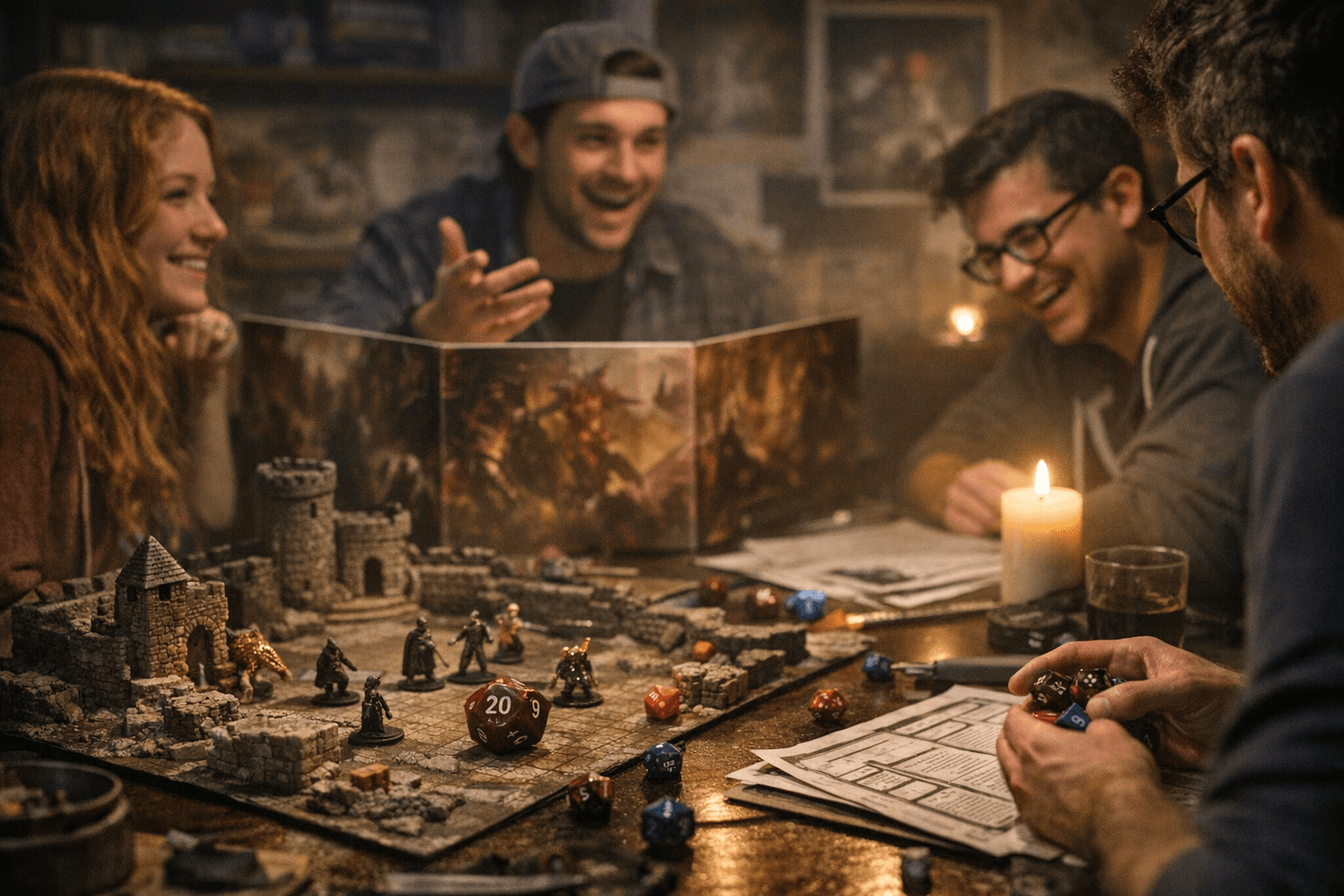
The shift also affects creative work within the community. New players bring fresh perspectives to table dynamics and genre tastes, prompting DMs to design modular encounters that scale for mixed-experience groups. At the same time, established players find opportunity in teaching and running inclusive campaigns that welcome the influx of beginners.
Expect continued cross-media collaboration to shape the hobby's growth. For players and store owners, that means stocking accessible starter sets, scheduling beginner-friendly sessions, and using pop-culture tie-ins as hooks to build long-term groups. Stranger Things may have rolled a natural 20 for exposure, but sustained growth will depend on community practices that turn curiosity into regular play.
This article was produced by Prism’s automated news system from verified source data, official records, and press releases, then run through automated quality and moderation checks before publishing. The system is built and supervised by the people who set the standards it runs under. Read our full AI policy.
Did this article answer your question?

