The Legend of Vox Machina season 4 shifts beyond the D&D campaign
Season 4 pushes Vox Machina into villain POV, turning the adaptation into a sharper lesson in how to build smarter, scarier D&D antagonists.
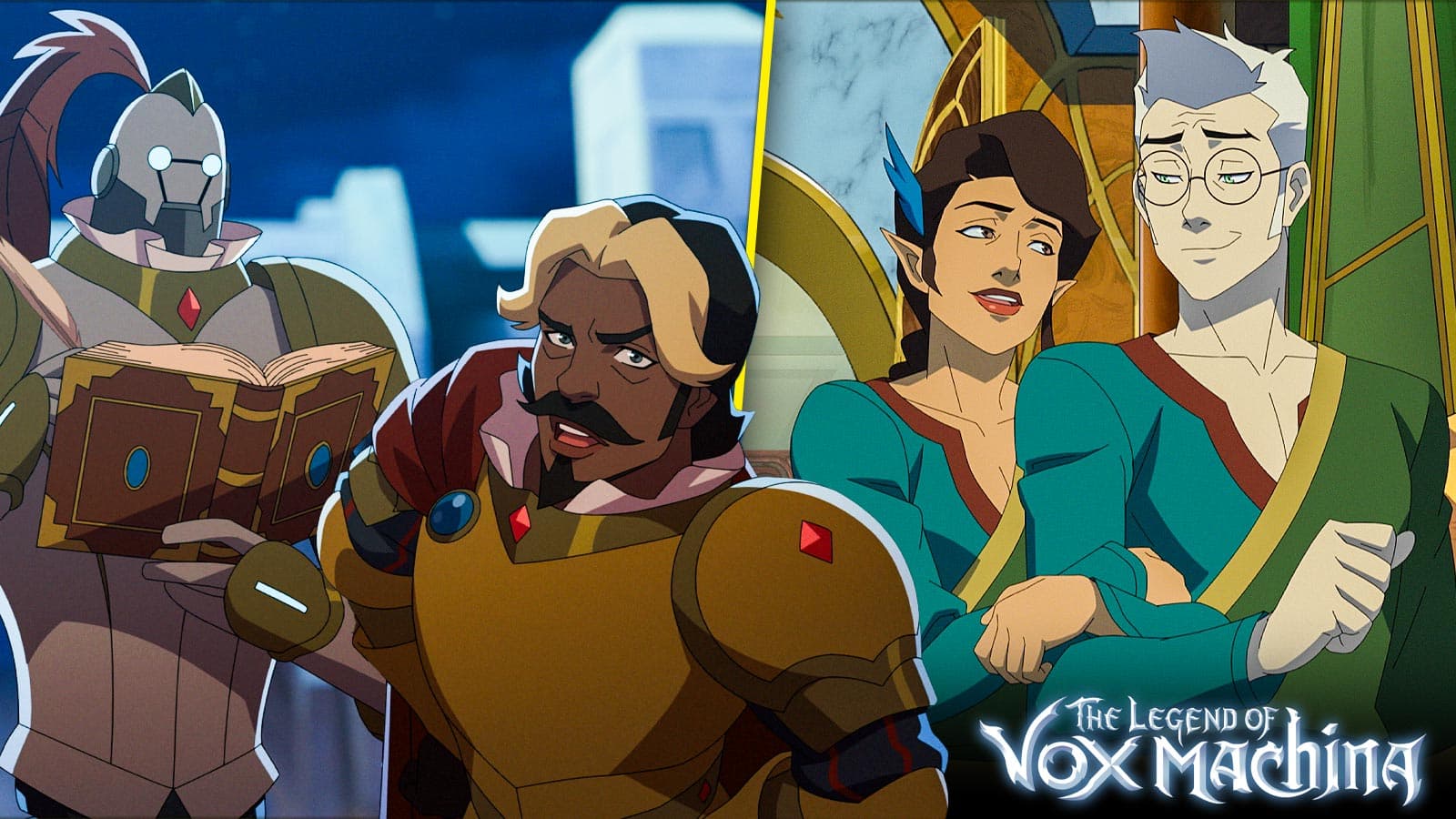
The smartest thing The Legend of Vox Machina season 4 can do is stop treating the villains like scenery. By shifting perspective and spending time inside the bad guys’ plans, the show turns into something tabletop play does not always have room for: a clean look at motive, downtime, and the cold logic that makes an antagonist feel dangerous instead of just loud. For D&D players, that is not just a nice narrative upgrade. It is a blueprint for how to make a campaign’s enemies feel like they belong in the world.
Why villain POV changes the game
At a live table, the story usually stays locked to the party’s point of view. That is part of the magic of Dungeons & Dragons, but it also means a lot of villain texture happens off-screen unless the DM goes out of the way to build it in. Season 4 of The Legend of Vox Machina can do the opposite: it can cut away, linger, and show what the enemy is doing when the heroes are not in the room.
That matters because the adaptation is not just retelling a campaign beat for beat. It is revisiting a story that began as a home game and was officially streamed in 2015, then grew into a phenomenon with more than 26 million views on the campaign version alone. The animated series exists because fans backed a 2019 Kickstarter, which means the show has always been both a translation and a reinvention. Season 4 is where that reinvention becomes the point.
What the show can show that the table usually can’t
Sam Riegel’s point to Polygon gets at the heart of the change: when the campaign was first played live, viewers were mostly seeing the world from Vox Machina’s side. The show can widen that lens. It can show the bad guys coordinating, manipulating, and making the kind of ugly little choices that create momentum long before the heroes arrive.
That is a huge deal for DMs. Villains feel sharper when you understand the machinery behind them. An evil cult does not become memorable because it exists. It becomes memorable when you see who recruits for it, why ordinary people join it, what lies keep the machine running, and which sacrifices the leader is willing to make to keep it alive. Season 4 leans into that kind of internal logic, which is exactly the sort of material a tabletop session often only hints at between initiative rolls.
Prime Video’s materials frame the new season as the heroes’ most challenging and darkest foe to date, and that tracks with the show’s new approach. The threat is not just a bigger monster or a louder boss fight. It is a worldview with structure behind it. That is the stuff that sticks with players after the dice are packed away.
The campaign foundation still matters
None of this works because the show is abandoning the campaign. It works because the campaign gives the adaptation something sturdy to build on. Prime Video says season 4 is set a year after the Chroma Conclave, with Vox Machina split up before a long-slumbering evil awakens. That setup is classic high-level D&D: the party is scattered, the world is uneasy, and the next crisis is already moving before everyone is back on the same page.
Critical Role’s own framing reinforces that lineage. Vox Machina started as a home game before becoming an official 2015 stream, and the animated series grew out of the fan-backed 2019 Kickstarter. So when season 4 goes beyond the live campaign’s immediate perspective, it is not replacing the source. It is doing the thing a good adaptation should do: using hindsight to deepen the material instead of flattening it.
The scale around the release also tells you how far this story has traveled. Prime Video announced season 4 on March 3, 2026, set a June 3 premiere, and rolled it out in three-episode weekly batches across more than 240 countries and territories. This is not some niche side project anymore. It is one of the clearest examples of a tabletop campaign becoming a global fantasy property without losing the fingerprints of the original game.
What DMs can steal from season 4
If you run games, this is the part worth paying attention to. The best villains in D&D are rarely the ones who only show up to threaten the party. The ones players remember are the ones with habits, routines, allies, and a private logic that keeps making sense even when the party hates them.
A few takeaways are baked into the season’s setup:
- Give villains downtime. Let them move pieces when the heroes are busy, split apart, or distracted.
- Show ordinary attraction to evil. A cult feels more real when you understand why people join, not just how they fight.
- Keep the villain’s goals legible. A threat is scarier when the players can trace the plan.
- Use perspective shifts sparingly but decisively. A single cutaway to the enemy can make the whole world feel larger.
That last point is where this season feels especially useful for DMs. Tabletop combat can make villains reactive. A scripted adaptation can make them strategic. If season 4 lands the way it looks built to, it will remind players and DMs alike that menace is not just HP and spell slots. It is preparation.
Prime Video has also already mapped the endgame by renewing The Legend of Vox Machina for a fifth and final season on July 24, 2025. That puts season 4 in a crucial spot: it is the penultimate chapter, the place where the adaptation can tighten the screws, darken the tone, and make every reveal count before the last roll.
That is why this season matters beyond the fandom’s comfort zone. It is not just more Critical Role in a prettier package. It is a rare screen adaptation that understands a simple D&D truth: the best villains are not random encounters. They are the other side of the campaign log, and season 4 finally gives them their turn at the table.
This article was produced by Prism’s automated news system from verified source data, official records, and press releases, then run through automated quality and moderation checks before publishing. The system is built and supervised by the people who set the standards it runs under. Read our full AI policy.
Know something we missed? Have a correction or additional information?
Submit a Tip