Biltmore falconry brings guests up close with trained birds of prey
Biltmore’s falconry program is built for real handling, not stagecraft: six guests, trained raptors, leather gauntlets, and close coaching in the woods.
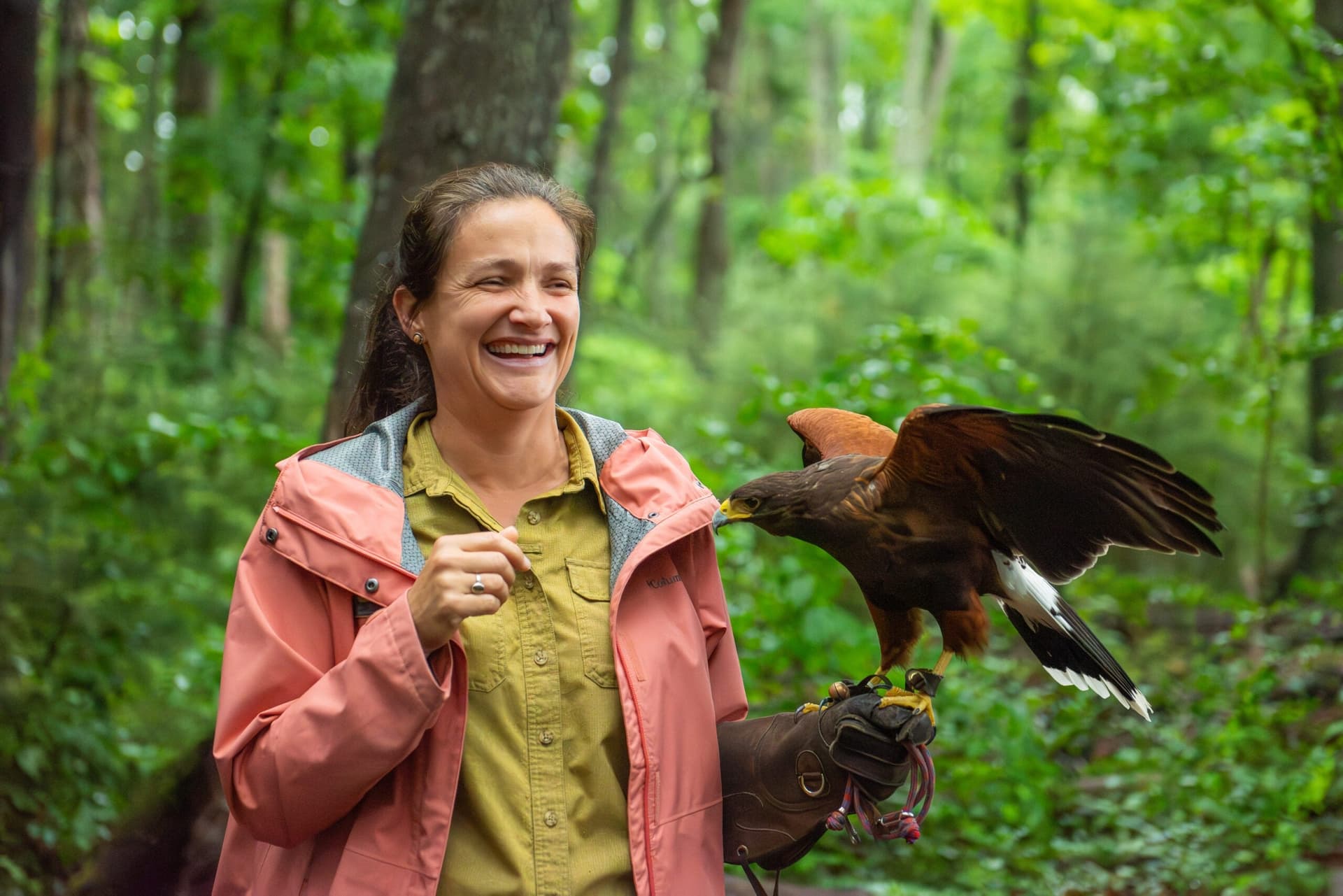
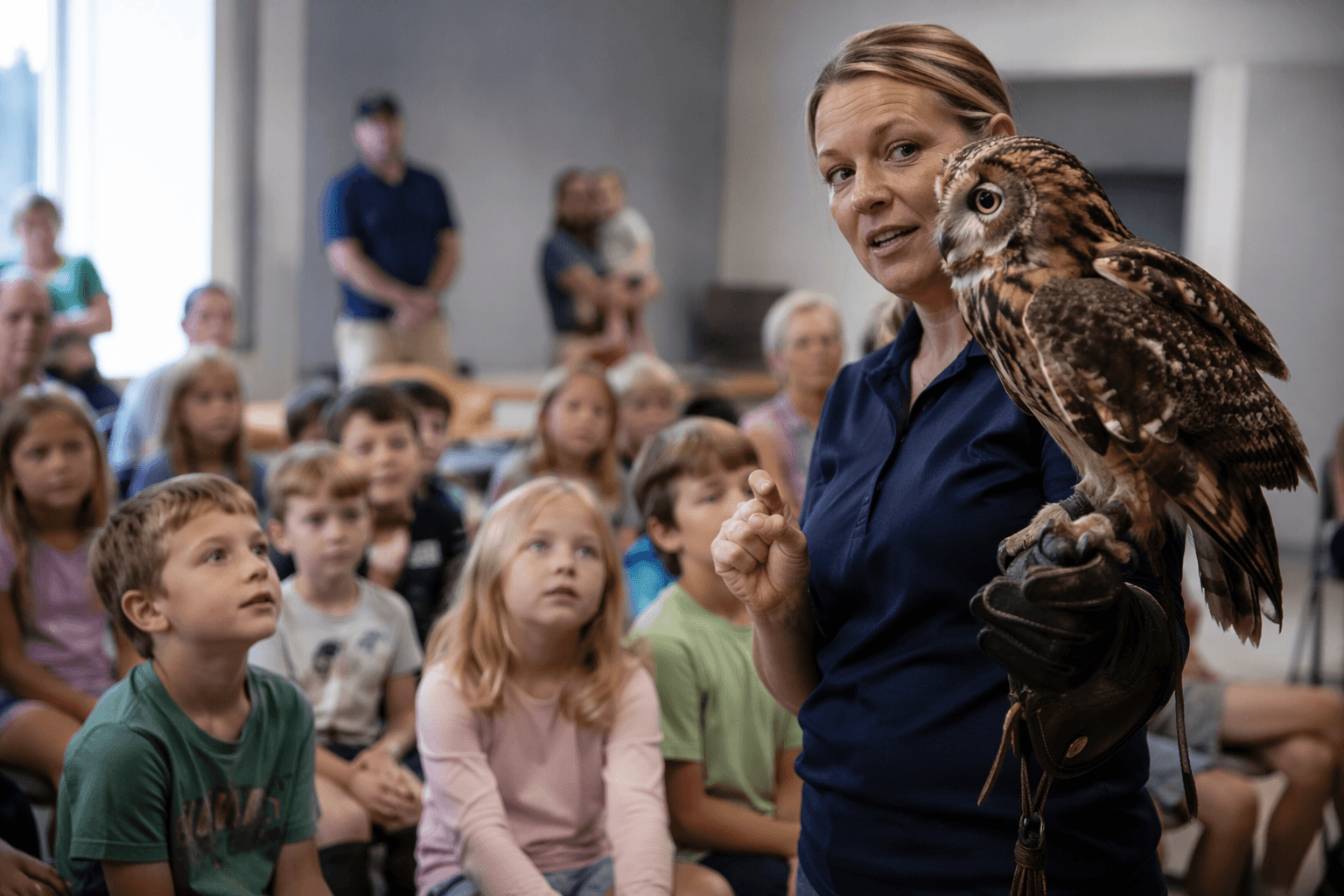
Biltmore’s falconry experience works because it keeps the birds close and the choreography controlled. Guests start in the lobby of The Inn on Biltmore Estate, walk into a wooded area, and handle trained birds of prey one at a time with heavy leather gauntlets while the handlers keep the pace calm and deliberate. That design matters: it makes the encounter feel like working falconry, not a roped-off wildlife demo.
What the session actually looks like
The setup is tight by design. Biltmore offers the activity daily, advance reservations are required, and the program caps attendance at 6 participants plus 6 observers. It is included with admission or estate lodging, which places it squarely in Biltmore’s lineup of signature on-property experiences rather than a one-off add-on.
That positioning fits the scale of the estate itself. Biltmore spans 8,000 acres in Asheville, North Carolina, in the Blue Ridge Mountains, and the property draws about 1.4 million visitors a year. On a place that large and that heavily visited, a small, carefully managed falconry session has room to feel personal instead of performative.
- Offered daily
- Advance reservations required
- Limited to 6 participants and 6 observers
- Included with admission or estate lodging
The handlers and the birds are the point
The experience is guided by Samantha Bristow and Jeff Curtis of Biltmore’s Outdoor Adventure Center, and that pair gives the program its tone. Jeff Curtis is presented as a Master Falconer and Falconry Guide, which is exactly the sort of credential that signals the birds are being handled as working animals, not dressed-up mascots.
The bird roster is specific too, which helps the whole thing feel real. Guests meet Harris hawks Sam and Hoppy, a red-tailed hawk named Ray, and a barn owl named Oskar. Those names matter because they turn the session into an encounter with individual birds and individual temperaments, not an abstract lesson about “raptors.”

Biltmore’s choice to feature Harris hawks is especially smart for a public-facing program. Harris hawks are the only social hawk species, so they adapt well to coordinated human-bird interaction and the stop-start rhythm of a guest experience. That is a practical detail, not a marketing flourish, and it tells you the program is built around species that can handle close contact without turning the session into chaos.
Why the handling feels authentic
The strongest sign that this is real falconry is the restraint built into every step. The birds are trained and responsive, but they are not domesticated pets, and the handlers treat them that way. Each bird is housed separately in the wooded area, guests handle them one at a time, and the heavy gauntlets give everyone a buffer that protects both the bird and the person.
That combination of separation, protection, and turn-taking is what keeps the experience honest. It says the birds are being worked with, not cuddled, and it keeps the focus on trust, timing, and reading behavior. The short interpretive talks reinforce that approach by explaining hawk and owl behavior, along with head movement, so the encounter stays rooted in animal management instead of theatrics.
For readers who know falconry, that distinction is everything. A polished photo op can make a bird look impressive, but an authentic session is about the handler’s control, the bird’s response, and the discipline it takes to leave enough space for instinct. Biltmore’s program leans into that discipline instead of trying to hide it.
The larger tradition behind the Biltmore experience
Biltmore frames the activity as the ancient art of falconry on historic grounds, and the larger history backs that up. Britannica describes falconry as an ancient sport practiced since preliterate times and points to Hittite stelae from the 13th century BCE. The International Association for Falconry and Conservation of Birds of Prey goes even further, describing it as a hunting tradition that has existed for more than 6,000 years and relies on trained birds of prey to take quarry in its natural habitat.

That context matters because it changes how the Biltmore session reads. This is not a novelty activity borrowed from a resort brochure; it is a public-facing version of one of the oldest working relationships between humans and raptors. The estate is simply giving modern visitors a controlled way to see that relationship up close.
The rules behind the calm
The fact that North Carolina requires a falconry license adds another layer of credibility. The state has formal licensing requirements for falconers, so the people handling birds in programs like this are operating inside a regulated wildlife framework rather than staging an informal animal show.
That regulatory backdrop helps explain the measured pace of the Biltmore session. The separate housing, the limited number of guests, the advance reservations, and the one-at-a-time handling all fit the same logic: the birds come first, and the guest experience is built around their welfare and their training, not the other way around.
Why visitors keep responding to it
Recent traveler reviews keep circling back to the same thing: the instructors make the experience feel safe and engaging. Jeff Curtis and Samantha Bristow are repeatedly described as knowledgeable, fun, and reassuring, and a 2024 review called the program a family favorite. A 2025 review added that the instructors’ passion was palpable, which is usually what people remember when an animal experience feels genuine instead of staged.
That is why the program works inside Biltmore’s broader tourism machine. The estate has lodging, gardens, trails, and enough scale to support premium experiences, but falconry only succeeds if the people leading it can make a guest comfortable while still respecting the bird. Biltmore seems to have understood that the closer you get to the glove, the more the whole thing has to be handled like real falconry, not a costume piece, and that is exactly what makes it worth the walk from the inn into the woods.
This article was produced by Prism’s automated news system from verified source data, official records, and press releases, then run through automated quality and moderation checks before publishing. The system is built and supervised by the people who set the standards it runs under. Read our full AI policy.
Did this article answer your question?