Falconry skills help rehabilitate Chartres Cathedral peregrine for the wild
A young peregrine that fell from Chartres Cathedral spent nearly ten months relearning flight and hunt before returning to the wild on June 10.
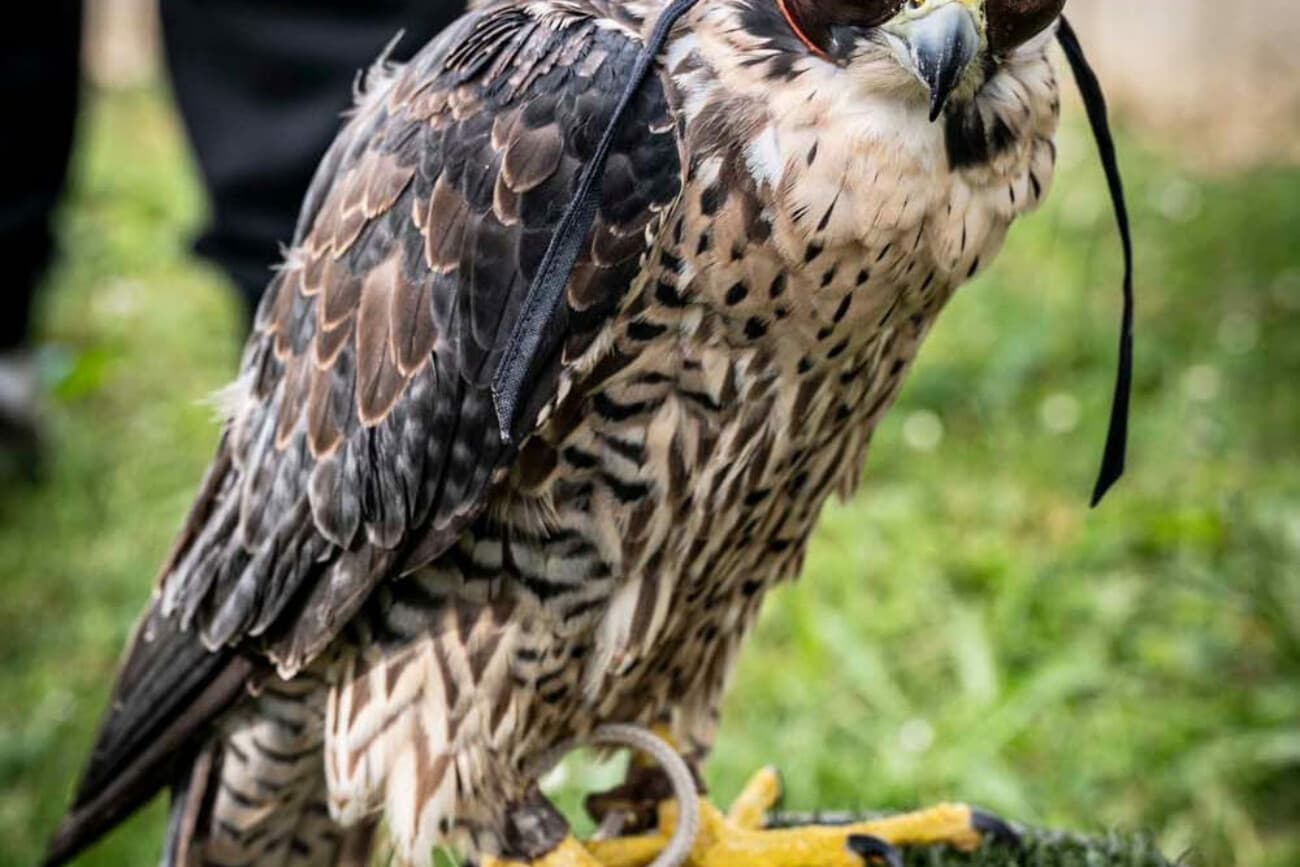
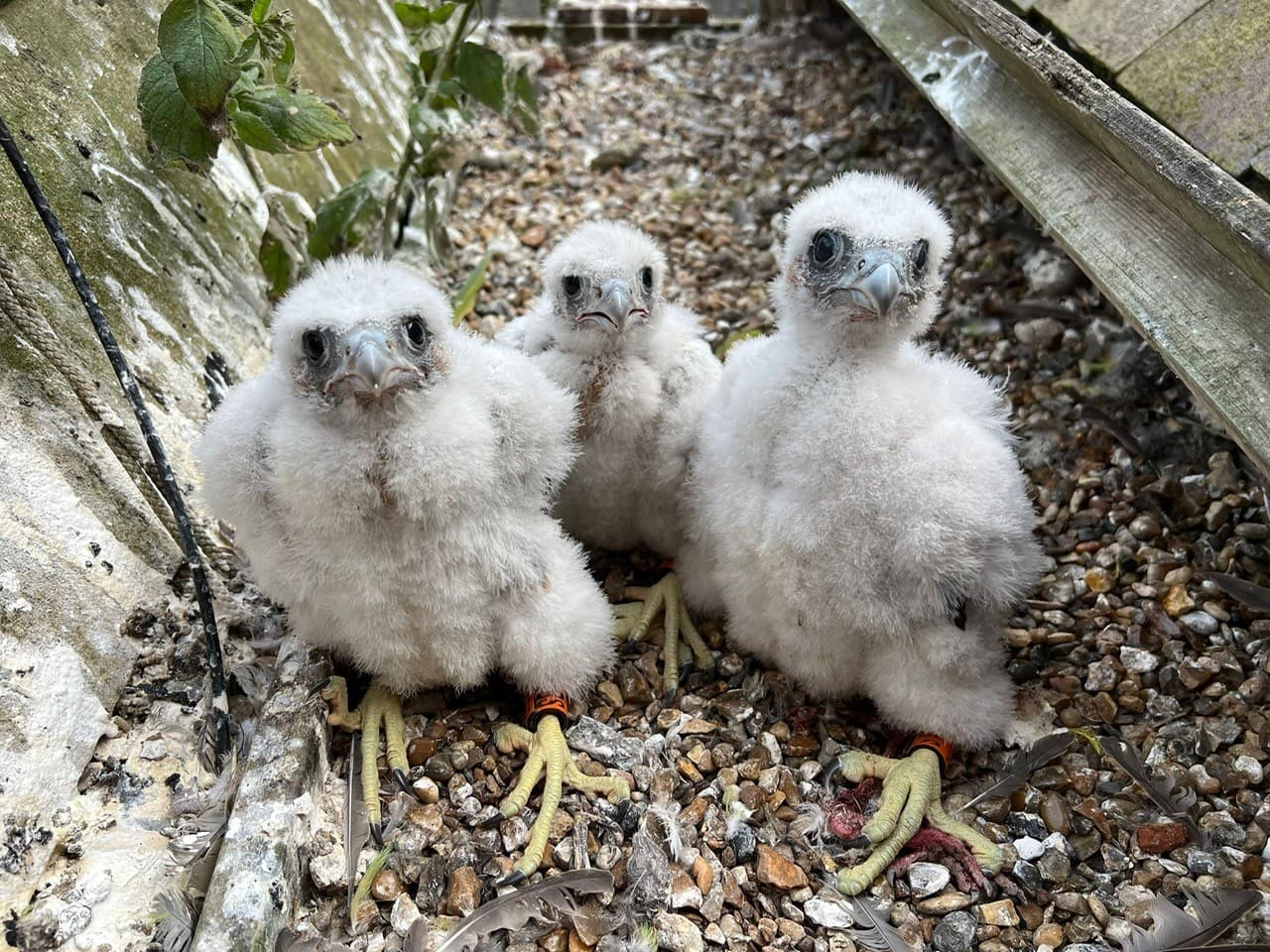
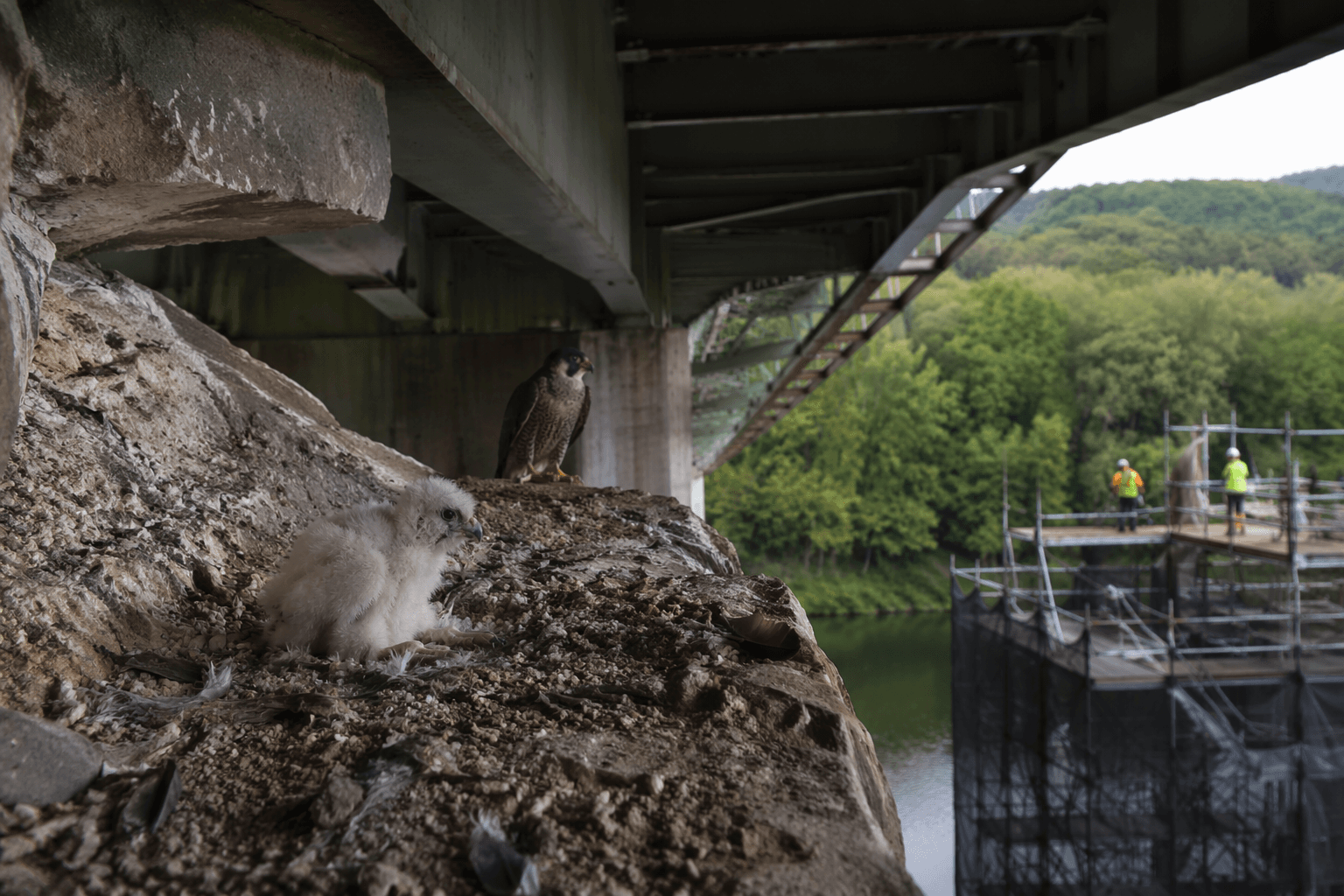
A young female peregrine falcon that fell from Chartres Cathedral spent nearly ten months relearning the skills that keep a raptor alive in the wild before she was returned to nature on June 10, 2026. The bird arrived as an eyas with no real flying or hunting experience, so the task was bigger than recovery from injury. It was a careful rebuild of a wild peregrine, one that had to leave rehabilitation strong enough to survive on her own and still wary enough to stay that way.
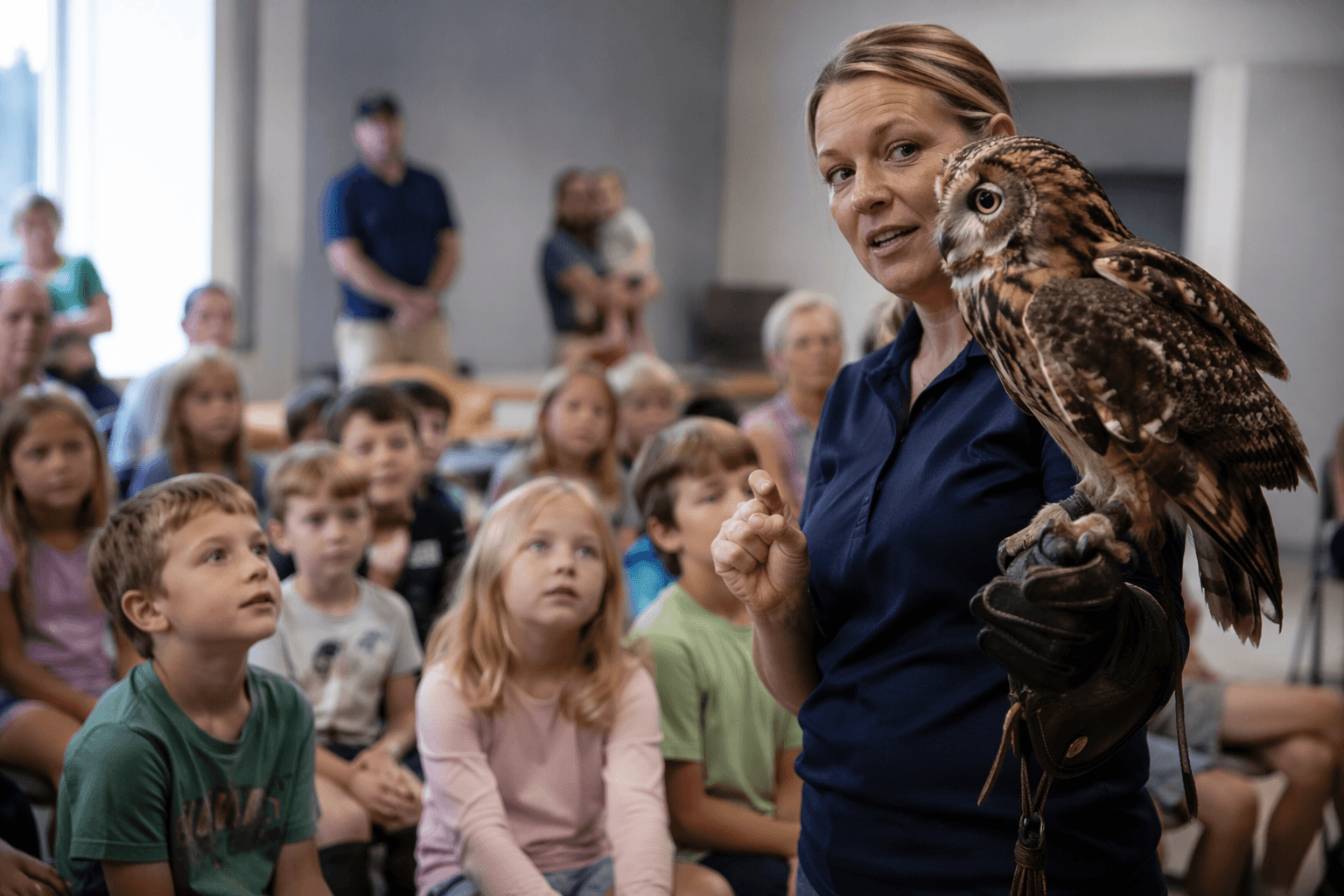
The work brought together wildlife rehabilitation centres, the French National Association of Falconers and Austringers, the French Biodiversity Agency and Avord Air Base. Thomas Garrido led the practical side for ANFA at Avord, drawing on falconry and wildlife-strike-prevention experience in a case that demanded exact handling. The bird needed enough structure to be monitored, trained and conditioned, but not so much human contact that she would be imprinted or softened for life outdoors.
That is where falconry expertise proved central. The team used limited falconry training for basic control, not to turn the falcon into a future hunting bird for the fist. The goal was the opposite: preserve her wildness while building the physical engine a peregrine needs. Over the course of the rehabilitation, the focus stayed on muscle, stamina, breathing capacity and flight quality. For a bird that hunts on speed and precision, those are not side notes. They are the whole game.
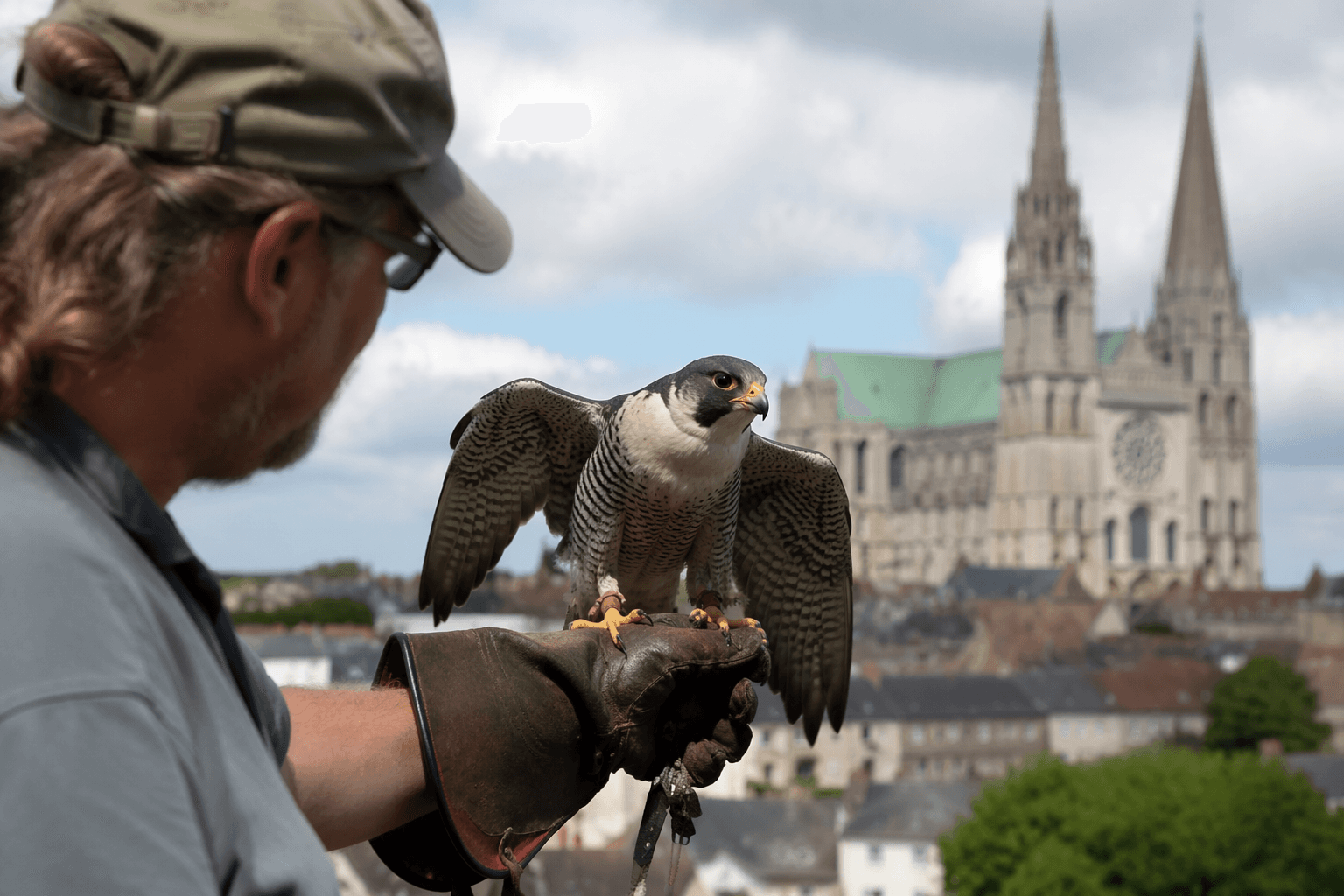
The Chartres case also sits inside a wider French comeback story for peregrines. Wildlife sources say the country had about 1,000 breeding pairs in the 1940s before numbers dropped to perhaps 150 pairs in the mid-20th century, as organochlorine pesticides such as DDT drove the decline. Protection and reintroduction helped reverse that slide, and the peregrine is now widely treated as a conservation success.
Falconry gives that recovery a longer frame. One French national-park source says the peregrine has been valued as a hunting bird for nearly 35 centuries, while a falconry heritage source puts the practice at four millennia and more. In Chartres, that old knowledge was not nostalgia. It was the toolset that helped a nest fall end with a raptor back in the sky, fit to hunt and free to remain wild.
This article was produced by Prism’s automated news system from verified source data, official records, and press releases, then run through automated quality and moderation checks before publishing. The system is built and supervised by the people who set the standards it runs under. Read our full AI policy.
Did this article answer your question?