HawkWatch raptors bring falconry outreach to weddings and birthdays
HawkWatch’s raptor ambassadors show how weddings, birthdays, and photo shoots can teach real respect for birds of prey, if welfare and education stay ahead of spectacle.
HawkWatch International is taking raptors where most falconers would never expect to see them: weddings, birthdays, company milestones, corporate teambuilding events, and private photography sessions. That shift raises the right question for anyone who cares about birds of prey: do these appearances deepen public respect, or do they turn a live raptor into a luxury prop?
Raptor outreach beyond the usual crowd
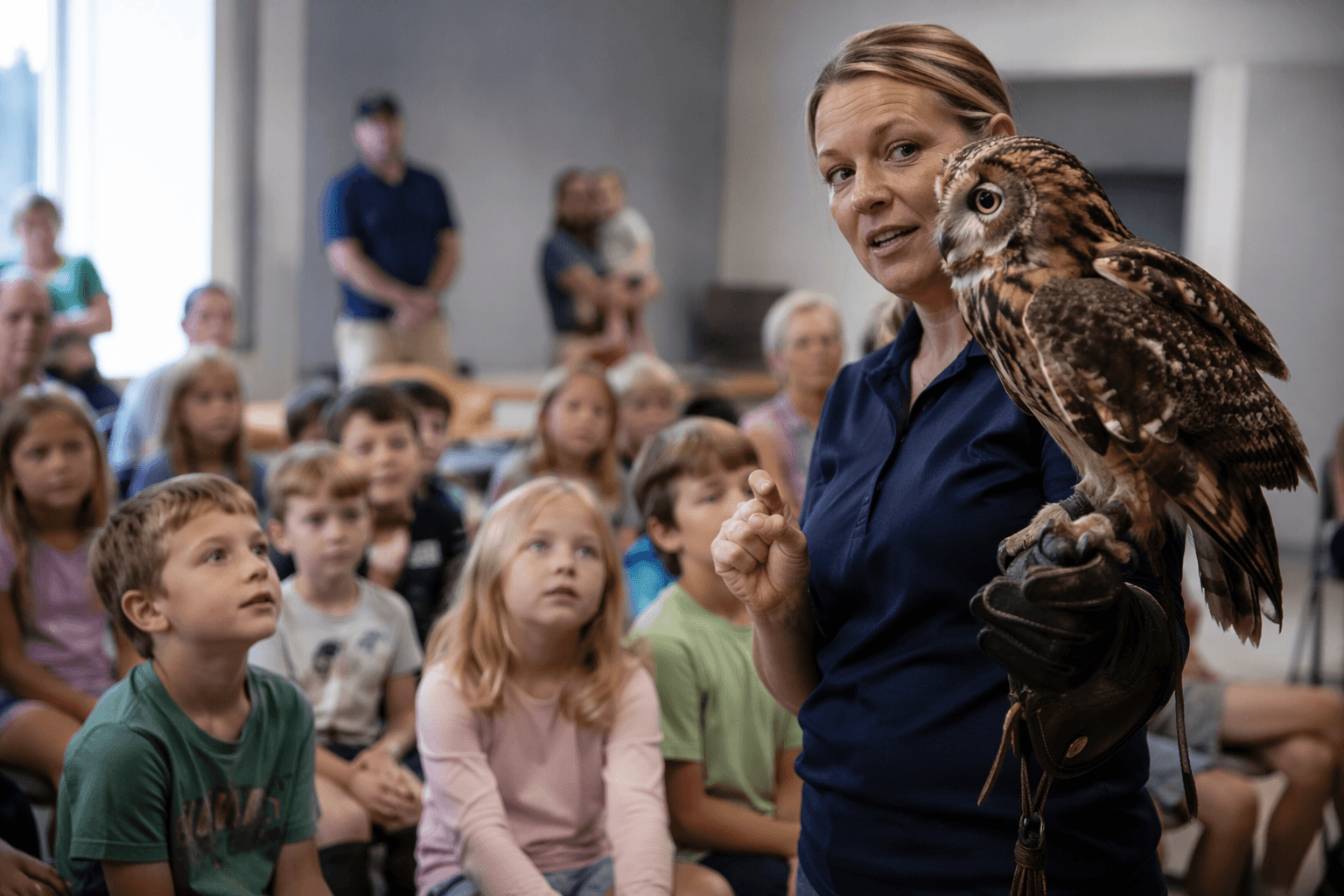
HawkWatch’s outreach model starts with a simple fact: its Raptor Ambassadors are non-releaseable birds of prey held under a special permit from the U.S. Fish and Wildlife Service. The organization says it works with a team of ten ambassadors and uses them to educate thousands of people each year, with more than half a million learners reached over time. Those numbers matter because this is not a one-off novelty act. It is a long-running part of HawkWatch’s history, and the group says it has been there since the organization’s earliest days.
What makes the program stand out in falconry-adjacent outreach is the setting. HawkWatch says its birds appear not just in schools and nature centers, but in private events and community programs where guests might have no reason to expect a live raptor at all. That includes birthdays, anniversaries, company milestones, and corporate teambuilding, along with custom lectures and school programs. In practice, the birds become the hook that gets people to pause, look closely, and ask better questions about raptor biology, handling, and conservation.
Why this model still matters in falconry circles
HawkWatch is blunt about the landscape around it: many raptor-education organizations have shifted away from traveling outreach and toward public-facing facilities where visitors come to the birds instead of the birds traveling to them. That makes HawkWatch’s outreach-based model less common, not more. For people in falconry, that detail matters because it sits right at the overlap of handling skill, public education, and bird welfare.
The upside is obvious when the program is done well. A guest at a wedding or a photographer on a private shoot might get a first real look at how a raptor carries itself, how it responds to a handler, and how much care goes into keeping it calm and secure. HawkWatch frames that experience as a way to create public education outside the usual classroom model, and that is exactly where the strongest outreach work tends to happen: in a setting memorable enough to stick, but controlled enough to keep the bird comfortable.

The risk is just as obvious. If the bird is there only because it looks dramatic in a photo, then the program slides from education into decoration. HawkWatch says it tries to balance public education with bird welfare, and that balance should be the standard any serious falconry community program is judged against. A live raptor can be the centerpiece of an event, but it should never be treated like set dressing.
What good raptor programming should look like
HawkWatch’s own model gives a practical checklist for evaluating falconry-adjacent outreach. The first marker is status: these are non-releaseable birds of prey, not birds being hauled out of the field for entertainment. The second is oversight: the birds are held under a special U.S. Fish and Wildlife Service permit. The third is mission: HawkWatch ties the program directly to conservation through education, long-term monitoring, and scientific research on raptors as indicators of ecosystem health.
Those pieces separate a meaningful ambassador program from a shallow animal appearance. In a good setup, the handler is not just showing off a bird, but translating the encounter into something the audience can remember later. The bird’s presence should answer basic questions about species, behavior, and care, while also making room for the larger conservation point. HawkWatch says its ambassadors have already connected more than half a million learners with raptors, nature, and conservation, which is a much stronger outcome than a room full of people saying a hawk “looked cool.”
For events like weddings and birthdays, the bar should be even higher. The bird should fit the venue, the noise level, and the audience size. The handler should control the pace of the interaction, not the crowd. And the educational piece should be built into the appearance, because a raptor without context is just an expensive photo opportunity.
Photography can be outreach when the bird is still the subject
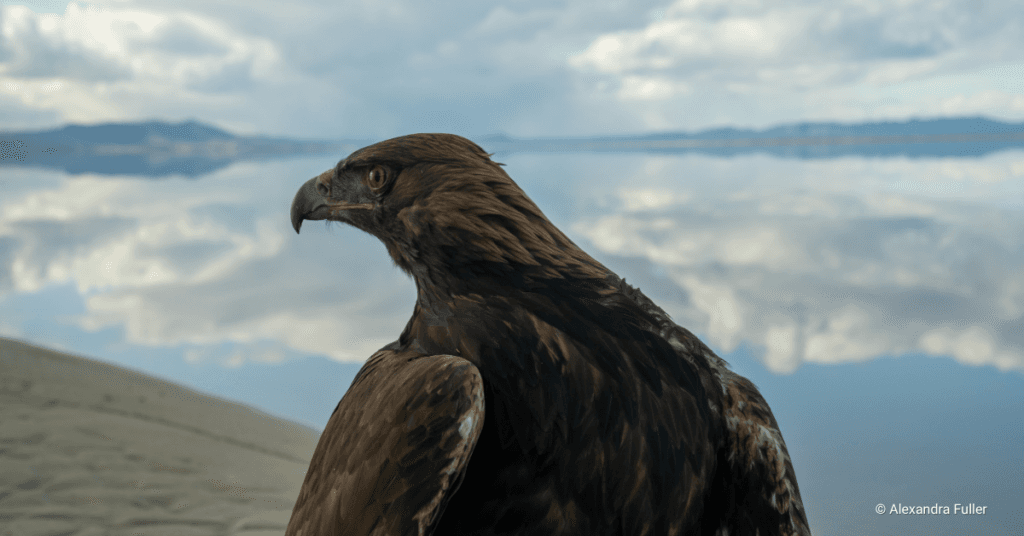
HawkWatch’s collaboration with photographer Alexandra Fuller shows how outreach can cross into art without losing its educational core. The organization says its Raptor Ambassadors were featured as subjects in Fuller’s exhibition, All Sketches Wish to Be Real, and that Chrys, a golden eagle ambassador, was among the birds tied to the opening. Fuller describes the project on her own site as a series of large-format cyanotypes made in collaboration with HawkWatch International.
That matters because photography is one of the easiest places for raptor work to go wrong. A bird can be flattened into a silhouette, a backdrop, or a gimmick if the image only serves mood. HawkWatch’s framing pushes the other way: the birds are not props, but subjects with agency, history, and conservation value. The result is a controlled environment that can still produce the kind of striking visual work photographers chase in the wild, without asking the photographer to pretend the welfare questions do not exist.
For falconers, that is the useful lesson. Strong outreach does not mean stripping the bird of its identity. It means building an encounter where the image, the audience, and the bird’s needs all point in the same direction.
The bigger takeaway for falconry outreach
HawkWatch’s ambassador work shows that raptors can do more than fly a field or sit on a glove for a demo. They can open conversations at a birthday party, anchor a private photography session, and make a wedding guest stop and think about what a raptor actually is. That kind of reach can build public respect fast, but only when the bird stays at the center of the program instead of being pushed to the edges as a prestige accessory.
The opening question is the one the community should keep asking: is the bird teaching people something real, or just decorating the room? In HawkWatch’s case, the answer is built into the model itself, with ten ambassadors, a special federal permit, and a mission tied to conservation education. That is the standard worth holding onto when raptors leave the classroom, step into a reception hall, and still manage to leave the audience knowing more than they did when they walked in.
This article was produced by Prism’s automated news system from verified source data, official records, and press releases, then run through automated quality and moderation checks before publishing. The system is built and supervised by the people who set the standards it runs under. Read our full AI policy.
Did this article answer your question?