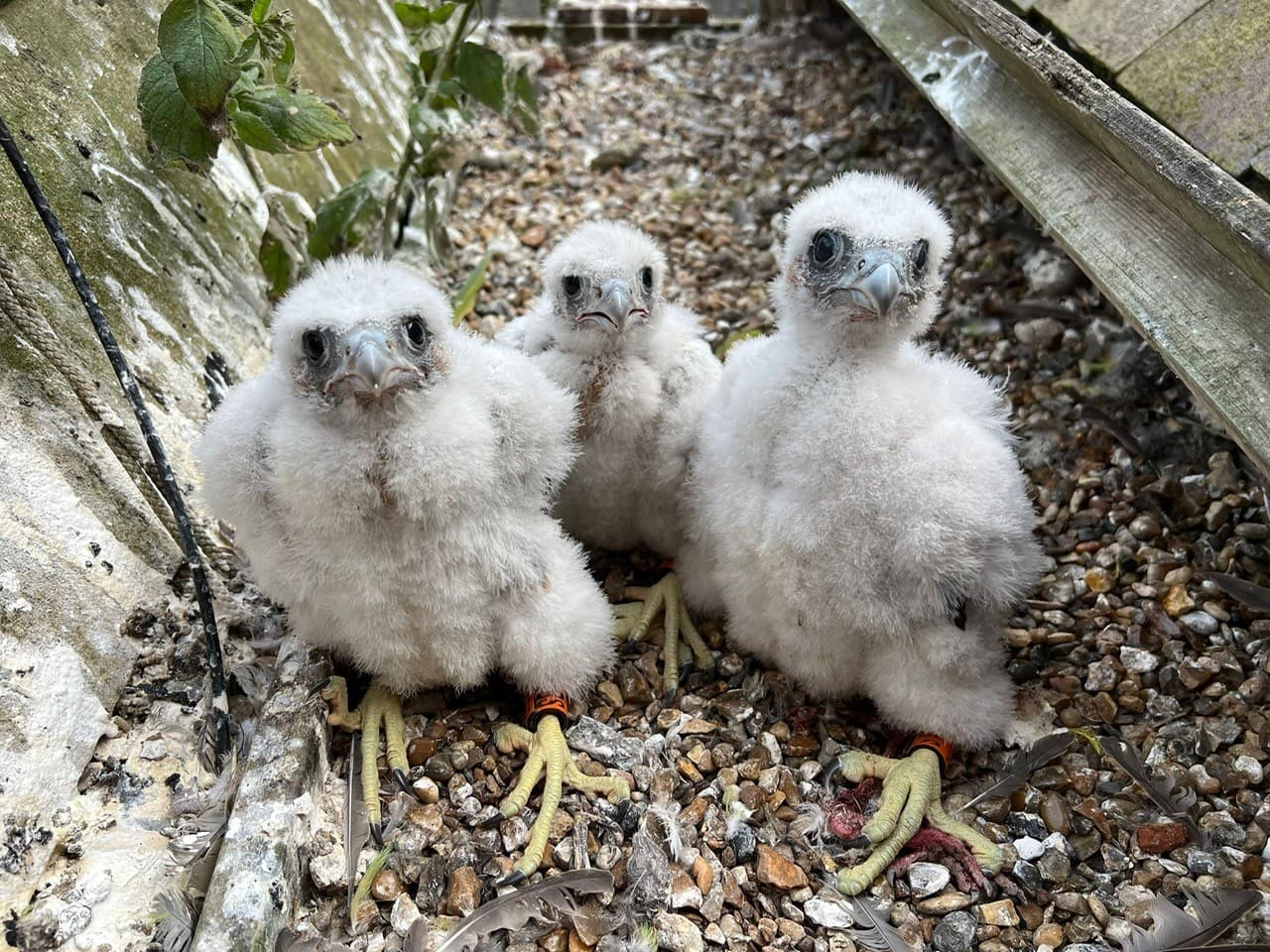
Rhode Island phases out rat poisons to protect raptors
Rhode Island has begun phasing out the rat poisons that work their way from bait boxes into hawks, eagles and owls. Consumer sales end in stages, with a raptor rehab center already treating dozens of exposed birds.
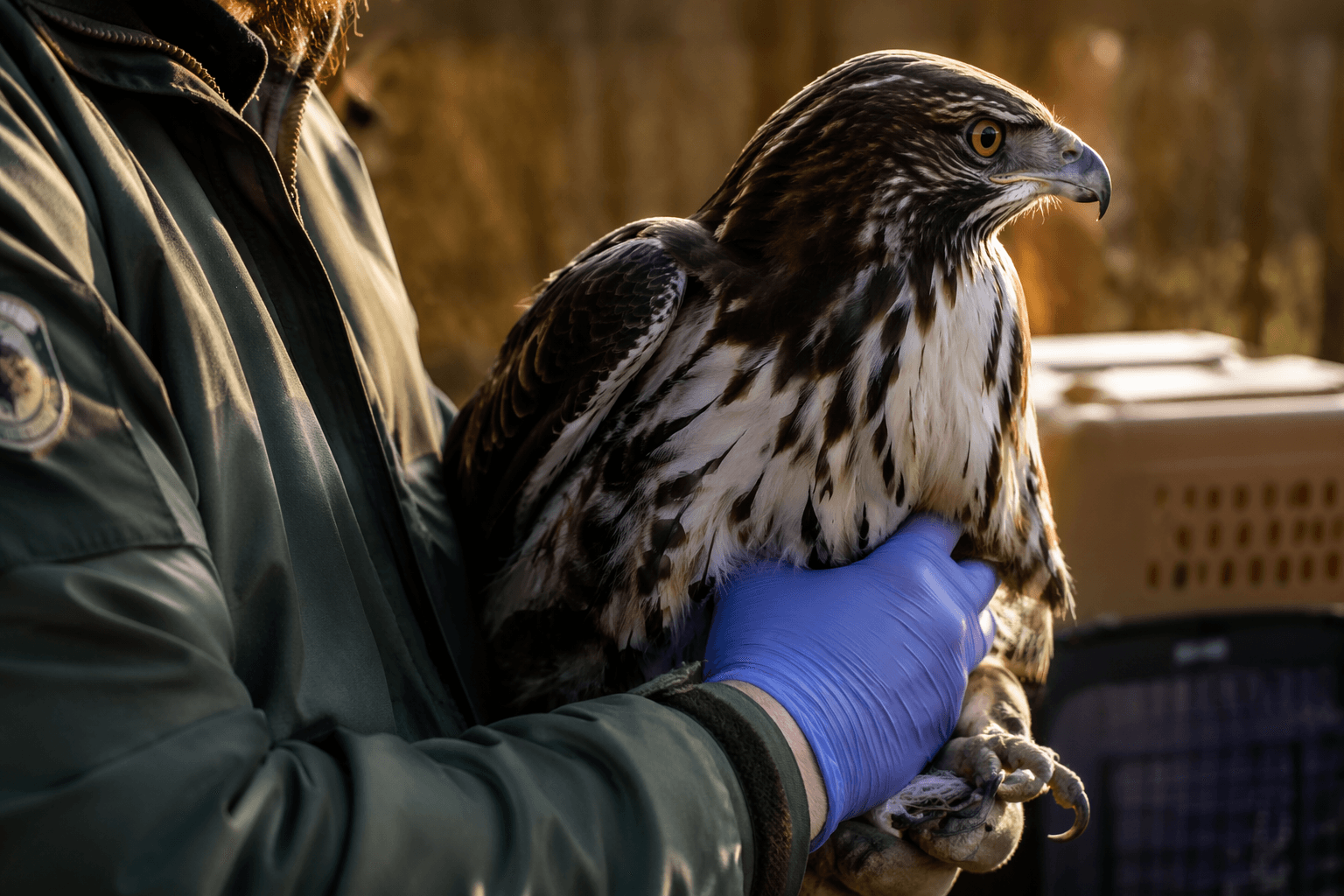
Rhode Island has started cutting off the consumer sale of the anticoagulant rodenticides that do the most damage to birds of prey, a move falconers and rehabbers will recognize as an attack on secondary poisoning at its source. Governor Dan McKee signed 2026-S 2795 / 2026-H 7222 on June 18, and the General Assembly publicized the law June 22. The new statute phases out first-generation anticoagulant rodenticides for consumers beginning March 1, 2027, then second-generation products on January 1, 2028, while leaving licensed commercial applicators exempt.
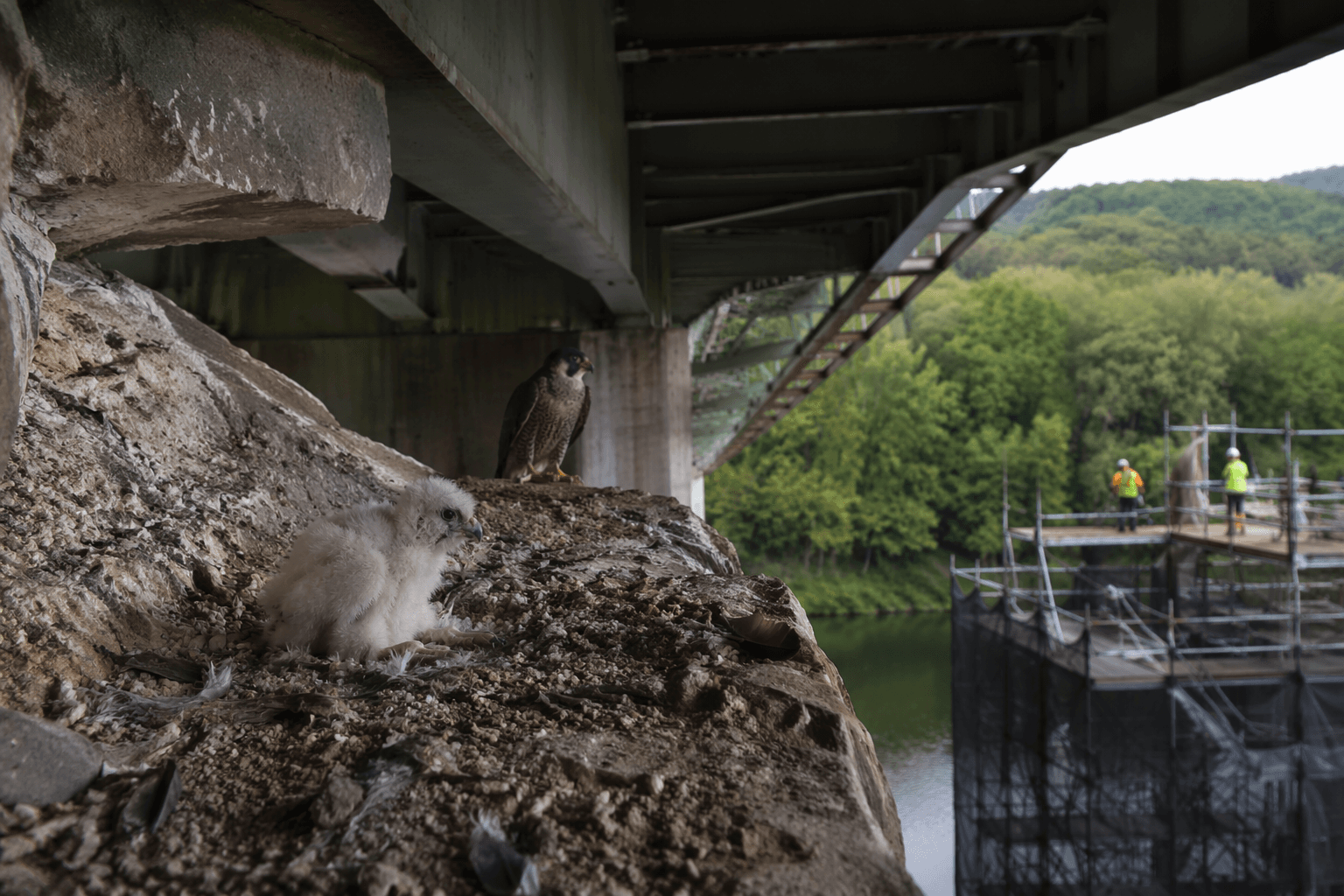
The practical effect is simple and direct: rats eat the bait, raptors eat the rats, and the toxin keeps moving up the food chain. The law’s backers say that is why a rat poison problem quickly becomes a hawk, eagle or owl problem. Second-generation anticoagulants are especially dangerous because they are potent enough to be lethal in a single dose, and birds of prey can consume thousands of rodents in a year. Chairwoman Melissa Murray, one of the sponsors, has said the products may be aimed at rodents but do serious harm to raptors and other wildlife because the toxins accumulate in animals that eat contaminated rodents.
The legislation does not stop at a sales ban. It also creates a voluntary municipal integrated pest management pilot program beginning July 1, 2026, aimed at giving towns safer ways to handle rats without leaning so hard on poison. The program is built around sanitation, landscaping changes, natural predators, manufactured alternatives to pesticides, and rat birth control. That staged approach matters in a state where public health officials, pest managers and wildlife advocates have all been pressuring lawmakers to balance rodent control with raptor conservation.
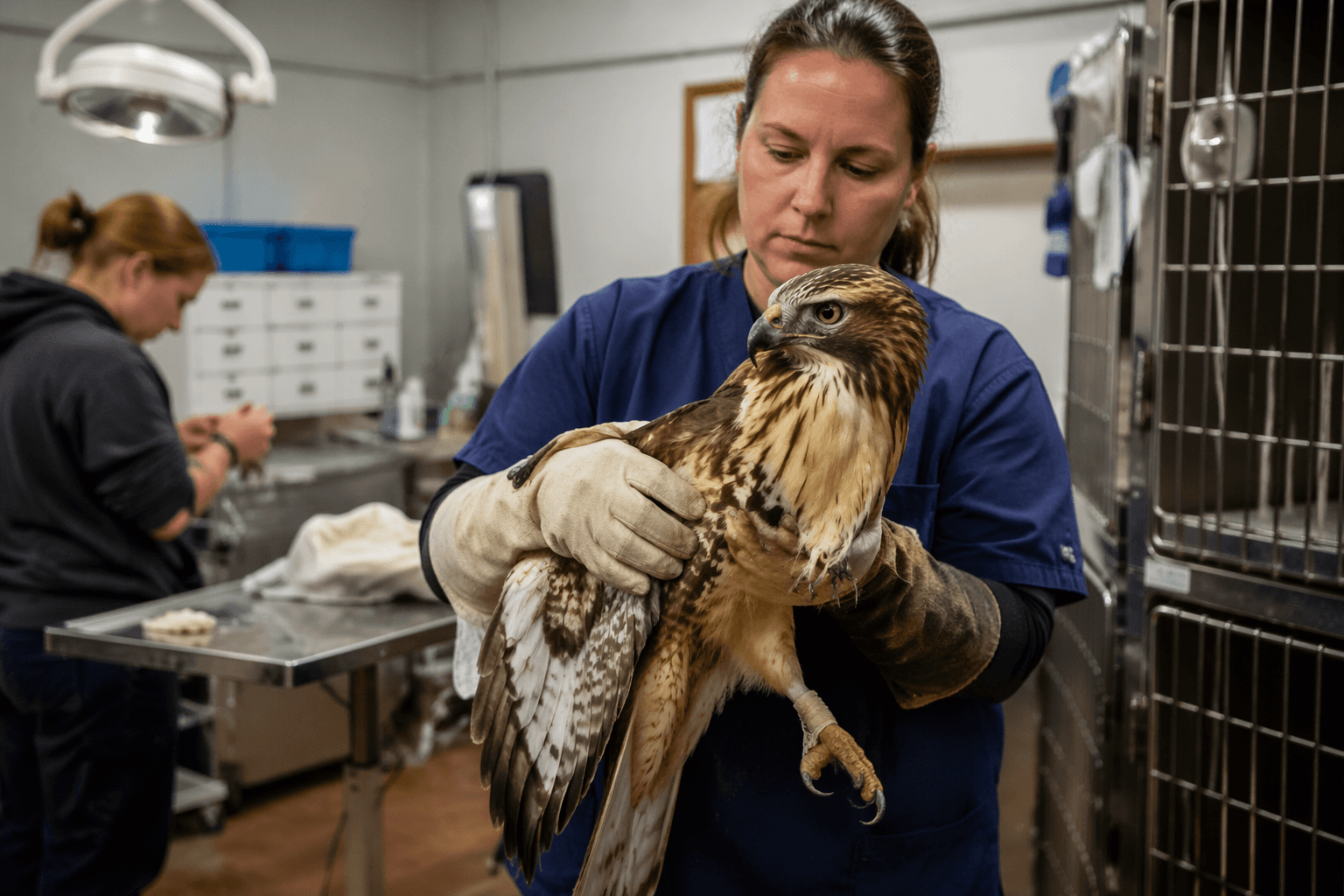
The birds tell the story better than any floor debate. Sheida Soleimani, founder and executive director of Congress of the Birds, said the Rhode Island center admitted 134 raptor patients in 2025, and every one was treated for second-generation anticoagulant rodenticide exposure. By March 2026, the center had already taken in 27 raptors with rodenticide exposure, ahead of the same point the previous year. In earlier testimony, Soleimani said Congress of the Birds admitted 148 birds of prey in the prior year and that 86 died or had to be euthanized because of anticoagulants. She also described a barred owl found near a rodenticide box at Brown University and a bald eagle found in Roger Williams Park that later died and tested extremely high for second-generation poisons.
Rhode Island is now described as the second state in the country to restrict these rodenticides, which is exactly why falconers are paying attention. The law does not solve every rat problem overnight, but it does start closing the loop that has been feeding poison from bait station to raptor.
This article was produced by Prism’s automated news system from verified source data, official records, and press releases, then run through automated quality and moderation checks before publishing. The system is built and supervised by the people who set the standards it runs under. Read our full AI policy.
Did this article answer your question?