Russia uses gyrfalcons as diplomatic gifts across the Middle East
Kamchatka gyrfalcons are doing double duty as conservation projects and prestige gifts, turning falconry into a quiet tool of Russian statecraft in the Gulf.
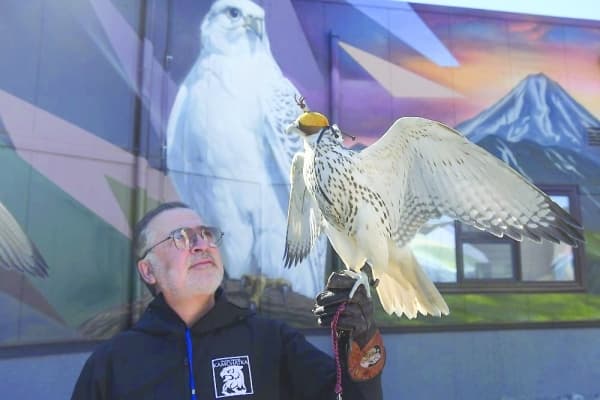
When Vladimir Putin handed a Kamchatka gyrfalcon to King Salman bin Abdulaziz Al Saud and another to Mohammed bin Zayed Al Nahyan on his 2019 Gulf trip, he was using a raptor that carries real cachet in falconry countries, not a generic state gift. The bird works as a symbol, a bargaining chip, and a conservation talking point all at once.
A gift that lands differently in falconry country
In the Gulf, a falcon is not just decorative diplomacy. In the UAE, the falcon appears on Emirati passports and government logos and stands for valor and courage. A gifted gyrfalcon is received inside a culture where hawking heritage, rank, and national identity still matter.
Putin’s Kamchatka birds carried more weight than a plaque or a carved object ever could. In states where falconry still signals status, a rare raptor from Russia’s far east becomes a high-value token of trust across the Middle East.
Kamchatka’s breeding center gives the story its hard edge
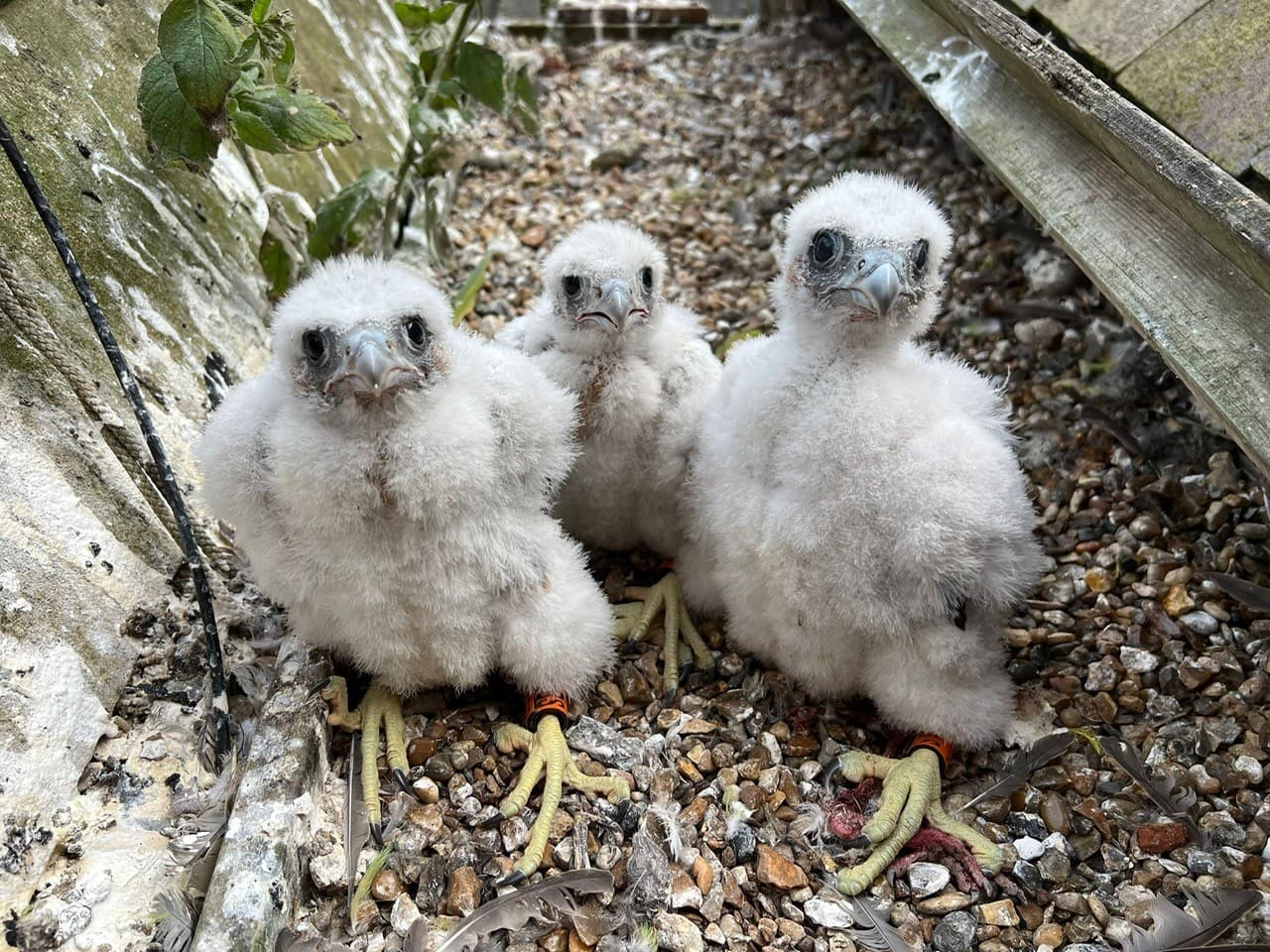
The Kremlin says the Kamchatka International Centre for the Reproduction and Conservation of Rare Species of Birds of Prey is operating near Cape Sharomsky in the Milkovsky District of Kamchatka Krai, and that Putin was briefed on the project during his September 5, 2022 trip to Kamchatka. The center was created under presidential instructions to address the disappearance of white gyrfalcons, which the Kremlin describes as the most valuable and rare species of Falconiformes.

The project covers up to 300 hectares, and it was created to reproduce gyrfalcons for the first time in Russia. That breeding infrastructure shifts the bird from wild resource to managed asset. Once a country breeds the birds itself, every gifted falcon carries a supply-chain story as well as a prestige story.
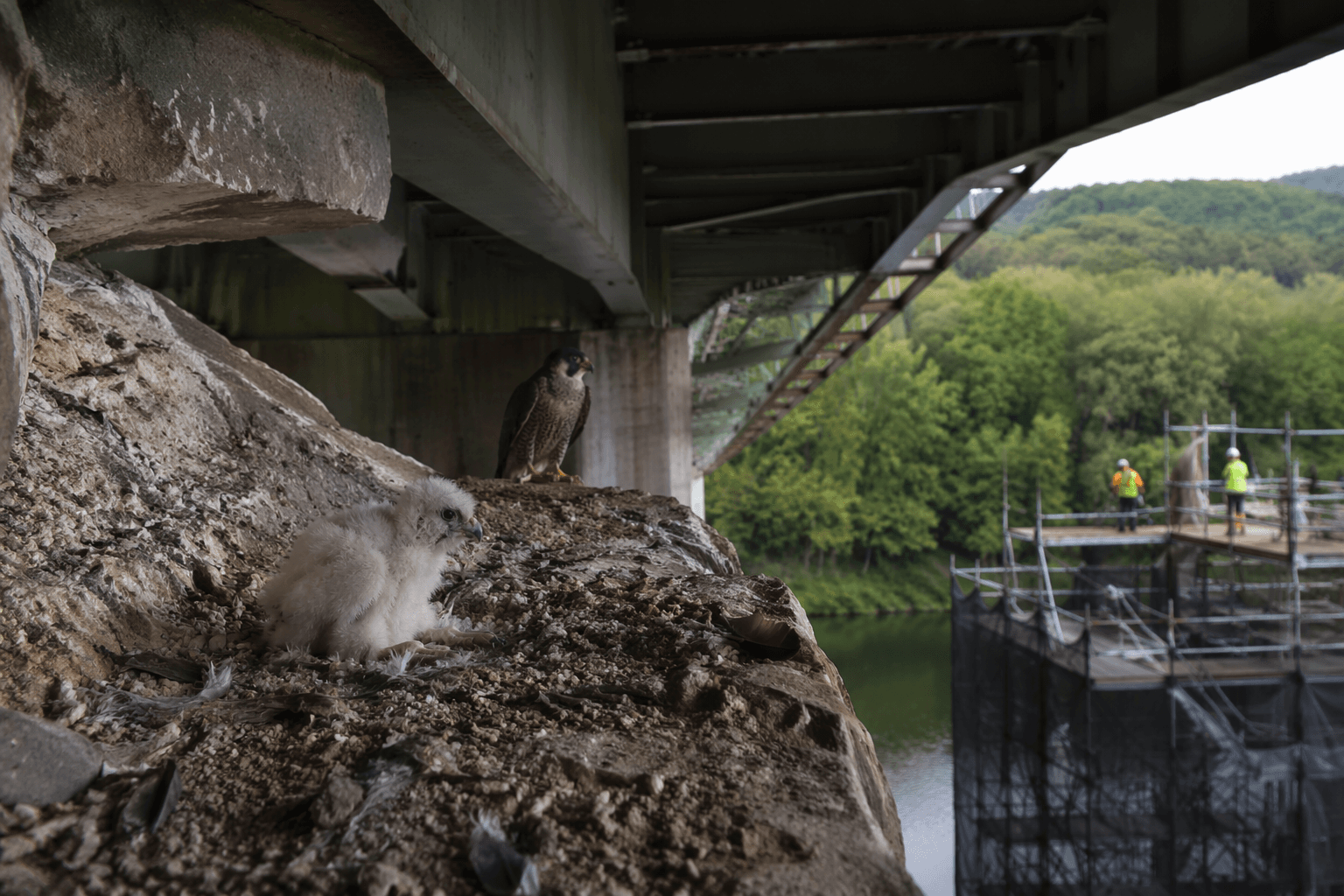
Gyrfalcons are listed in Russia’s Red Book because the population is falling fast, mainly because of poaching for falconry. BirdLife says the species is threatened by egg and chick collection for the falconry market and estimates that 1,000 to 2,000 gyrfalcons are killed annually by trappers in Siberia.
Why the public conservation line and the strategic value fit together
A breeding center lets Russia present itself as a steward of rare wildlife while also creating a pipeline of birds that can be deployed in elite exchanges. The same bird that is framed as protection work at home becomes a diplomatic gesture abroad, and the conservation narrative and the statecraft narrative do not cancel each other out.
The Kamchatka center is the clearest example, but it is not the only piece of the architecture. The broader plan includes the International Falconry Centre Volga in the Nizhny Novgorod Region, a future network hub for breeding and conservation.

Falcon Day shows how the state is institutionalizing the message
Russia has also built a forum structure around the same theme. The first Falcon Day International Forum was held in Vladivostok on September 10, 2023, the second was scheduled for September 3, 2024, and the third took place on September 3, 2025. The event has moved from one-off symbolism to a recurring diplomatic platform.
By 2025, the Falcon Day program included a session on the legal framework and successful practices for conservation and reintroduction of falcons. The message had expanded beyond showcasing birds to law, ecology, and reintroduction alongside economics and regional cooperation. The forum is managed by the Roscongress Foundation and backed by Russia’s Ministry of Natural Resources and Environment.
What falconers should take from the Kamchatka playbook
A bird can be a conservation project, a breeding line, a status symbol, and a diplomatic gift without those roles being separate. Russia’s Kamchatka gyrfalcons sit at the intersection of all four, which is why they travel so well between breeding centers, presidential briefings, and Gulf palaces.
This article was produced by Prism’s automated news system from verified source data, official records, and press releases, then run through automated quality and moderation checks before publishing. The system is built and supervised by the people who set the standards it runs under. Read our full AI policy.
Did this article answer your question?