State biologists band five peregrine falcon chicks at UMass Lowell
Five peregrine chicks at UMass Lowell were banded and entered into state tracking, giving Massachusetts a full rooftop clutch to monitor this summer.

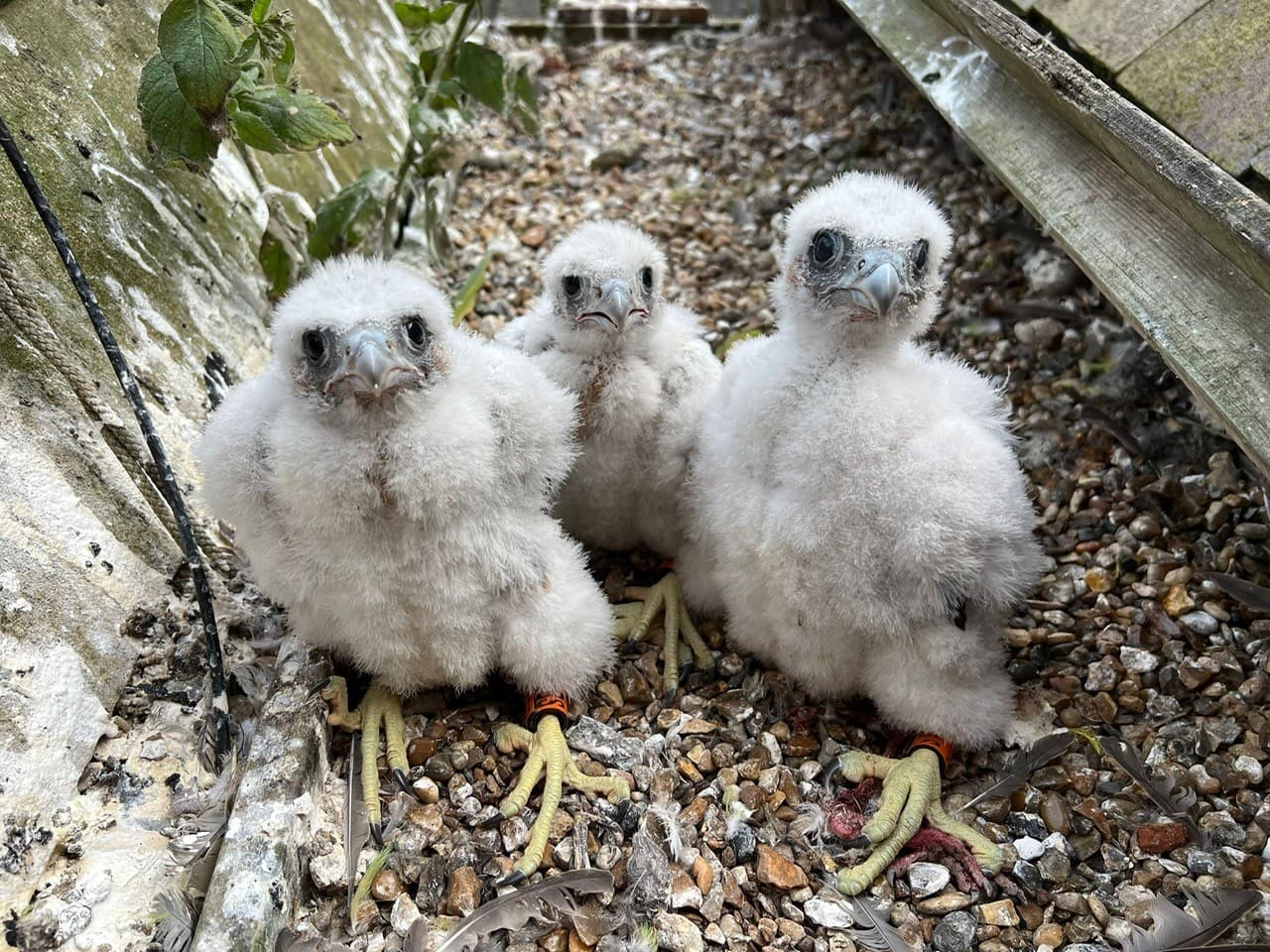
Five peregrine falcon chicks on the roof of UMass Lowell’s Fox Hall went from campus spectacle to statewide study when biologists banded them Monday. The clutch, two females and three males, is the kind of strong result that tells falconers the nest is productive and worth watching closely.
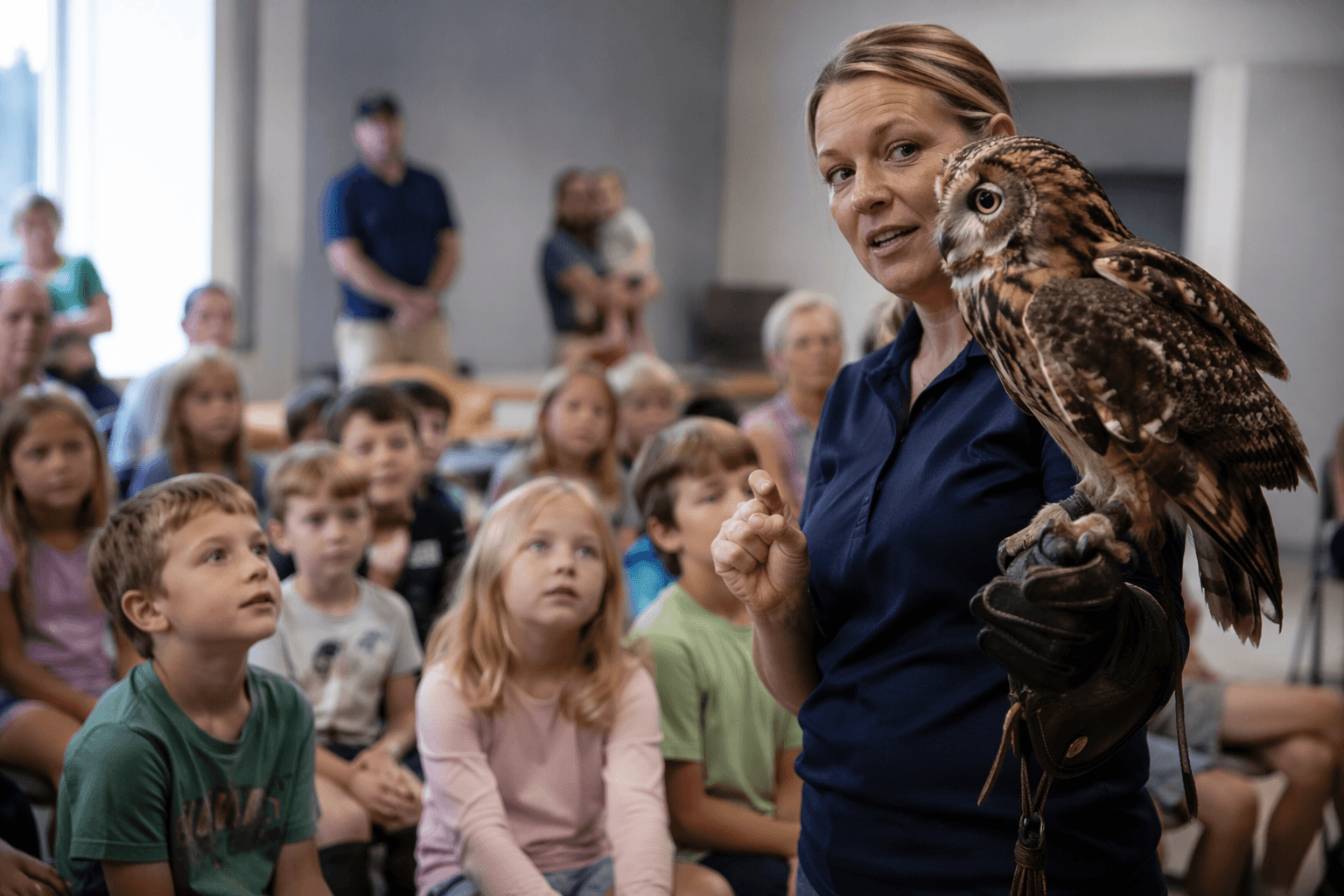
State biologists from the Massachusetts Division of Fisheries and Wildlife and the Massachusetts Department of Transportation’s Wildlife and Endangered Species Unit visited the nest box to check the chicks’ health, determine their sex and fit each bird with a numbered metal leg band. Those bands let conservationists follow the young falcons over lives that typically run about 10 years. The chicks were returned to the box about an hour later.

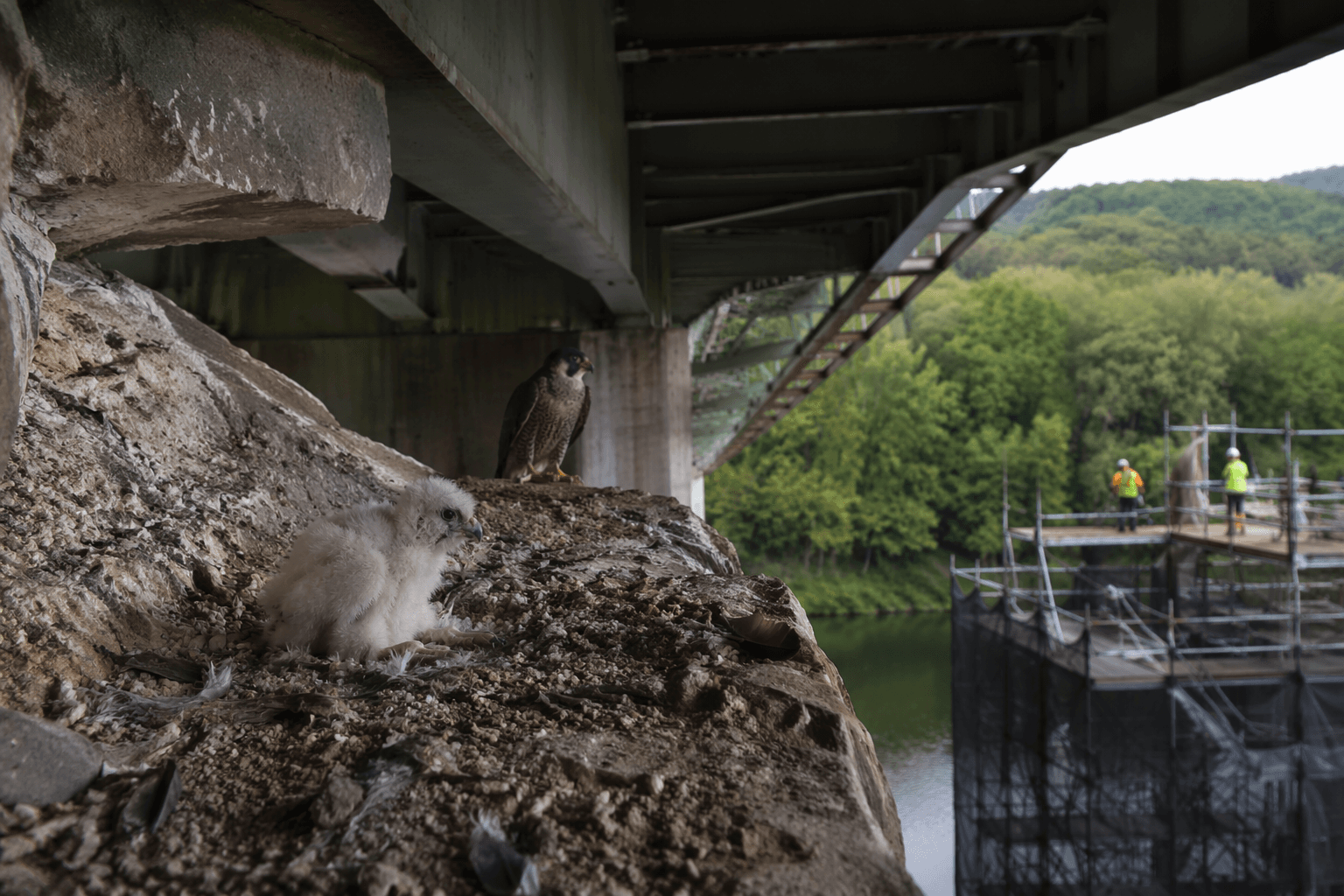
UMass Lowell said the birds hatched in May in a nest box perched on Fox Hall, the tallest building in Lowell. The university also said staff, students, volunteers and associate professor Nicolai Konow watched the banding on video monitors inside the building. The nest box is monitored year-round, and live cameras keep the resident falcons in view for anyone following the rooftop pair.
The young birds are part of a much longer recovery story. Peregrine falcons were wiped out of nesting sites in the eastern United States by the mid-1960s because of DDT, and restoration work followed the 1972 ban on the pesticide. Massachusetts says the first modern nest in the state came after releases in downtown Boston in 1987, and biologists now estimate nearly 50 territorial pairs across the state. Peregrines are listed in Massachusetts as a species of special concern, but they now breed annually and remain in the state year-round.

For UMass Lowell, the nest is tied to the school’s River Hawks identity and to a bird that has already become part of campus lore. The female falcon Merri has nested there for years after her mate Mack died unexpectedly in June 2014. This year’s banding also marks the 40th anniversary of Massachusetts’ peregrine banding and restoration efforts, another reminder that the five chicks on Fox Hall are no longer just campus birds. They are now part of the statewide ledger, headed for new territory in August.
This article was produced by Prism’s automated news system from verified source data, official records, and press releases, then run through automated quality and moderation checks before publishing. The system is built and supervised by the people who set the standards it runs under. Read our full AI policy.
Did this article answer your question?