Fliteboard riders turn to owner groups and forums for real-world advice
The fastest eFoil fixes are happening in Fliteboard owner groups, not in product specs. Riders are trading setup, launch, and range advice in groups that already have nearly 10,000 members.

Where Fliteboard riders get unstuck fastest
The quickest way to waste less time on the water is to stop treating eFoil learning like a solo experiment. Around Fliteboard, the real-world answers are coming from owner groups, brand forums, and rider communities where people compare setup, conditions, battery range, and the small adjustments that separate a shaky first session from a clean ride.
That matters because this is not just social chatter. In the Fliteboard world, the community has become part of the product experience itself, with riders using it to solve launch mistakes, troubleshoot repairs, compare models, and figure out what actually works in local conditions.
The groups that solve different problems
The most obvious starting point is the Fliteboard Owners Group, a vibrant Facebook community with nearly 10,000 members. It is the kind of place where a new rider can ask about stance, mast feel, or first-session nerves and get answers from people who have already made the same mistakes.
The broader eFoil Group is useful for a different reason: it brings riders across brands into the same conversation. That makes it a better spot for comparing how one board feels against another, or for hearing how riders across the sport handle launch technique, battery management, and conditions that look easy on paper but turn messy in real water.
Then there are the smaller local groups, and those can be even more practical. Fliteboard Owners USA, Fliteboard Owners South Australia, and regional communities around cities like Seattle give riders a way to talk about local etiquette, launch sites, and the realities of riding specific stretches of coast or inland water. That local angle is often what saves the most time, because eFoiling is as much about reading a spot as it is about riding the board.
The forum layer is where the technical fixes live
For riders who want less talk and more troubleshooting, the e-Surfer forum’s eFoil category is where the technical side gets detailed. Threads there go back to February 2018, and the discussions are the kind that matter when a board feels off or a setup change changes everything.
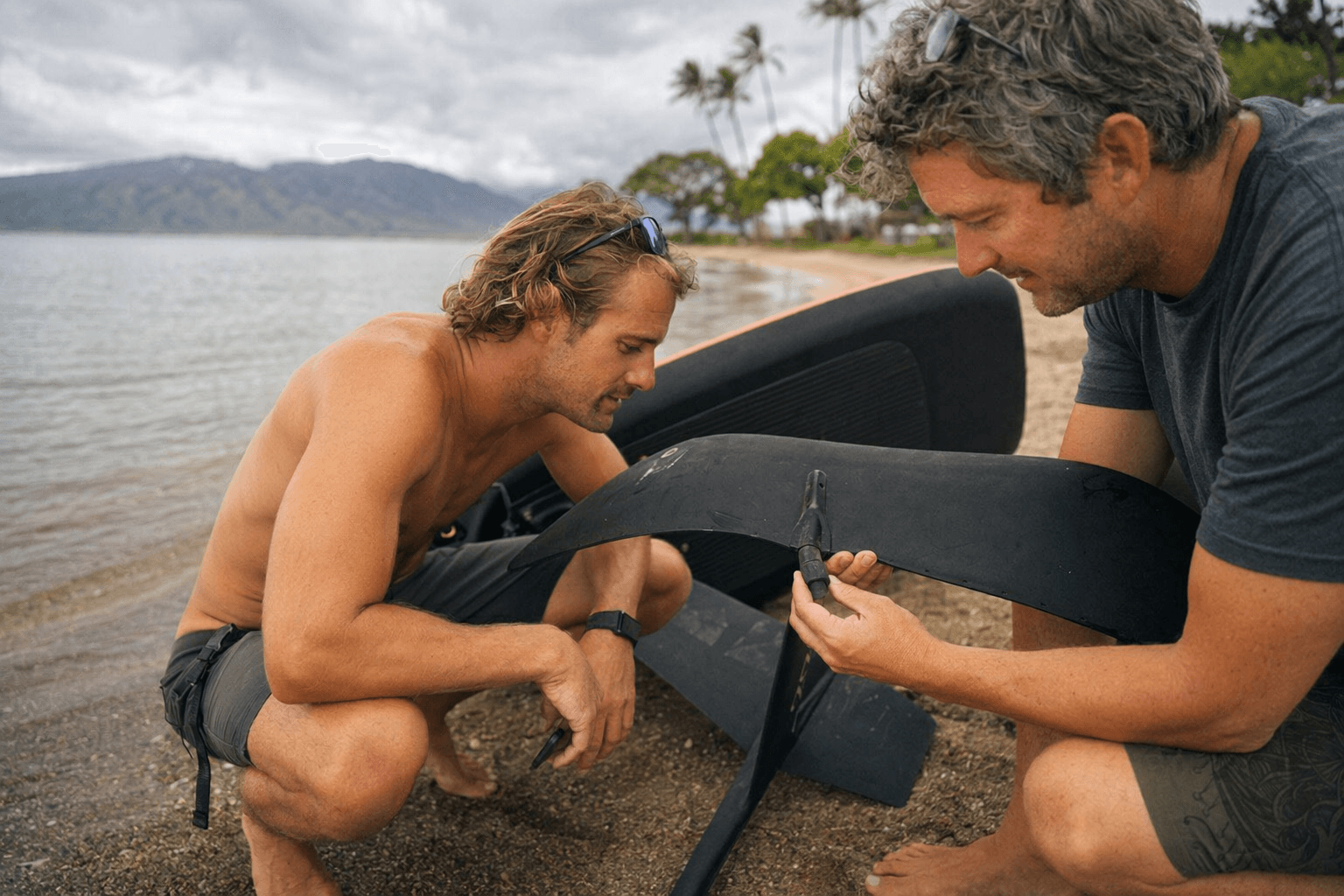
The topics are specific enough to be useful right away. Riders there discuss screw sizes, propeller changes, tuning, model comparisons, repair issues, modules, and local service questions. That gives the forum a different role from the social groups: one is about shared experience, the other is about fixing the thing that is keeping you off the water.
For a rider trying to get better without wasting sessions, that distinction is huge. Social groups help you figure out what to try next; forums help you figure out why something is not working now.
The creator list shows how wide the conversation has become
Fliteboard’s own community recommendations point riders toward Adam Bennetts, Tom Court, Matt McVeigh, Justin Chait, Mike Smith, Paul Davies, Moona Whyte, Paula Novotna, Antonella, and Rachael Tilly. The mix is telling. It is not just one type of rider speaking to one type of audience; it is a cross-disciplinary culture where wingfoil champions, surf and kite athletes, instructors, team riders, and creators all overlap.
That matters because a lot of eFoil progress comes from borrowing ideas across disciplines. A rider watching Tom Court or Moona Whyte is not just looking for style points. They are looking for body position, timing, and the kind of movement habits that translate across foiling sports.
Fliteboard also reinforces that rider-generated content is part of its community strategy. The brand encourages riders to tag @Fliteboard for a chance to be featured, which turns everyday sessions into public reference points for other riders trying to learn faster.
Why Fliteboard’s origin story still shapes the community
The community makes more sense when you remember where the brand began. Fliteboard says the idea started in 2016, when founder David Trewern imagined a self-propelled hydrofoil after wanting to go out on his kitefoil when there was no wind. The company says dozens of prototypes were built before his first successful ride.
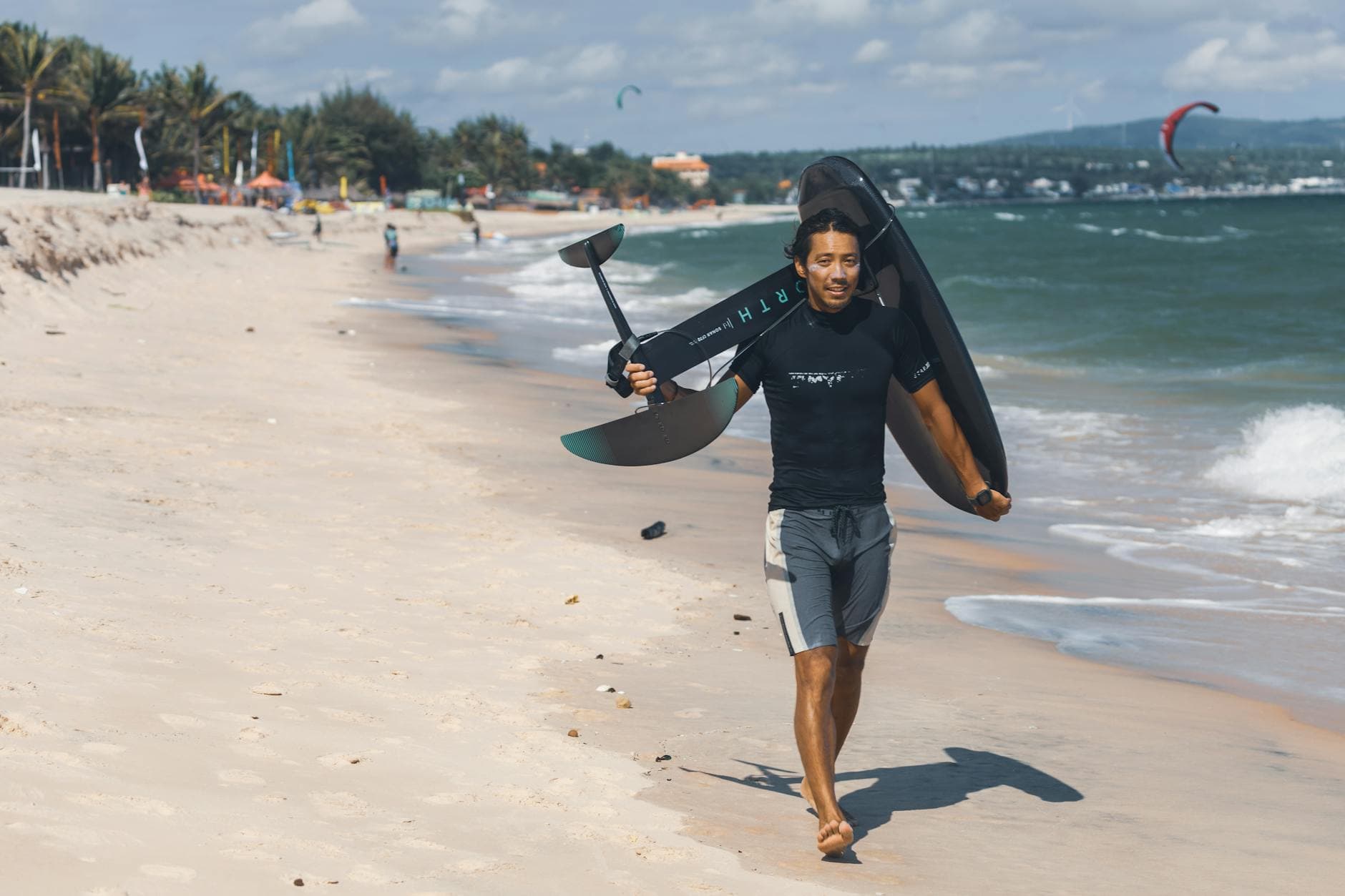
That kind of origin story explains why the rider community feels so hands-on. Fliteboard did not grow out of a distant, polished corporate playbook. It grew out of tinkering, testing, and a willingness to keep refining until the water finally gave an answer back. The company is based in Byron Bay, New South Wales, and that Australian roots story still gives the whole community a DIY edge even as the audience has become global.
Why the English Channel crossing still gets attention
The sport’s maturity shows up in the kind of achievements riders now talk about. On August 12, 2021, Rob Wylie and Morgan Wylie completed the first non-stop eFoil crossing of the English Channel. Reports say the ride covered about 37.8 kilometers, or 23 miles, and was done on a single battery charge.
That is the sort of stat that travels fast in any foil community because it changes the way people think about range, endurance, and what the platform can do outside a casual lake lap. It also gives the forums and owner groups a sharper purpose: when a board is being pushed toward records, every detail on tuning, conditions, and reliability suddenly matters to everyone else too.
Why these channels speed up progression
Taken together, the owner groups, the broader brand-agnostic forums, and the rider and creator ecosystem form a practical map for anyone trying to improve. The social groups are where riders compare notes on launches, local etiquette, and what conditions are worth the drive. The forums are where the technical fixes live, from prop changes to repair questions. The creators show what good riding looks like when style, control, and progression come together.
Fliteboard’s YouTube channel, with 13.5K subscribers, adds another layer to that ecosystem by giving riders a place to watch, learn, and then go back to the groups with better questions. That loop is what makes the community valuable: it turns isolated attempts into shared knowledge.
For a sport built on feel, tiny setup changes, and a lot of trial and error, that shared knowledge is often the fastest upgrade available.
Know something we missed? Have a correction or additional information?
Submit a Tip