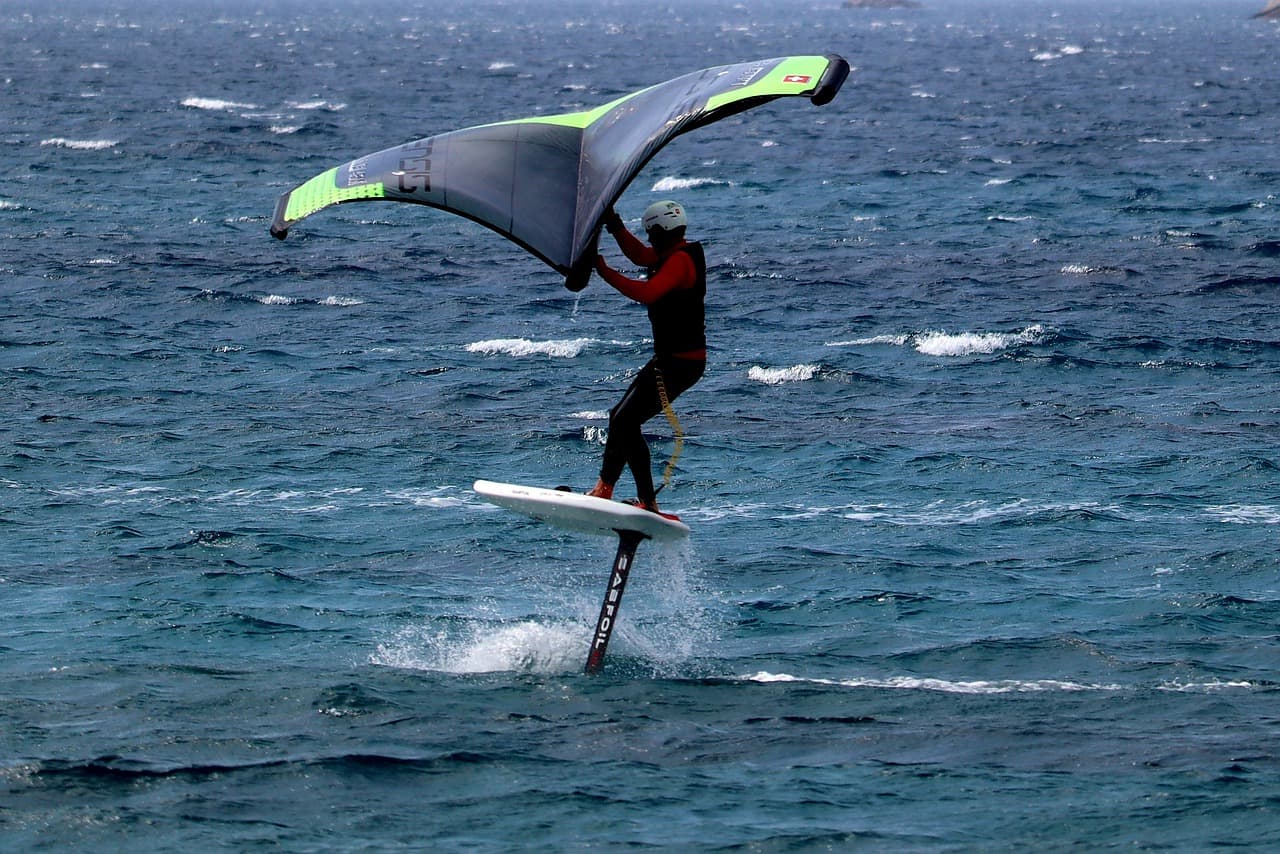
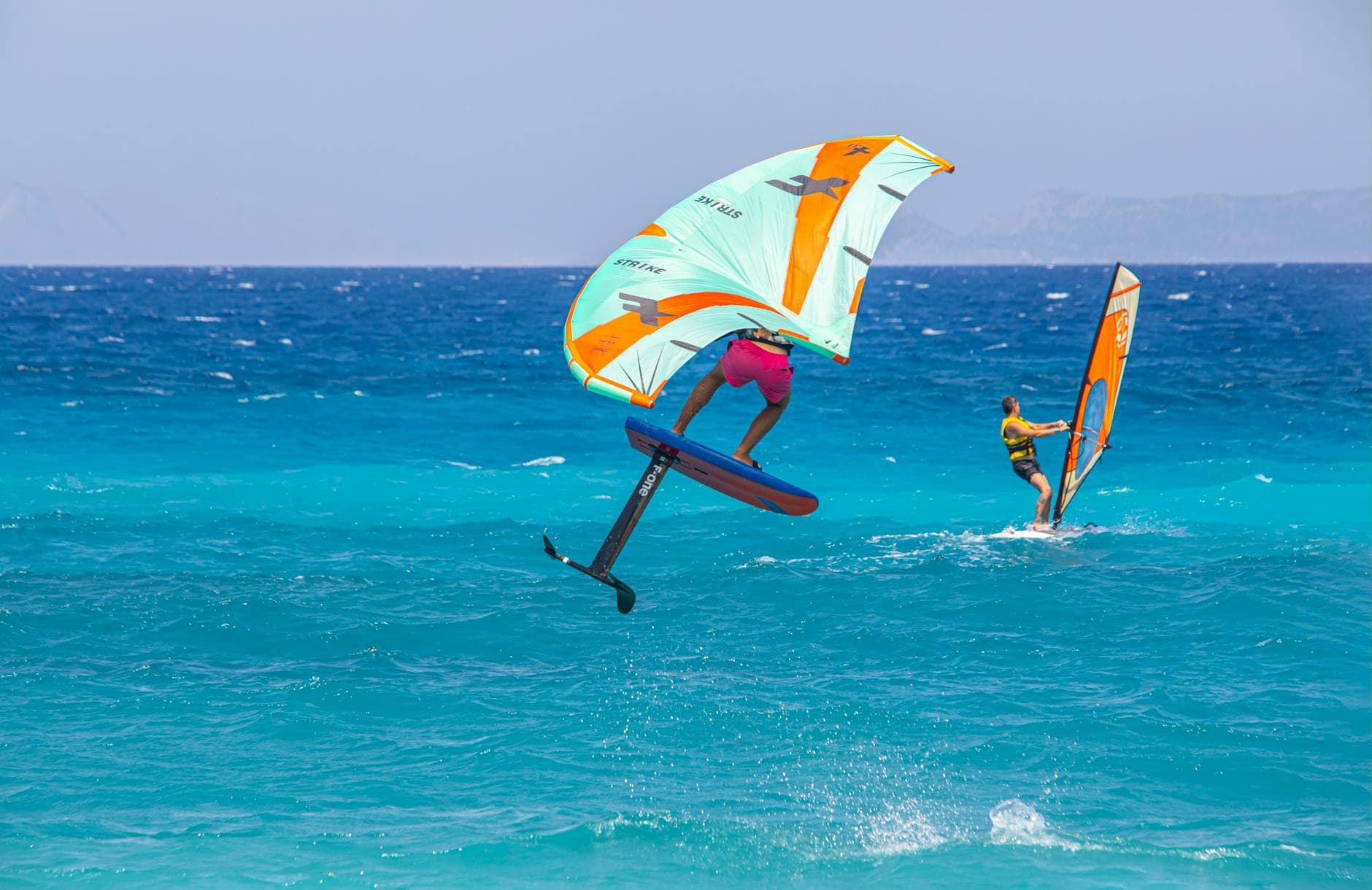
How to Choose the Right Hydrofoil, Without Buying the Wrong Gear
The cheapest mistake is choosing the wrong wing, not the wrong brand. A $600 to $1,200 beginner setup can ride better than a flashy carbon build if the foil matches your style.
Why the front wing should decide your budget first
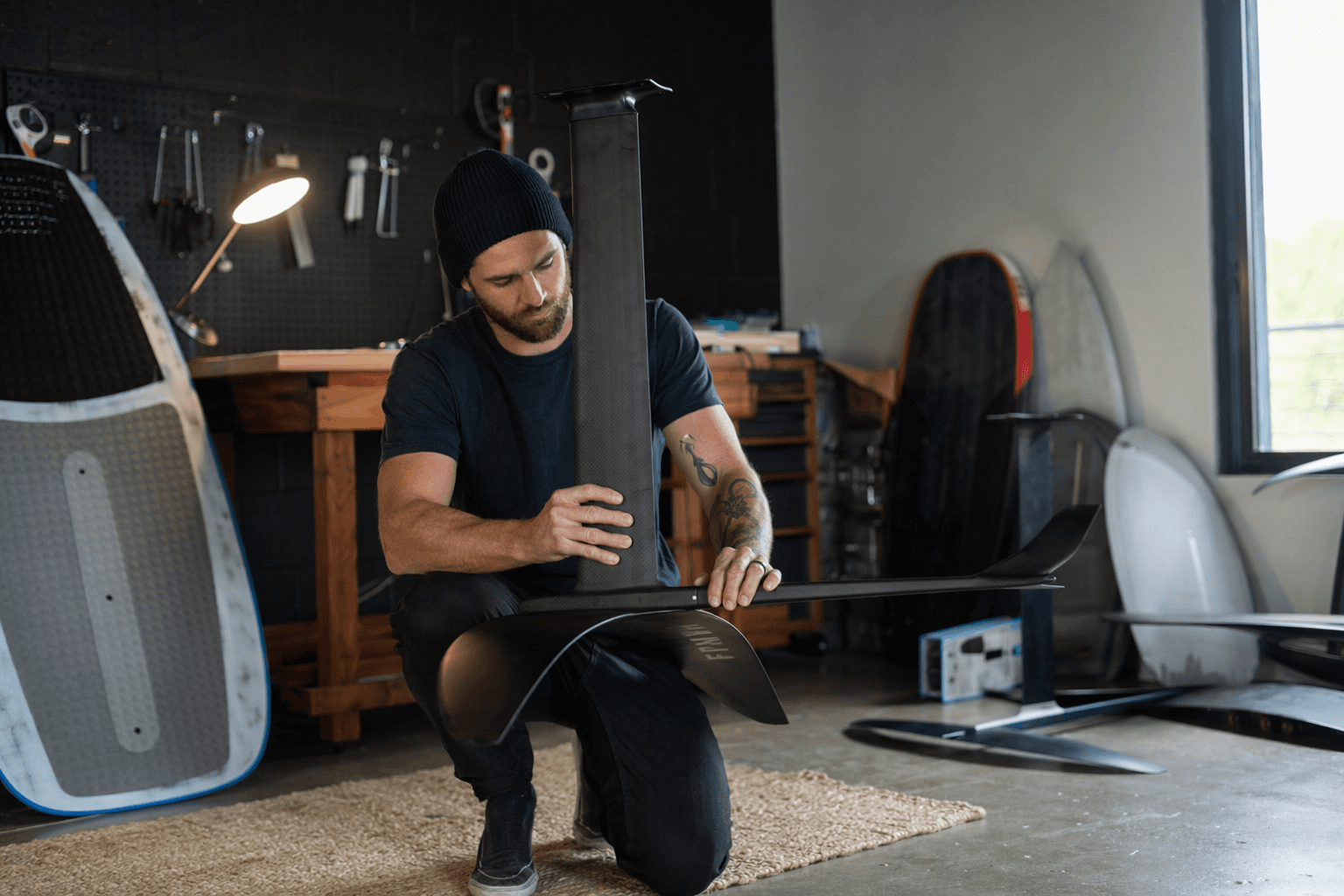
The hydrofoil market now has more than 29 manufacturers, which is exactly why so many riders end up overspending on the wrong parts. Around 80 percent of a foil’s performance comes from the front wing, so the smartest buying decision is not the logo on the board, it is the wing under your feet.
That matters whether you are eyeing a first board, moving up from your current setup, or looking for an electric flight experience. If the wing is wrong, everything else feels off. If the wing is right, a basic setup can feel surprisingly alive, and that is the kind of performance-per-dollar most riders are actually chasing.
Start with the ride you want, not the gear you admire
The easiest mistake is buying for aspiration instead of use. A beginner manual hydrofoil setup typically lands between $600 and $1,200, which is a very different investment from a full eFoil package at the top end of the market. For a first-time buyer, that price gap is a warning sign: do not pay for carbon, power, or premium race tuning until you know the kind of session you want most often.
For learning, the safest shorthand is simple: choose a low-aspect wing and a short mast. Current beginner advice consistently points in that direction because larger, lower-aspect wings lift earlier and feel more stable, while shorter masts are easier to control in shallow water and during those messy first falls. A rider who is still sorting out stance and balance gets more usable time on the water from that kind of setup than from a flashy, high-performance build.
If you are already past the first-stage wobble and want to progress, the decision shifts. That is when carbon fiber starts to make sense, because lighter weight and more speed matter once your baseline is stable. This is also where riders often overspend: they jump to a highly tuned foil before they have the technique to tell what the extra performance is actually doing.
The three setups that fit the most common rider profiles
For a first-time buyer, the best money usually goes into durability, stability, and forgiveness. Aluminum or G10 makes sense here because both control cost while holding up well to abuse. A used foil can be an even smarter entry point, since many used hydrofoils retain over 60 percent of their performance while selling for nearly half the price of new gear.
For a progression rider, the sweet spot is a setup that still feels manageable but gives you room to grow. This is where brands like Axis Foils earn attention, because speed-oriented gear starts to matter once you can use it. A performance foil with a mast in the 85 to 95 centimeter range gives you more control in chop and at higher speeds, and it makes transitions from freeride to faster carving much more predictable.
For a high-wind or carve specialist, the conversation changes again. You are no longer buying for the easiest lift, you are buying for control, turn response, and calm behavior when the water gets busy. Smaller front wings, a more performance-focused mast length, and carbon construction all start to make more sense here. This is the setup where riders most often overspend on the wrong thing, usually by choosing a giant wing for early lift when what they really need is cleaner speed and better handling.
How to read the spec sheet like a local
The useful part of a serious hydrofoil checklist is that it narrows the noise fast. Mast length, wing size, fuselage dimensions, material, and discipline all tell you more than the marketing copy does. A 60 to 75 centimeter mast is the beginner and shallow-water lane; an 85 to 95 centimeter mast fits performance and advanced riding. That one detail alone can save you from buying gear that feels twitchy in the exact conditions you ride most.
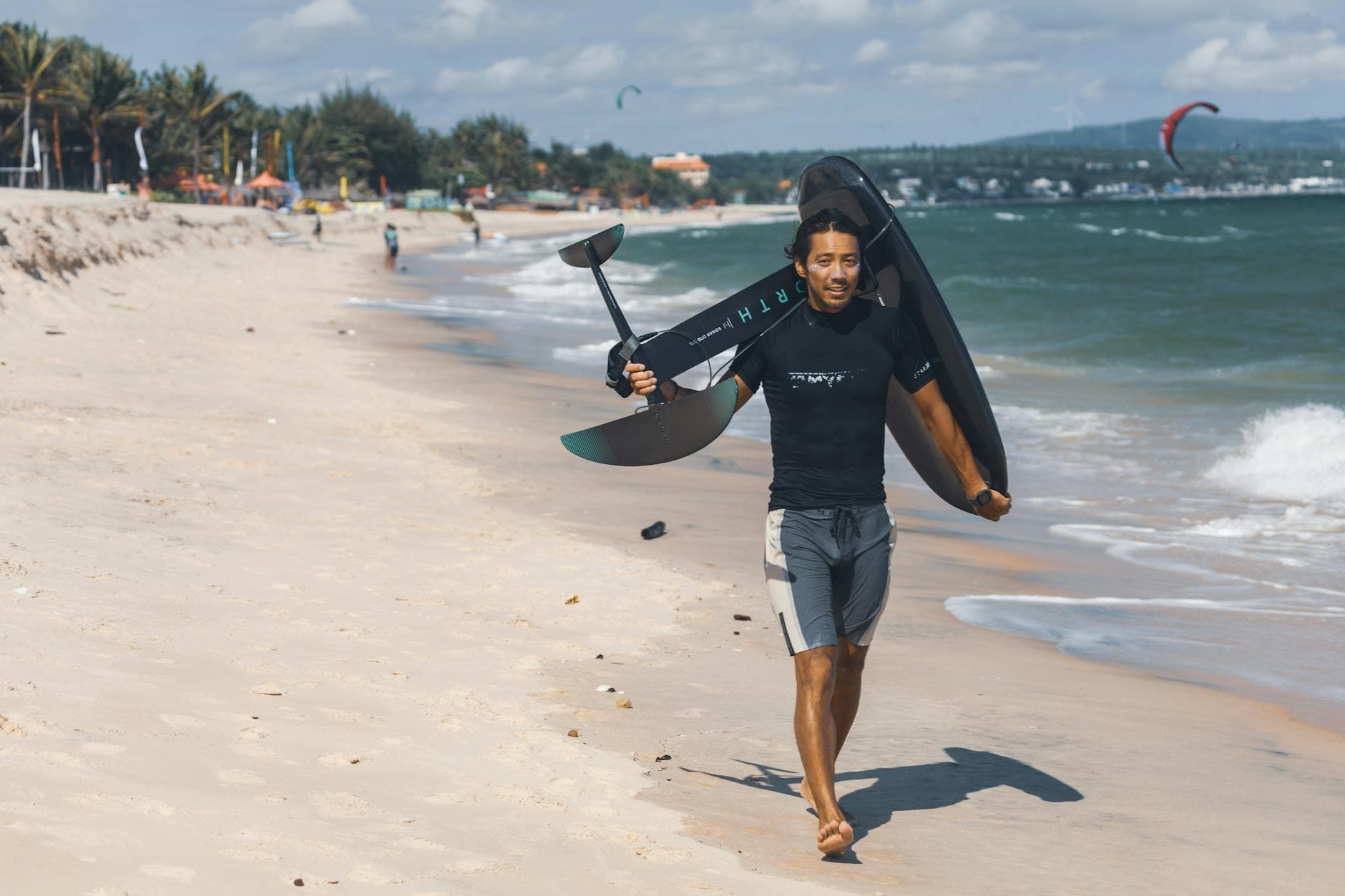
Wing choice deserves just as much attention. Starboard’s beginner advice points riders toward a low aspect ratio foil, and that tracks with the broader consensus that bigger front wings create earlier lift and more stability. If you are learning or dealing with inconsistent water, that is a practical advantage, not a compromise. If you are chasing top-end speed, you will probably move in the other direction later, but not before you have built the skill to use the extra performance.
Fuselage dimensions are the last piece of the puzzle, and they matter because they change how the foil balances and turns. Treat them as fine tuning, not as the first decision. Too many riders do the opposite and end up paying for handling they cannot yet feel.
Where the biggest savings usually hide
If you want durability and cost control, aluminum or G10 is the sensible lane. If you want lighter weight and more speed, carbon fiber earns its price once your riding is stable and intentional. The overspend trap is buying carbon as a status move rather than a performance choice.
Used gear is another place to be honest with yourself. A foil that still holds more than 60 percent of its performance but costs nearly half as much as new gear can be a better first purchase than a pristine flagship model. That is especially true if you are still deciding between surf foiling, wingfoiling, kite foiling, or electric riding.
Why familiar brands keep showing up in good buyer shortcuts
Some names keep surfacing because they offer clear answers to different problems. Slingshot Hover Glide is the classic versatility play, the kind of setup that makes sense when you want broad usability rather than a narrow specialty. Axis Foils leans toward speed, which is why it matters to riders moving into more performance-driven sessions. Lift eFoil sits in the electric lane, built for solo electric flight rather than traditional towless foil progression.
The history behind those names is part of the lesson too. Fliteboard traces the original eFoil idea to founder David Trewern in 2016. Lift Foils says it was the first to patent eFoil technology, and its first eFoil launched in 2018. GO FOIL claims the first SUP hydrofoil. The origin stories are important, but the buyer takeaway is even more important: this category has been innovating for years, and specs now matter more than mythology.
The sport is bigger than one discipline now
Hydrofoiling is no longer just a niche corner of board sports. The International Surfing Association is recognized by the International Olympic Committee as the governing authority for surfing and related wave-riding disciplines, which places foiling inside a much larger competitive ecosystem. The Surf Foil World Tour now spans surf foil, pump foil, wake foil, e-foil, and downwind foil, and its inaugural 2026 e-foil World Cup in Morocco shows how quickly electric foiling has moved from novelty to organized competition.
That matters because the gear is becoming more specialized, not less. As the sport grows, the best purchase is the one that matches your actual discipline, your local conditions, and your current level. Buy the wing that fits your ride, and the rest of the setup stops being a gamble.
Know something we missed? Have a correction or additional information?
Submit a Tip