Fliteboard Series 6 Lineup Broken Down by Skill Level and Rider Type
Fliteboard's Series 6 spans six boards across three skill tiers, and knowing which one matches your riding style could save you thousands.
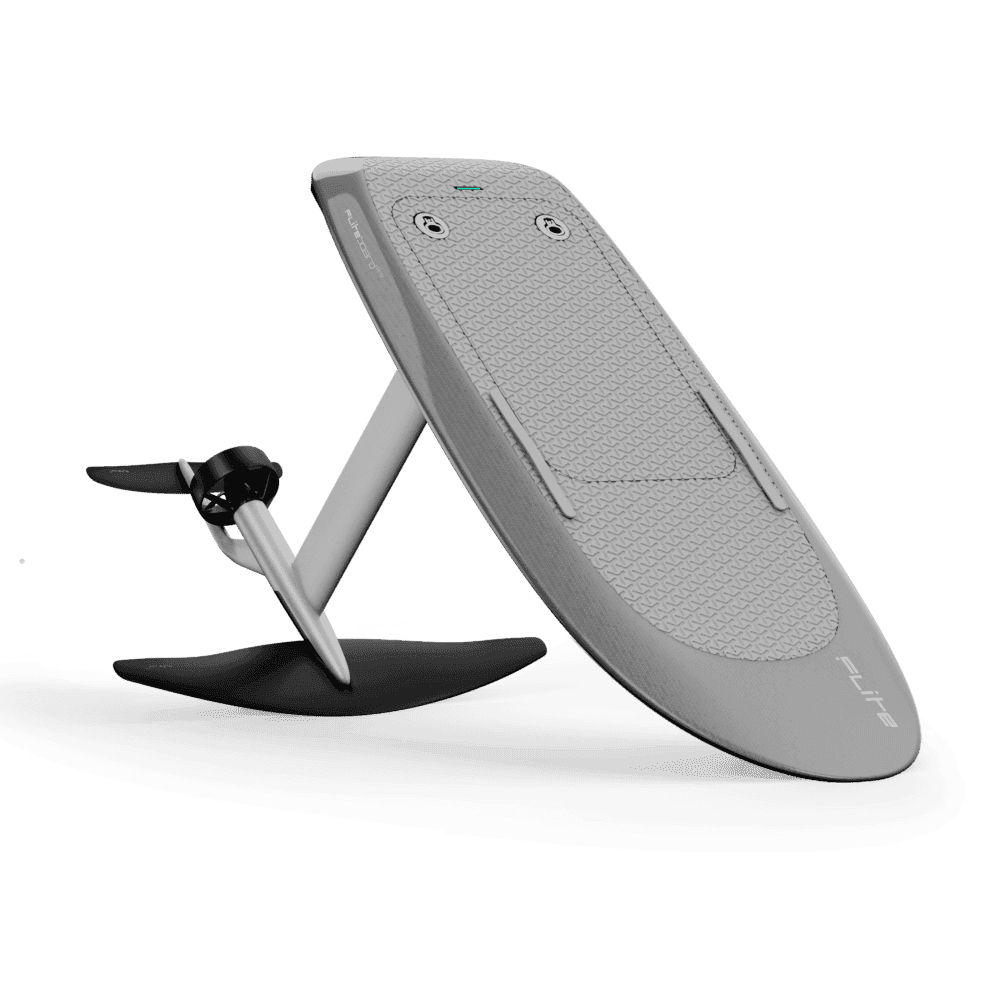
Fliteboard dropped the Series 6 lineup and, as with any major product refresh from one of efoil's most recognized brands, the question immediately becomes: which board is actually built for you? Six models, three skill tiers, and a range of rider profiles means there's genuine nuance here worth unpacking before you commit to a purchase.
The research notes available at publication time confirm the Series 6 is organized across three distinct skill tiers, with the AIR designation anchoring one end of the spectrum. Here's what the structure looks like and how to think about positioning yourself within it.
Understanding the Three-Tier Structure
Fliteboard has always been deliberate about segmenting its lineup, and Series 6 continues that philosophy with six boards spread across beginner, intermediate, and advanced categories. Rather than releasing one flagship and calling it a day, the brand clearly wants to serve riders from their first session on flat water all the way through to experienced foilers chasing performance at the top end. That kind of range matters in a sport where the gap between "just getting up" and "riding toeside in chop" is enormous.
The AIR tier sits at the accessible end of the lineup. If you've been on the fence about getting into efoiling or you're still logging your early hours on the water, this is where Fliteboard is pointing you. Boards in this tier are typically wider, more stable underfoot, and built to be forgiving when you're still sorting out your weight distribution and balance. The priority here is getting you flying consistently rather than pushing performance limits.
Who the AIR Models Are Built For
The AIR designation in Fliteboard's lineup has historically meant buoyancy and stability, and Series 6 doesn't change that calculus. These boards are for riders who want a confidence-building platform: someone returning to the water after time off, someone buying their first efoil, or a rider who simply prefers a more planted, predictable feel regardless of their experience level. Not every advanced rider wants a twitchy performance board, and Fliteboard seems to acknowledge that.
The specs and features for the AIR models in Series 6 emphasize ease of use. If you're shopping in this tier, you're trading some top-end performance characteristics for a board that's going to feel stable across a wider range of conditions and body positions. For most new riders, that's exactly the right trade.
The Intermediate Tier: Where Most Riders Actually Live
This is the tier that tends to generate the most buyer confusion, and for good reason. Intermediate boards have to do a lot: they need to be accessible enough that a rider with 10-15 hours on the water can handle them, but capable enough that the same rider isn't immediately outgrowing the board six months later. Fliteboard's Series 6 addresses this with models that build in more responsiveness and a narrower profile than the AIR boards without throwing you in the deep end.
If you've got your takeoffs consistent, you're holding the foil at a stable height, and you're starting to think about turning technique rather than just staying up, the intermediate tier is your home in this lineup. The boards here reward progression. You'll feel the difference as your skills improve, which is exactly what you want at this stage.
Advanced Models: Performance at the Top End
The top tier of the Series 6 lineup is where Fliteboard gets competitive with the performance market. These boards are narrower, lighter, and tuned for riders who have the muscle memory to handle something that demands more input. If you're carving, pumping between waves, or riding in conditions that would put a beginner flat on their back, the advanced models in Series 6 are worth your attention.
What separates a performance efoil board from its more accessible siblings isn't just the width or volume, it's the feedback loop. Advanced boards communicate what the foil is doing in a way that experienced riders can use; for less experienced riders, that same feedback is just instability. Be honest with yourself about where you are before reaching for the top-end option.
Rider Type Matters as Much as Skill Level
One thing Fliteboard's Series 6 structure gets right is acknowledging that skill tier alone doesn't tell the whole story. Rider type, meaning your weight, your riding style, the conditions you're typically on, and what you're trying to get out of the session, shapes which board within a tier makes sense. A heavier rider who likes flat-water crusing has different needs than a lighter rider who's trying to pump between boat wakes.
Within each tier, Fliteboard has positioned the six models to address these distinctions. That means even within the intermediate category, you're not just picking "the intermediate board" but making a more specific call based on what your sessions actually look like. Pay attention to the volume and width specs for each model and cross-reference them against your weight and typical riding conditions.
What to Know Before You Buy
Series 6 represents a meaningful refresh, but the fundamentals of buying an efoil haven't changed. A few things worth keeping in mind as you work through the lineup:
- Match your current skill level, not your aspirational one. A board that's too advanced for where you are now will slow your progression, not accelerate it.
- Factor in conditions. If you're regularly riding in chop or open ocean, stability becomes more valuable than it does on a glassy lake.
- Weight matters more than most buyers account for. Fliteboard's sizing recommendations exist for a reason, and ignoring them tends to show up immediately on the water.
- If you're between tiers, the safer bet is almost always the more accessible option. You'll progress faster on a board that's working with you.
The Bottom Line on Series 6
Fliteboard has built a lineup that, at least on paper, covers genuine ground across the skill and rider-type spectrum. Six boards across three tiers gives the brand enough range to address most buyers without asking anyone to make too many compromises. The AIR models do their job for new riders, the intermediate options have room to grow into, and the advanced boards should satisfy experienced foilers who want something purpose-built for performance.
The real work is being clear-eyed about where you fit. The Series 6 lineup rewards riders who buy for where they actually are on the water right now, and that's a better approach than chasing a board you'll grow into someday.
Know something we missed? Have a correction or additional information?
Submit a Tip