Gold Coast e-foil collision reignites surfing safety and etiquette debate
A Gold Coast e-foil collision pulled Kelly Slater into a lineup fight over right of way, turning one crash into a wider test of surf etiquette.
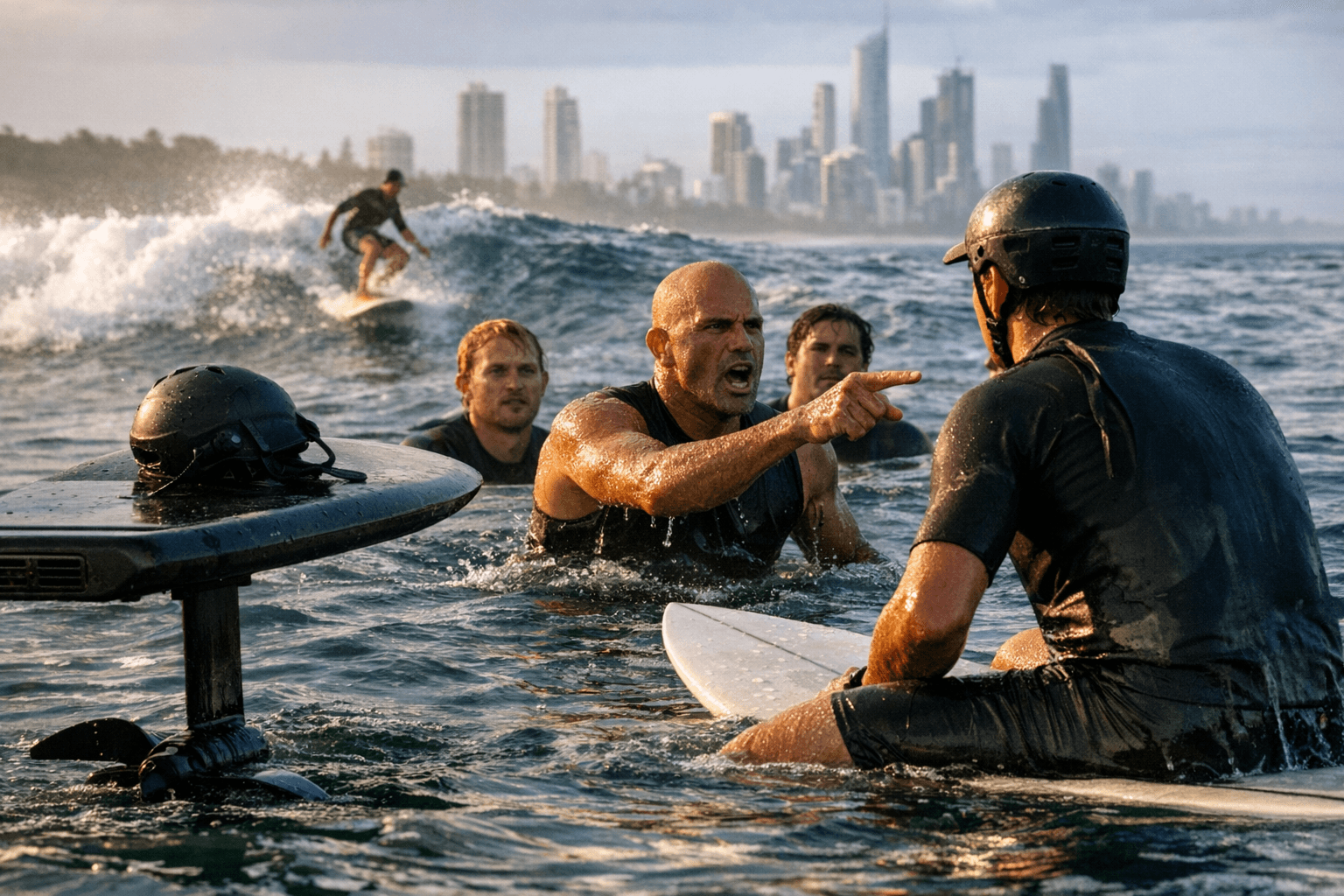
An electric hydrofoil collision on the Gold Coast has pushed a familiar surf argument into sharper focus: when a powered board can reach a wave from well outside the paddle zone, what keeps the lineup safe? The clip, published on April 16, 2026, spread fast because it was not treated as just another wipeout. Kelly Slater and Eric Geiselman both weighed in, and the debate quickly became less about one moment in the water than about whether e-foils belong in crowded surf at all.
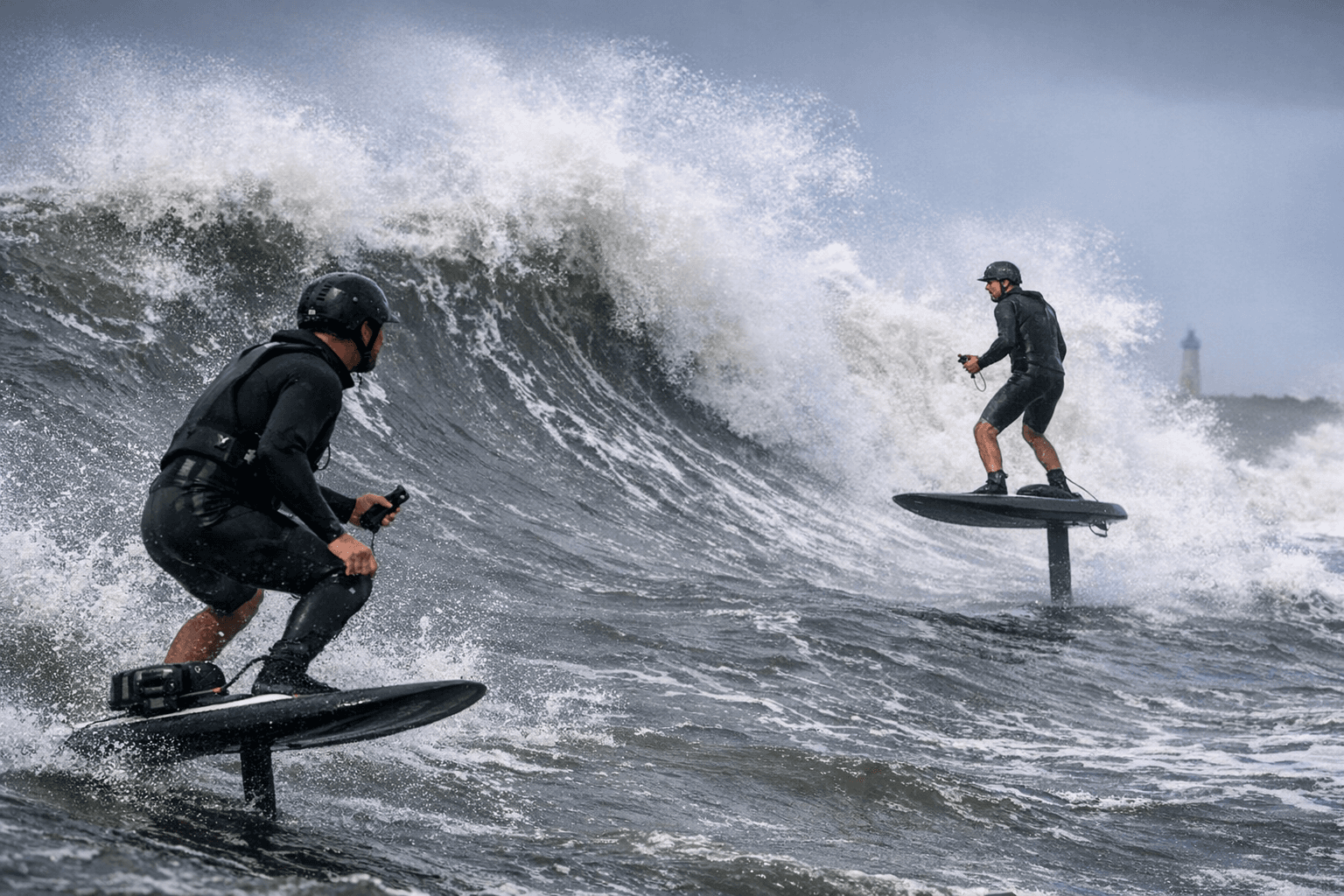
What made the footage so combustible was the change in speed and access. Electric hydrofoils let riders get into waves early and from a long way out, which means the usual rhythm of a busy break can change in an instant. Some viewers focused on the inside surfer dropping in; others argued the foil rider should have chosen a less crowded stretch in the first place. That split gets to the heart of the issue now facing mixed lineups: right of way matters, but so does the reality that powered craft alter the power dynamic before the wave even stands up.
Slater’s reaction carried extra weight because his voice still moves surfing culture. The World Surf League identifies him as an 11-time world champion and describes him as the greatest competitive surfer of all time. When a surfer with that kind of authority criticizes e-foil behavior, the conversation reaches far beyond one local session and lands squarely in the middle of how the sport thinks about access, responsibility, and crowding.
The setting matters too. Gold Coast surf beaches sit inside a World Surfing Reserve, and the city says surfing is central to local identity and a meaningful driver of the economy through spending and jobs. The city’s surf pages also name Snapper Rocks, Greenmount Beach, Tallebudgera Beach, and Currumbin Alley as major breaks, while warning surfers to assess conditions carefully and, if in doubt, not paddle out. Those same pages tell surfers to watch for other craft, a reminder that a motorized foil in a packed break is more than a style clash.
The regulatory picture is just as uneven. In Western Australia, electric hydrofoil boards over 4.5 kW are treated as vessels and must meet registration, collision, speed, and skipper-ticket requirements, while still remaining subject to marine rules including the Prevention of Collisions at Sea Regulations 1983. That kind of patchwork underscores why the Gold Coast crash hit a nerve. As e-foils spread, the real question is becoming practical, not theoretical: what separation, rules, and enforcement would actually keep fast, powered boards from turning a crowded surf zone into a collision course?
Know something we missed? Have a correction or additional information?
Submit a Tip