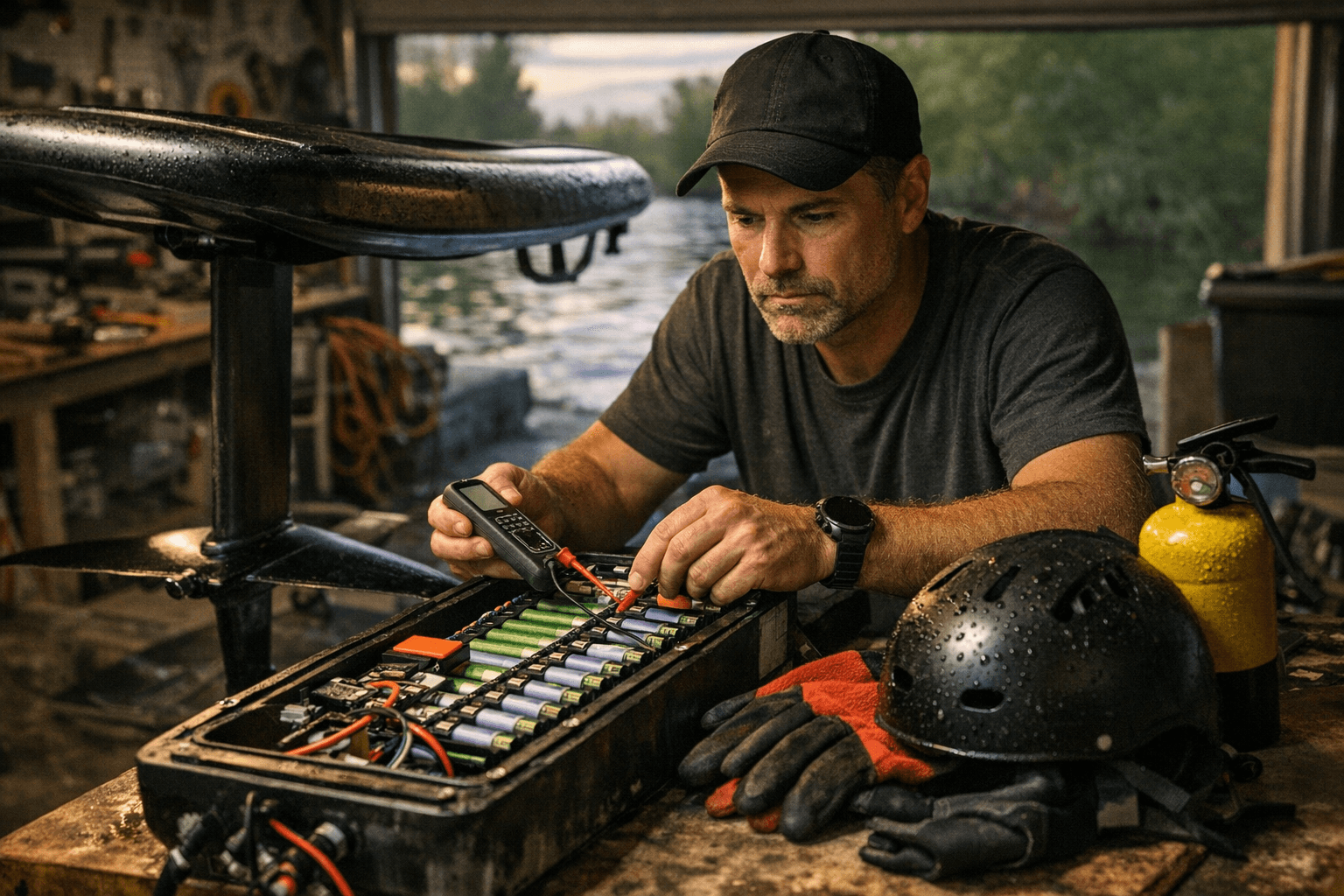
Lift Foils Urges Foiler Etiquette to Ease Lineup Tensions
Lift Foils told foilers to stay out of crowded peaks, yield priority, and ride the open face after a Chicama injury and a Gold Coast clash reignited lineup heat.

Lift Foils has turned a simple PSA into an unofficial peace treaty for crowded breaks: stay out of packed lineups, give surfers already out there the right of way, and stop taking the money wave from the middle of the scrum. The company’s mid-April video tells foilers to move away from the pocket and look for the open face or the unoccupied corner instead, while its caption also urged riders to “respect the culture” and “respect the line up.”
That message landed because the conflict has sharpened fast. Hydrofoil surfing and electric hydrofoils got far more visible during and after the Covid-era boom, and traditional surfers have been saying the same things over and over: foilers can take waves from farther outside, some can motor into waves, and the submerged foil behaves like a blade when things go wrong. In other words, this is no longer just a debate about etiquette. It is a fight over priority, injury risk and whether a spot stays workable for everyone.
The danger stopped being theoretical on March 4 at Chicama in Peru, where a hydrofoil collision put a foil blade into a surfer’s abdomen. Reports said the injury was not serious, but the footage raced across the surf world and became the newest example of how ugly a crowded foil session can get. Just days before Lift Foils’ video, another clash on the Gold Coast brought the same argument back to the surface, with Kelly Slater and Eric Geiselman criticizing the foiler involved and saying the crowded zone should have been avoided.
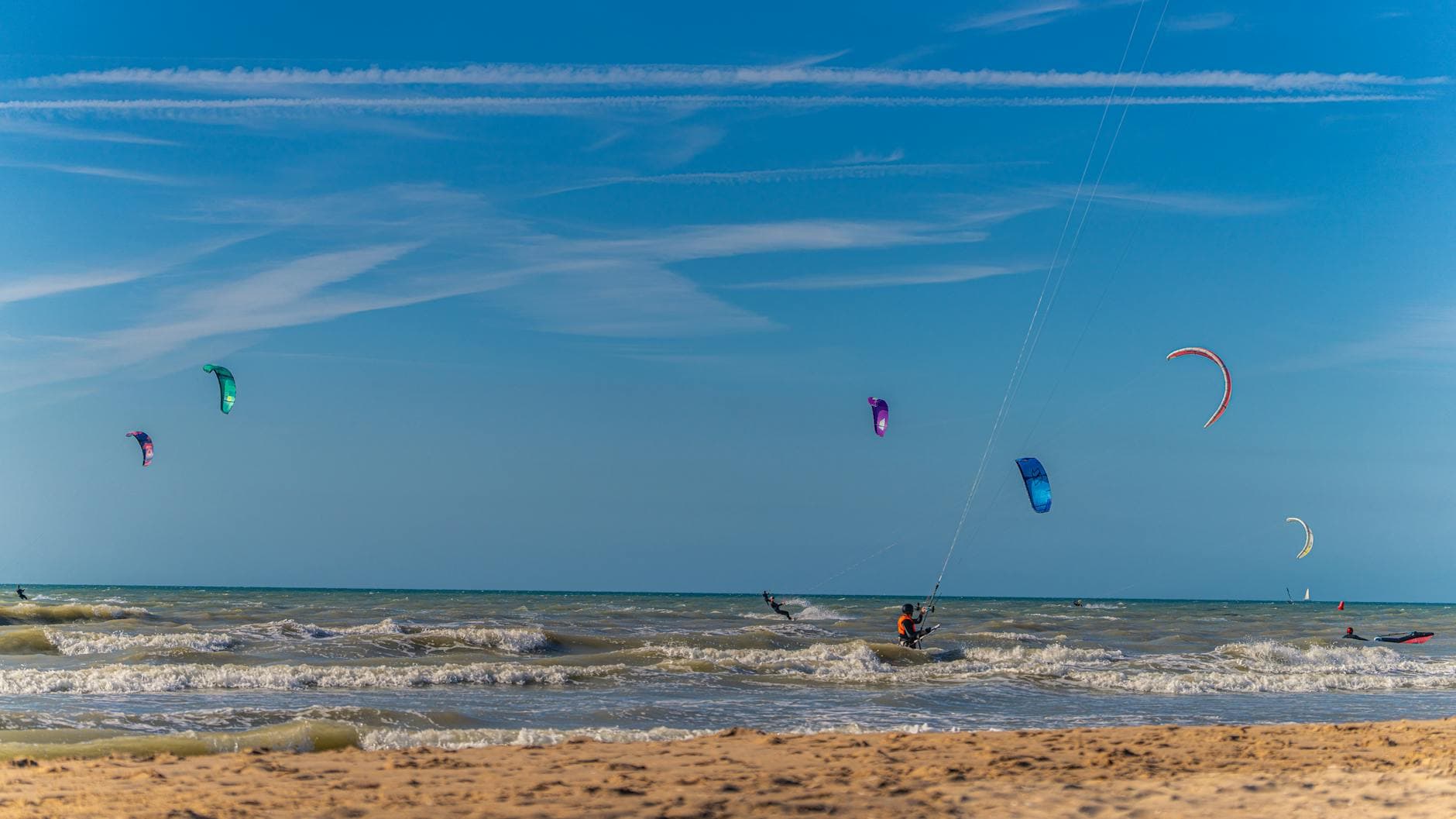
Lift Foils is not a fringe voice making a polite suggestion from the sidelines. The company says it has been building performance hydrofoils in Puerto Rico since 2010, calls itself the inventor and market leader in eFoiling, and says it has more than 300 partner locations worldwide. That matters because the company is effectively telling its own customers that the fastest way to protect the sport is to change behavior before local surfers, beach managers and other riders force the issue.
The practical rules are pretty clear. Do not paddle or motor into a packed takeoff zone. Yield to the surfers already there. Stop hunting the deepest part of the pocket if the lineup is stacked. Take the open shoulder, the inside corner, or another wave entirely. Lift says more educational content is coming, and that may be the point now: in a sport where every bad drop can end up online, etiquette is no longer polite window dressing. It is the difference between coexistence and the next access fight.
Know something we missed? Have a correction or additional information?
Submit a Tip