Norway's Boreal Orders 20 Candela Electric Hydrofoil Ferries for Fjord Routes
Norway's Boreal placed the world's largest electric hydrofoil fleet order: 20 Candela P-12s that cruise at 25 knots, recharge in an hour, and fly below 64 dB cabin noise.
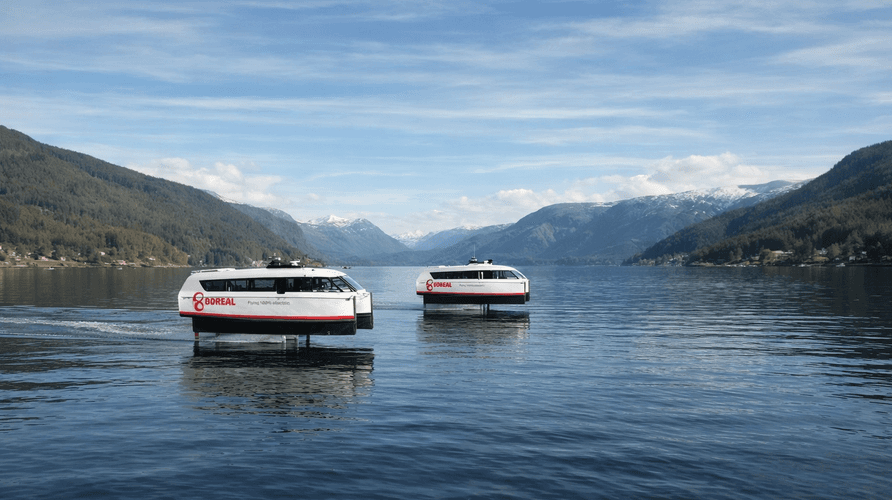
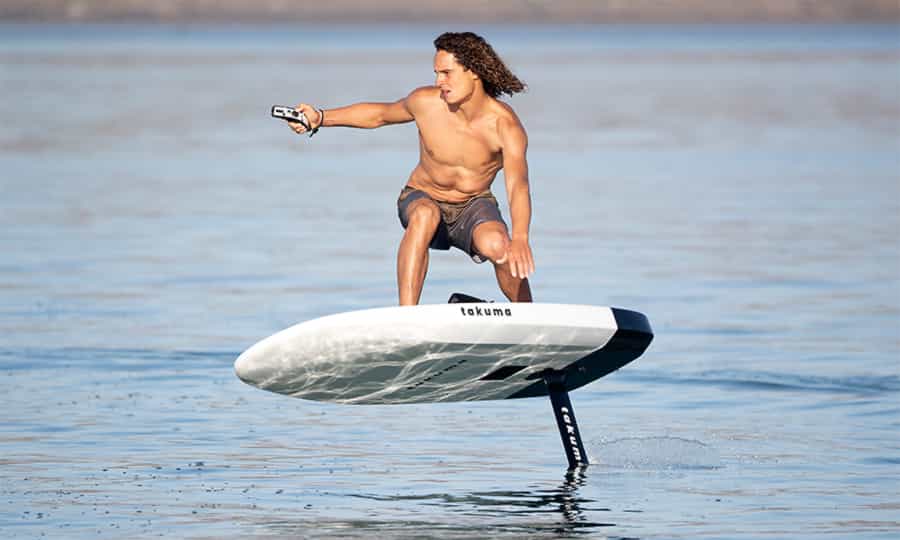
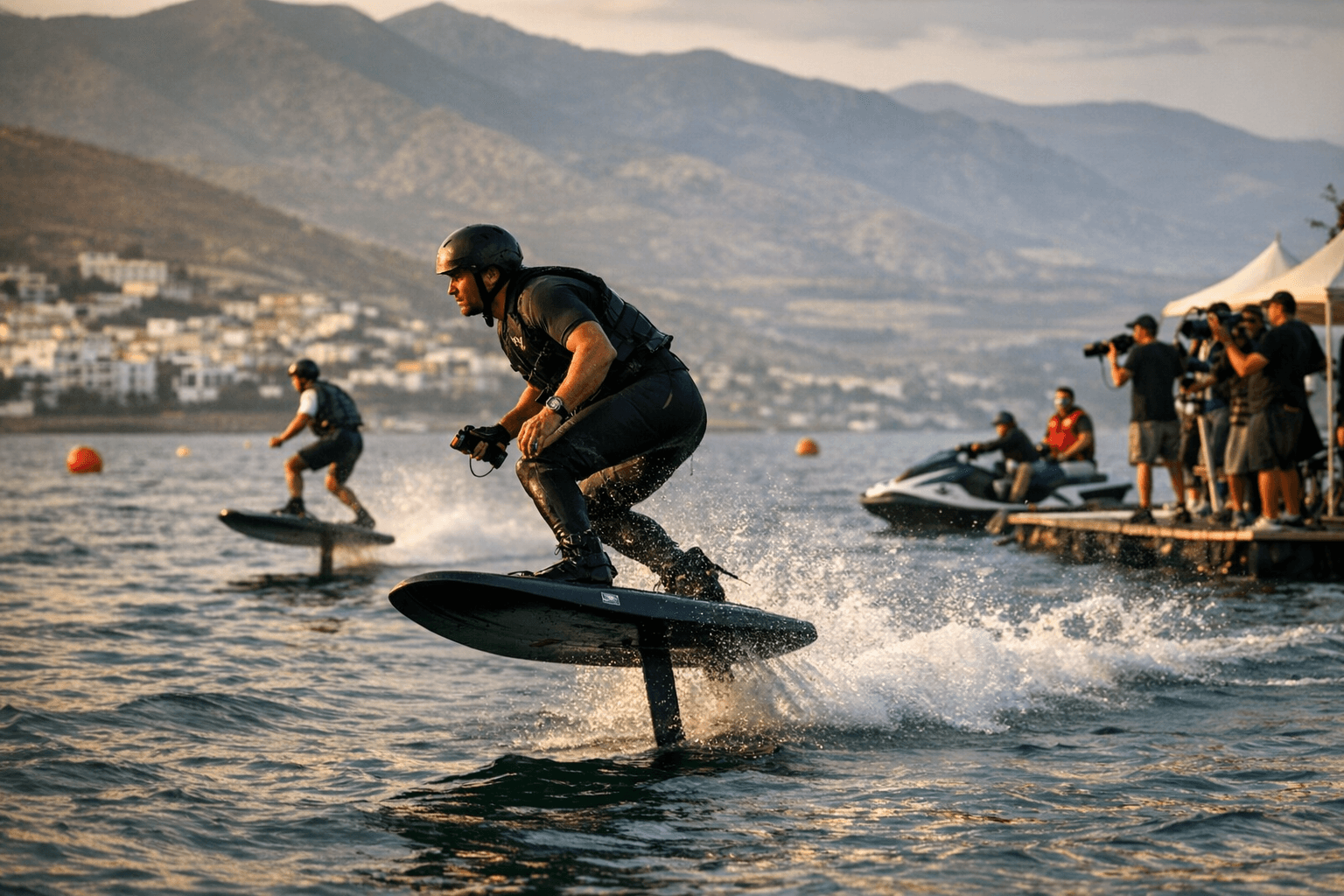
Twenty Candela P-12 electric hydrofoil ferries are headed for Norway's fjord coastline after Boreal AS placed what Candela describes as the world's largest single fleet order for high-speed electric hydrofoil passenger craft. For anyone who has spent time on an e-foil, the significance of that number runs deeper than a transport headline: a commercial operator staking 20 vessels on hydrofoil technology is the kind of mainstream validation that reshapes supply chains, durability standards, and, eventually, the gear available to riders.
Boreal, a Norwegian public transport operator running buses and ferries under long-term public service contracts, will deploy the Stockholm-built P-12s along routes where diesel fast ferries have been the only viable option for high-speed electric operations. Boreal CEO Nikolai Knudsmoen Utheim was direct about the appeal: "Candela P-12 is the only electric passenger vessel that combines longer range with high speed without requiring extensive charging infrastructure. Our investment will enable new high-speed routes both in cities and in rural areas."
The P-12 earns that claim by flying rather than displacing. At approximately 18 knots the hull lifts off the water onto carbon fiber foils, cutting drag by roughly 80 percent compared with a similarly sized displacement hull. The result is a 25-knot cruise speed, a tested ceiling above 30 knots, and a 40-nautical-mile range on battery power alone, with a full recharge in about an hour via standard DC fast charging. Candela proved that charging flexibility on a 160-nautical-mile voyage from Gothenburg to Oslo, topping up with a mobile battery unit transported by an electric pickup, without any fixed megawatt-scale port infrastructure.
Quiet operation is the feature most likely to reframe access debates on shared waterways. Testing in Stockholm registered cabin noise at just 64 decibels while foiling, quieter than the interior of a modern train or commercial aircraft, and the minimal wake profile at foiling speeds is precisely the argument that has been missing when municipalities weigh permits for powered foil craft. Candela's European director Alexander Sifvert put the commercial case plainly: "The technology combines speed, range and energy efficiency in a way that opens up completely new possibilities for both cities and districts."
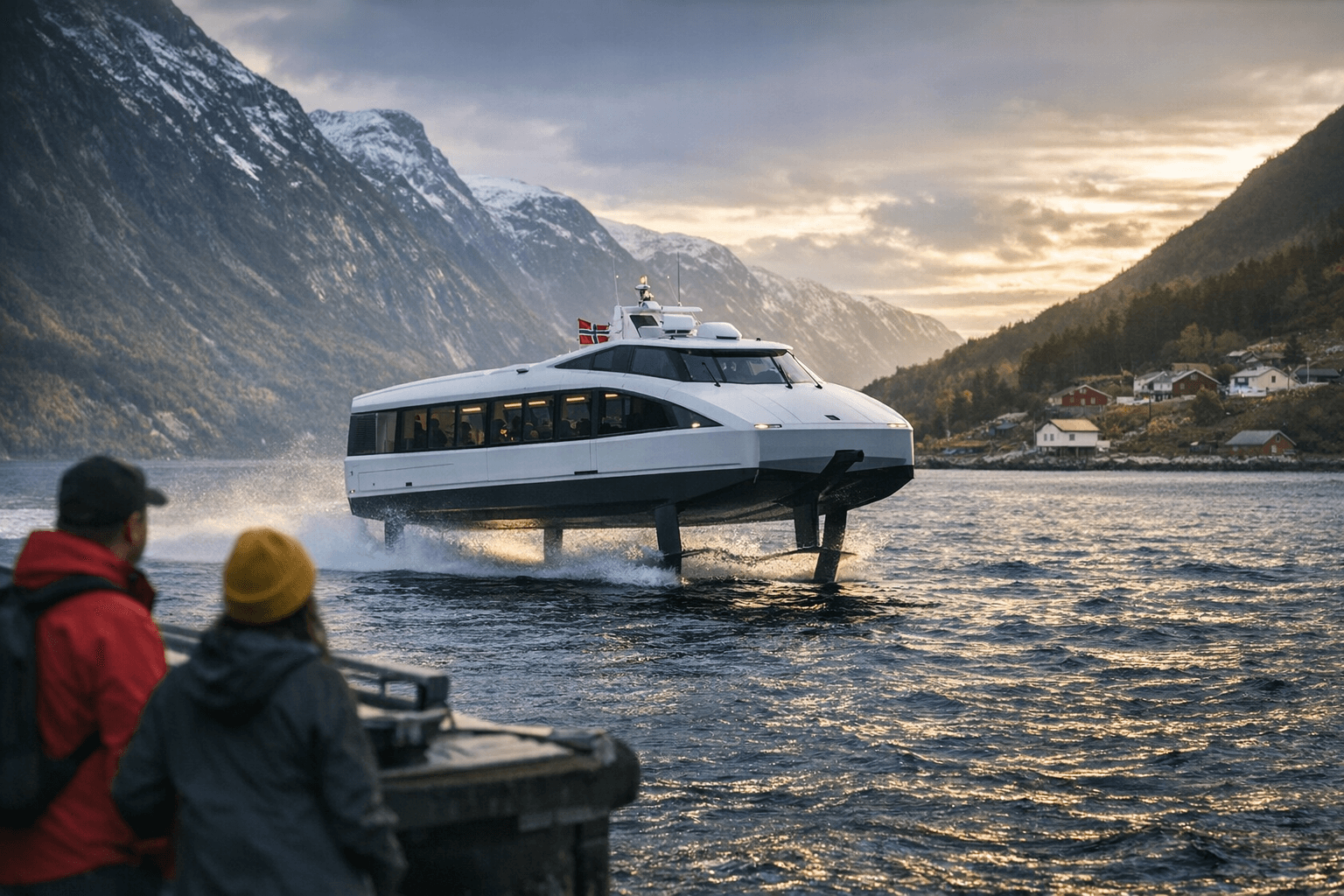
Deliveries begin with two vessels in 2027 and proceed annually through 2030, giving Boreal a phased rollout across its fjord network. That timeline also generates two-plus years of real operational data on foil fatigue in cold-water conditions, battery thermal performance, and motor efficiency across speed bands, flowing back to Candela's engineering team at a scale no recreational fleet can match.
Three developments from this contract will filter into consumer foil products more quickly than most riders expect. Commercial-grade durability benchmarks are now being set in conditions far more demanding than weekend sessions, which means next-generation consumer wings and mast connections face a higher proof standard from the start. Maintenance intervals driven by the P-12's minimal moving-parts design and certified carbon fiber foil construction are establishing what "low maintenance" actually means at operational scale, not just in marketing copy. And the Flight Controller, which reads wave conditions from bow sensors and adjusts the hydrofoils up to 100 times per second, is precisely the closed-loop active control architecture that consumer e-foil brands have been building toward: as Candela ramps production to fulfill the Boreal contract, the supply chain for those control components deepens for everyone downstream.
A 20-vessel commercial fleet accumulates more operational hours in a single year than the entire recreational e-foil sector has collectively logged. That data does not stay in the maritime corridor.
Know something we missed? Have a correction or additional information?
Submit a Tip