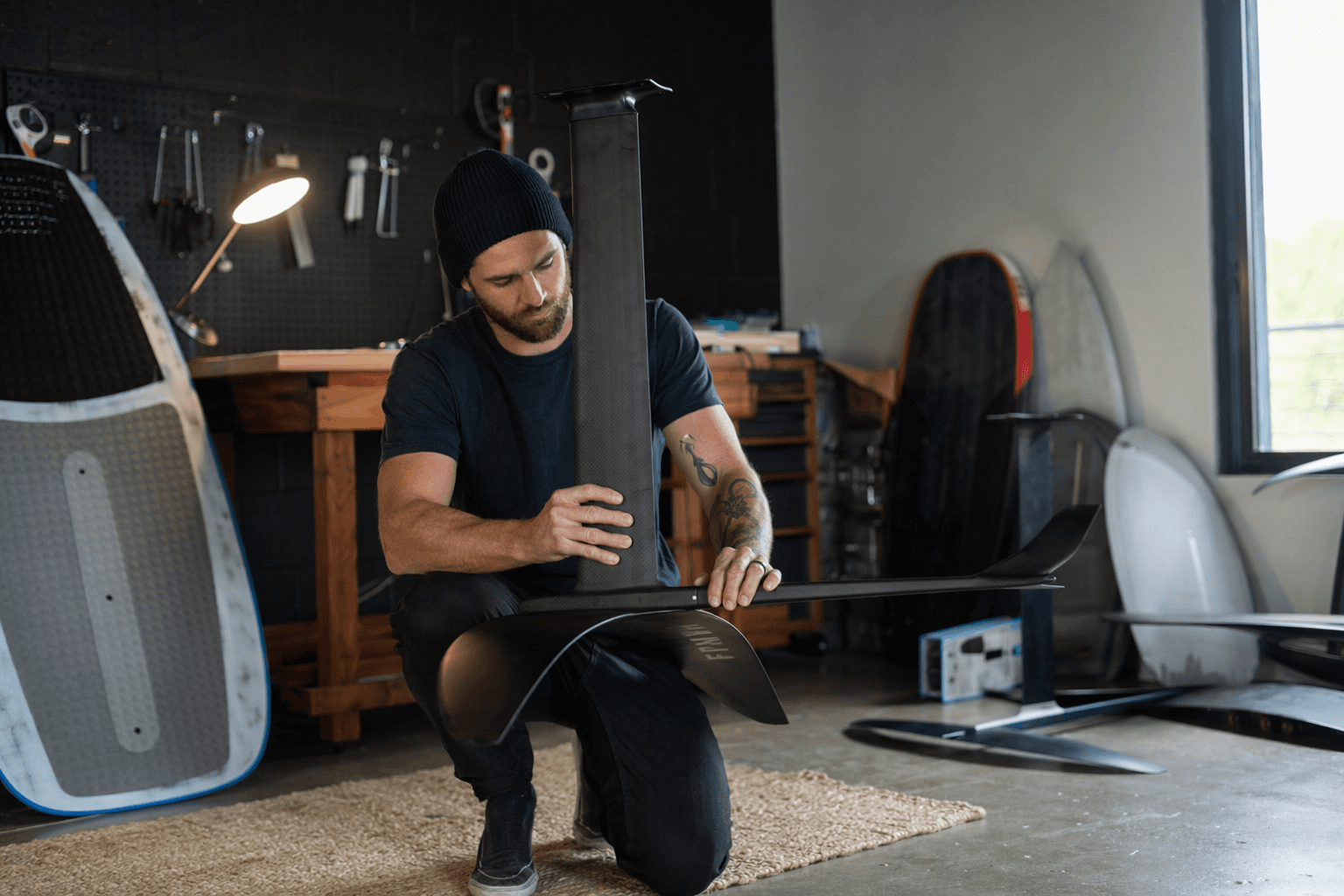
Slow-motion test shows how Levitaz R6 foil turns effort into glide
Dom’s slow-motion R6 test puts the foil’s real job under a microscope: turn each pump into more glide, less waste, and longer links.
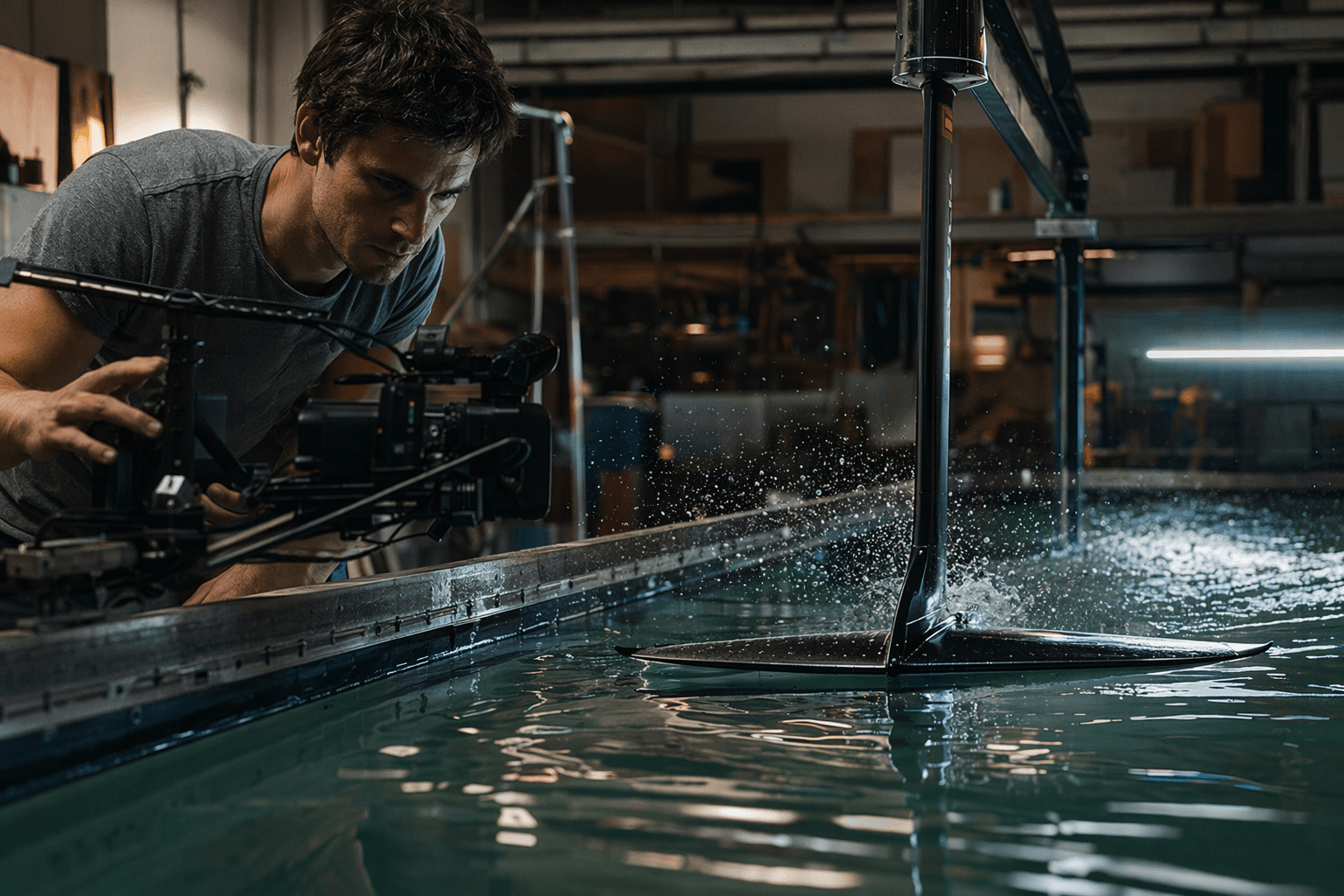
The R6’s pitch is not just speed, but how cleanly it carries momentum. Dom’s pumping-efficiency clip, published on April 29, 2026, shows a Levitaz Hydrofoils R6 setup pushed at full pace and then broken down in slow motion, with the eye trained on glide, responsiveness, and energy transfer. That matters most when the ocean is stingy, because dock starts, bump linking, and long-glide runs all live or die on how much distance one pump buys.
Levitaz has built the R6 Race Series around that same idea. The brand says its RAZE6 board was developed specifically to work with the R6 Race Series for unmatched performance, and its 2024 Race Series user manual says the hydrofoil reduces drag as it moves across the water, which can allow a user to achieve greater speed. The company’s broader product guide goes further, saying even small changes in wing design, size, profile sections, laminate construction, or surface finish can have a dramatic effect on performance. That is exactly why a slow-motion pumping test is useful: it exposes where energy is held, where it leaks, and how much of the rider’s effort returns as forward motion.
The R6 also sits in a brand ecosystem that treats pumping as a real discipline, not an afterthought. Levitaz sells Pump Sets, which is a clear signal that manual acceleration belongs in the product story alongside race-kite hardware. In practical terms, that means riders are judging the foil on more than the first lift. They are looking for cadence, balance, mast stiffness, fuse connection, and the ability to stay in the efficient glide zone without burning out their legs.

That emphasis matches what pump-foiling coaches have been saying for the last few seasons. Foil Drive’s 2024 pump-foiling guide frames the skill as timing, cadence, and efficiency, not brute force. The rider who can keep the foil loaded in the sweet spot will usually go farther than the rider who simply pumps harder. That is also why high-aspect foils remain such a reference point in the market: Armstrong Foils describes them as optimized for glide efficiency, low stall speed, and better energy retention across bumps.
For riders weighing whether the R6 hype is earned, the answer sits in that overlap. The clip suggests a foil built for the kind of efficiency that turns a few good pumps into extra meters, cleaner links, and more usable glide when the session gets technical.
Know something we missed? Have a correction or additional information?
Submit a Tip