Wingfoil’s biggest strengths, broad versatility balanced by real trade-offs
Wingfoil gives you range, upwind freedom, and a fast-growing scene, but the learning curve, safety gear, and launch conditions decide whether it earns a slot in your quiver.
Why wingfoil still wins on freedom
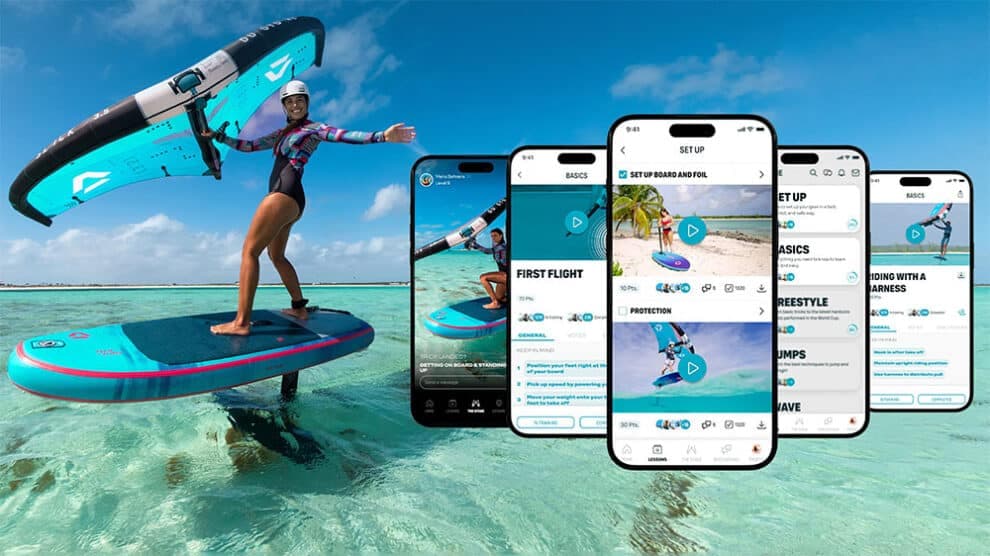
Wingfoil’s biggest strength is simple: it gives you a lot more usable water time than most people expect. The foil and wing combo opens a broad riding envelope, so you are not stuck treating it like a pure wave tool or a flat-water toy. If your local conditions are decent, it can cover freeride laps, light-wind cruising, and progression sessions without forcing you into one narrow style.
That is the reason the sport caught on so quickly. ION Club describes wingfoil as having been all the rage since 2019, with modern development dating back to 2015, when Tony Logosz was involved in early development. The longer view matters too: wingfoil has roots in the 1981 wing-surfing concept developed by Jim Drake and Uli Stanciu, which helps explain why it feels familiar to wind and foil riders while still feeling like a newer branch of the sport.
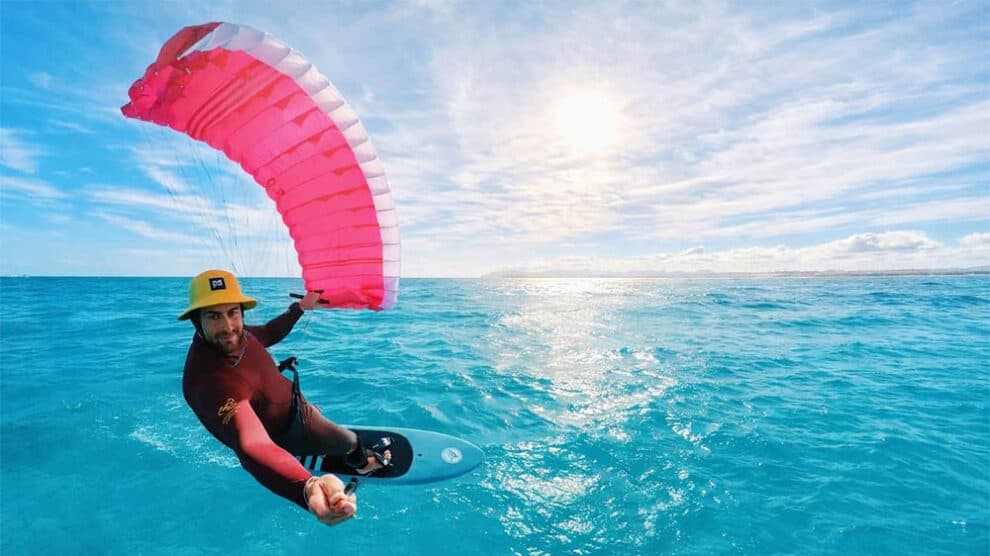
The practical upside is that the wing gives you real upwind drive. That changes the session in a way prone, SUP, or tow foiling simply do not, because you are not just riding what the water gives you, you are using the wind to extend the run, reset your line, and keep the day alive longer.
Where the trade-offs show up fast
The catch is that wingfoil is still a compromise sport, and the compromises show up early. Learning can be taxing, and the right board-and-foil pairing matters more than people want to admit when they are staring at glossy product shots. A setup that feels manageable in a shop can be clumsy on the water if the board is wrong for your weight, the foil is too demanding, or the wing is mismatched to the breeze.
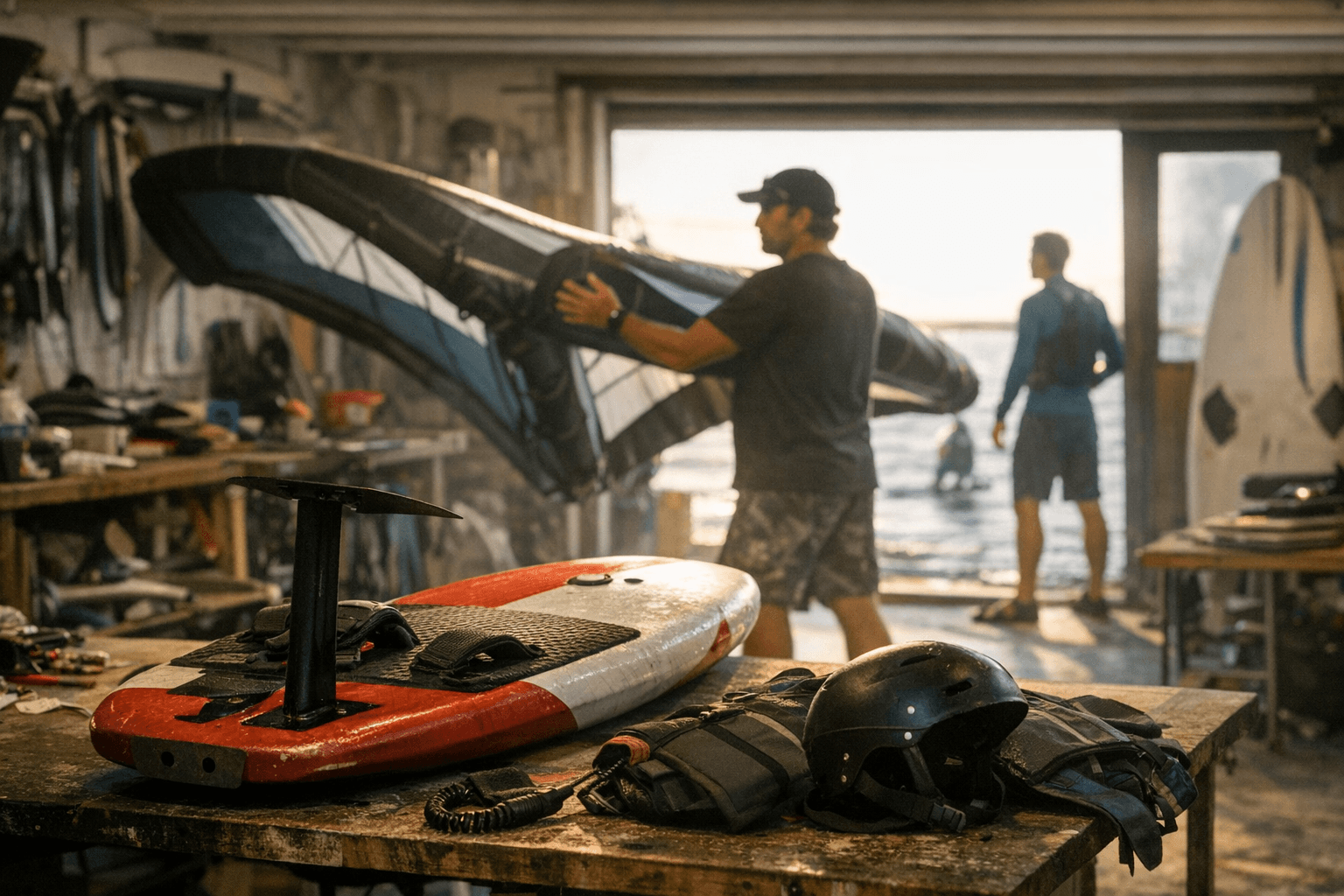
Conditions matter just as much. Ocean Safety’s advice is blunt and useful: start in calm water and light wind, not offshore wind and rough water. Wingfoil needs less kit than kiting and less space to kit up, which makes it appealing, but the foil also raises the stakes once things go wrong. That is why a PFD is the minimum safety kit, with a helmet and impact vest strongly recommended.
This is the part that decides whether wingfoil becomes a real part of your routine or just an occasional experiment. If you live near a forgiving launch and you can ride often, the learning curve starts to pay back quickly. If your spot is inconsistent, crowded, or exposed, the sport can feel like a lot of setup for a short session.
Why the growing scene matters to your decision
The speed of the sport’s spread tells you a lot about where it sits in foiling now. The Windsurfing Association of Hong Kong says wingfoil was introduced there around 2018 to 2019, then the International Wing Sports Association and the Global Wingsports Association started organizing international tours in 2021. Hong Kong held its first local Wingfoil Championships in May 2022, and Rafeek Kikahoy and Chan Hei Man Hayley won gold at the first Wingfoil Racing Asian Championships in March 2023.
That timeline is short, which is exactly why the gear and coaching culture still feel like they are catching up. In places like Hong Kong, including the Stanley Beach scene, the sport is already visible enough to support events and athletes, but it is still young enough that the learning path is being defined in real time. The upside is obvious: you are not buying into a dead-end niche. The downside is that you are also not stepping into a mature system with one obvious answer for every rider.
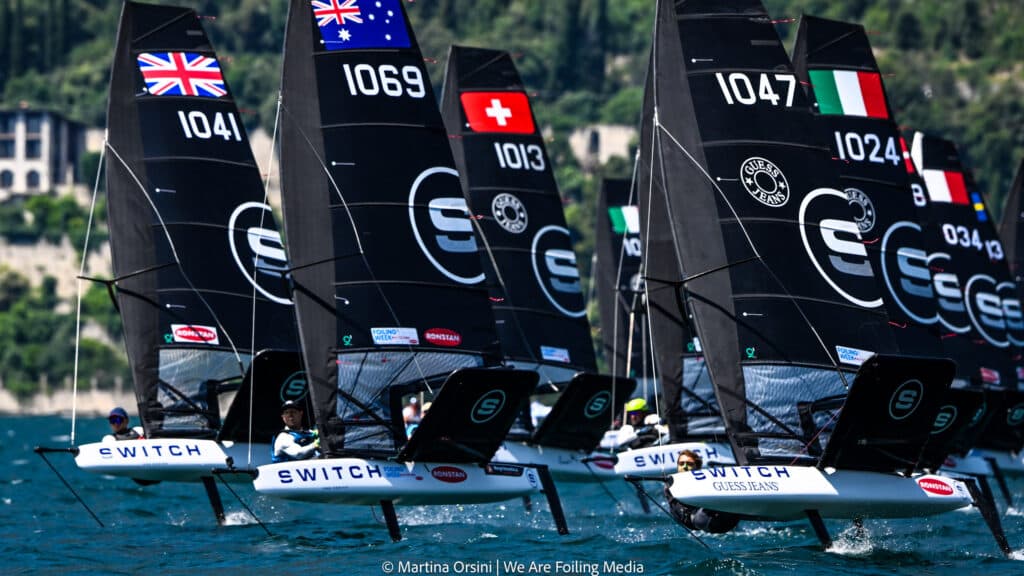
Competition has already split into clear lanes, mainly surf-slalom and surf-freestyle, so even the event side is showing that wingfoil is more than one thing. That is a good sign if you like room to progress, but it is also a warning that a “one board does everything” promise usually falls apart once you ride enough.
What the brands are really telling you
The gear makers are saying the quiet part out loud. Starboard frames its wing-foiling system as a progression path from first flights through world-stage performance, and its beginner guide says the learning curve can be fast-tracked with coaching, while still warning complete beginners not to rush. That is not marketing fluff, it is an admission that the sport rewards good instruction and punishes impatience.
Starboard’s 2026 range makes the same point from a different angle. The lineup now spans learner, race, pump, downwind, and inflatable foilboard categories, which tells you the category is fragmenting instead of staying a single all-purpose lane. Starboard also said its VIVA Wing drew sign-ups from riders in more than 14 countries before launch, a useful reminder that wingfoil is no longer a tiny insider project.
That breadth is the real appeal if you like tuning gear to the day. It means you can build around where you actually ride, whether that is a mellow learner setup, a downwind-oriented board, or something more performance focused. It also means the wrong purchase stings more, because the market now gives you enough specificity to make a better choice and enough temptation to make a bad one.
So is it worth adding to your quiver?
If you want a foil discipline that gives you range, self-propelled access, and genuine upwind return, wingfoil earns serious consideration. It is one of the most flexible ways into foiling because it can work across freeride, light-wind cruising, and progression, and it can turn marginal wind into a usable session instead of a wasted drive.
If what you want is the simplest possible water time, or you only ride a handful of times a year, the trade-offs bite harder. You need time to learn, a sensible board-and-foil match, safe conditions, and the discipline to use proper protection from the start. Wingfoil is not the easiest branch of foiling, but for riders who value freedom, range, and the ability to make more of the wind they actually get, it is one of the smartest places to put money and effort.
Know something we missed? Have a correction or additional information?
Submit a Tip