BlueDew’s Wet Noodle nib promises softer steel flex writing
BlueDew’s Wet Noodle gets unusually close to vintage-style flex for a steel nib, but it still rewards light hands, smooth paper, and disciplined ink flow.
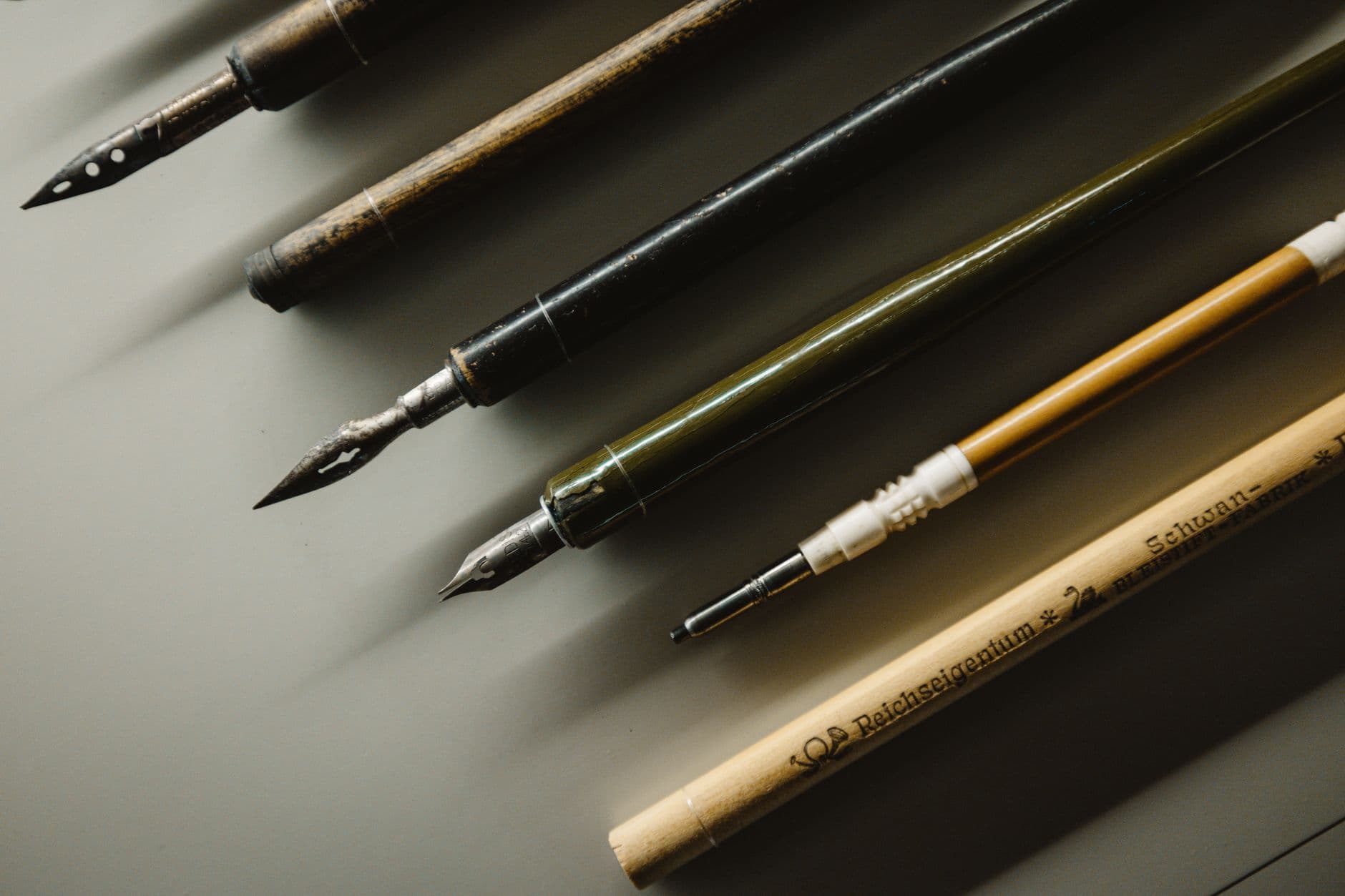
BlueDew’s Wet Noodle is built for the part of the flex chase that never goes away: the hope that a steel nib can give you vintage-style line variation without the dip nib ritual. That is the real appeal here, and it is also the real test. BlueDew is a registered Singapore company, UEN 53452737W, and its whole lane has been affordable stainless-steel ultra-flex nib fountain pens for calligraphy and artistic expression.
What BlueDew is chasing
The brand’s first pen arrived in 2020 with a nib system aimed at Zebra G-style writing without constant dipping, and the Wet Noodle continues that idea in a more developed second-generation setup. BlueDew says the Wet Noodle is its original design, and that it took 12 prototypes to get there. The company also claims the nib produces about 1 mm of swell with 150 g of force, and that it is roughly 25% softer than the Leonardt Principal Extra Fine, the well-known dip nib many calligraphers already trust for fine hairlines and healthy swells.
That comparison matters because the Leonardt Principal Extra Fine is not a casual reference point. It is a respected professional nib, and BlueDew is choosing to measure itself against a benchmark that already lives in the hands of serious lettering users. If a steel nib wants to enter that conversation, it has to do more than look flexy under a camera light.
How the Wet Noodle is packaged
BlueDew lists the Wet Noodle as compatible with its Writer, Crystal, and Essential series pens, which tells you this is meant to be a system, not a one-off nib swap. The Crystal series is the brand’s preferred match, and the concrete example here is the Crystal Aquamarine Mist, priced from US$130. It is a piston-filler, not a converter pen, and BlueDew lists it at about 150 mm capped and 130 mm uncapped.
The details around that body matter more than they usually do with a nib review. The Crystal Aquamarine Mist listing also calls out a stainless-steel nib with a vintage-inspired heart-shaped breather hole, plus a sapphire set into the clip. Those are cosmetic cues, but they also signal what BlueDew is selling: a pen that wants to feel a little more considered and a little less utilitarian than the usual flex experiment.
The line between expressive and fussy
A nib that opens about 1 mm with 150 g of force is not a toy, and it is not a magic trick either. That amount of response suggests a nib that is soft enough to give real line contrast, but still controlled enough to stay within the boundaries of a normal fountain pen rather than a full-on dip setup. The upside is obvious: you get a steel nib that can move. The compromise is just as clear: you have to use it with a light hand and understand where the limits are.
This is where modern flex often falls apart, and why BlueDew’s Wet Noodle is interesting. A lot of modern nibs promise variation, then collapse into either scratchiness, railroading, or a frustrating need to baby the pen every few strokes. The Wet Noodle is trying to avoid that trap by being soft enough to matter while still living in a piston-filler pen that can be filled, capped, carried, and used without the whole dip-nib workflow.
Skill still counts, and it counts a lot
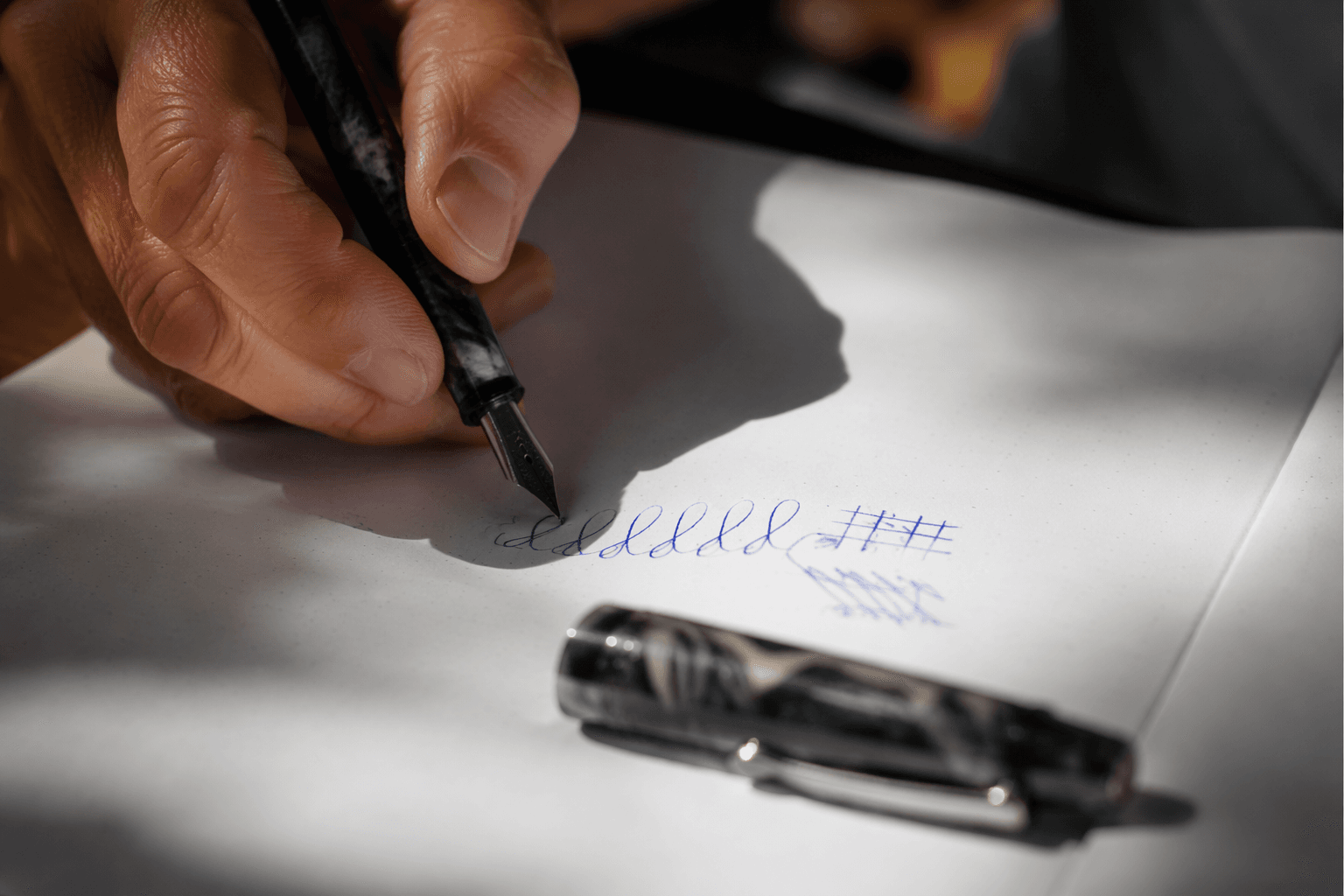
If you want the Wet Noodle to behave, your hand matters more than your enthusiasm. Line variation on this kind of nib comes from controlled pressure, smooth release, and staying inside the nib’s comfort zone instead of forcing it to perform. That makes it feel much closer to a specialist tool than a casual daily writer, even if the pen body itself is practical enough to bring into ordinary use.
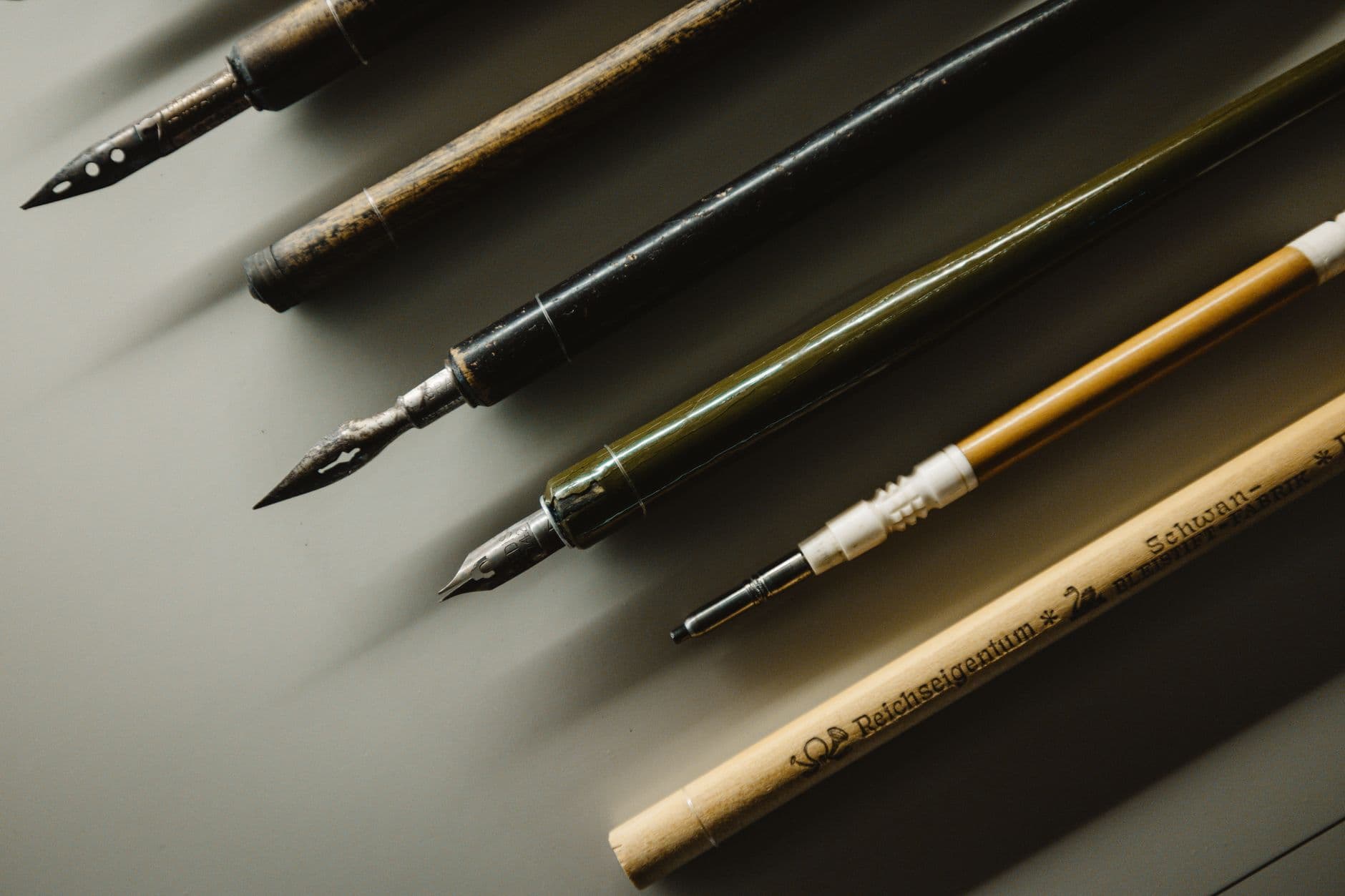
Paper and ink also stop being background details the moment you start flexing. Smooth paper helps the nib glide cleanly through hairlines and swells, while well-behaved ink flow keeps the writing from stuttering when the nib opens up. That is the hidden cost of chasing vintage-style softness in steel: you are not just buying a nib, you are buying into a whole setup that has to work together.
Where it fits in the modern flex conversation
Independent reviewers on YouTube, including Teoh Yi Chie, and discussion in places like Fountain Pen Network have treated the Wet Noodle as unusually soft for a modern steel nib and as one of the more serious attempts to echo vintage flex behavior. That is the right frame for it. BlueDew is not pretending this is a substitute for every vintage wet noodle ever made, and it is not trying to disguise a calligraphy nib as a normal office writer.
Instead, it is pushing the category forward with something that sits between the dip world and everyday fountain pen use. That matters for people who want expressive marks without hunting vintage stock, buying a separate holder, or turning every writing session into a setup exercise. It also helps explain why BlueDew has broadened its nib lineup beyond the Wet Noodle to include SuperSoftFlex, SoftFlex, CalligraFlex, and Italic options, plus CNC-turned pens and bespoke nib grinding services.
The reality check is simple: the Wet Noodle is close enough to make vintage flex fans pay attention, but not so forgiving that it stops being a specialist. On good paper with the right ink and a controlled hand, it can deliver the kind of line variation that makes steel flex worth chasing. Used casually, it is still a nib that asks for respect, which is exactly why it feels more convincing than most modern flex promises.
This article was produced by Prism’s automated news system from verified source data, official records, and press releases, then run through automated quality and moderation checks before publishing. The system is built and supervised by the people who set the standards it runs under. Read our full AI policy.
Did this article answer your question?