Daily copywork helps fountain pen users improve handwriting
A few minutes of copywork can sharpen rhythm, spacing, and pen control while exposing skipping, dry ink, and nib-fit problems on the page.
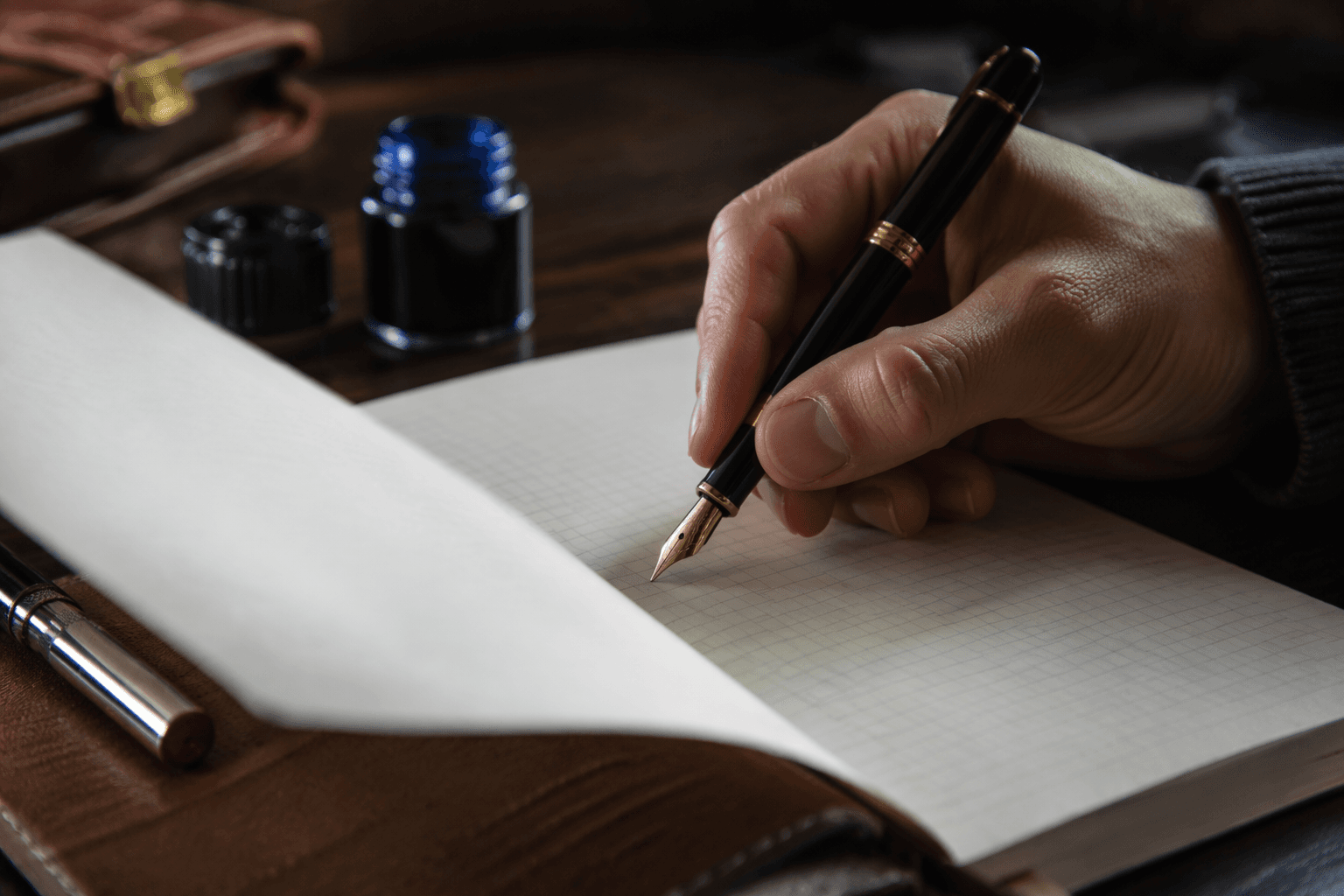
A five- to ten-minute page of copied text is enough to make fountain-pen practice lightweight and repeatable. Kevin Thiemann’s Fountain Pen Revolution guide, published July 23, 2026, recommends short daily passages, letters, or excerpts to build control, rhythm, spacing, and consistency without making practice feel like homework. The same page can also show whether a nib is skipping, an ink is running dry, or a nib size simply does not suit the way you write.
What daily copywork actually changes
Copywork forces repetition without turning writing into a stunt. Fountain pens are sensitive instruments, and the way you hold them, the pressure you use, and the paper you put under the nib all change the result on the page. Repeating short text gives you the same strokes over and over, which is exactly how you start seeing cleaner spacing, more even rhythm, and less wandering pressure.
Writing well with a fountain pen depends on technique and handling, not just the pen itself. A fountain pen does more than lay down ink. It records your habits in your grip, pressure, spacing, and rhythm.
How to build a routine that sticks
A good copywork session does not need to be elaborate. Keep it lightweight enough to repeat tomorrow. Use a notebook, planner, or journal page, then copy one short passage, a letter, or a small excerpt slowly enough that you can watch your strokes instead of rushing through them.
The trick is to treat it like a real writing session, not a swatch test. If you slow down just enough to keep your letterforms steady, you get the benefit of practice without needing artistic lettering skill or expensive paper. That makes copywork much easier to keep alive than a more ambitious handwriting project that asks for special tools, a long block of time, or a perfect desk setup.
A simple routine looks like this:
1. Choose a short passage you can finish without hurrying.
2. Write it on the paper you actually use for daily notes.
3. Keep your grip and pressure relaxed enough to notice how the nib feels.
4. Stop when the writing starts to sag, because that is usually where sloppy habits start creeping back in.
Why it is such a useful test for fountain pens
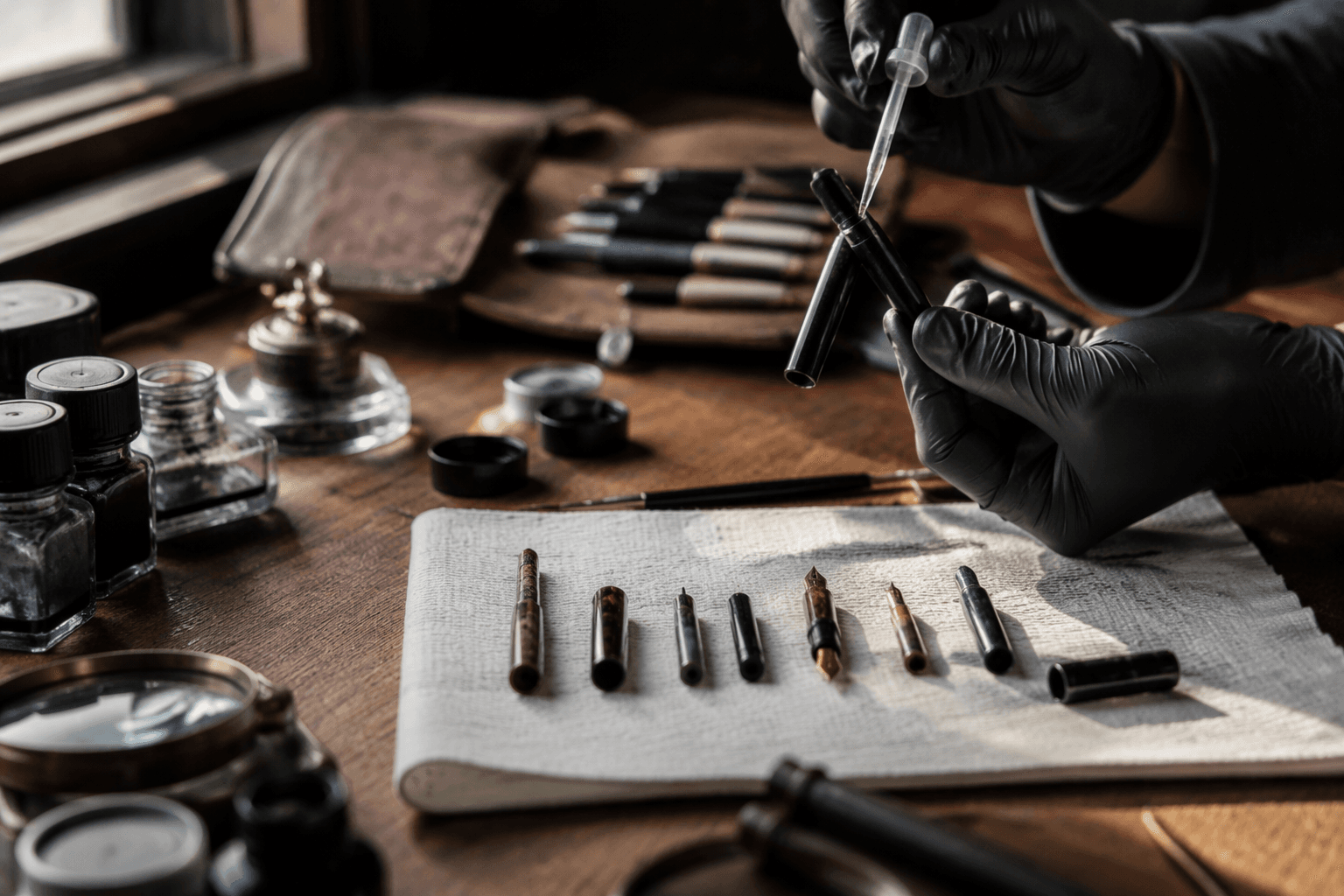
Copywork is especially good at exposing the small problems that a fountain pen can hide in casual use. A nib that skips once in a while may not bother you during a signature or a quick note, but it becomes obvious when you are repeating the same letters line after line. Ink that feels too dry shows up the same way, and nib sizes that looked fine on a test card can feel cramped or awkward when you are writing actual words.
That makes copywork more useful than a quick ink swatch for comparing pens and inks. Instead of staring at a color sample, you are watching the pen work in motion, on paper, in the same kind of writing you do every day.
Beginners get an easy entry, collectors get a real test
For someone new to fountain pens, copywork is one of the simplest ways to get comfortable. It does not require calligraphy skills, a stack of premium notebooks, or a big time commitment. You can start with one pen, one ink, and one page, then learn what a gentle hand and steady pace feel like before you worry about anything more advanced.
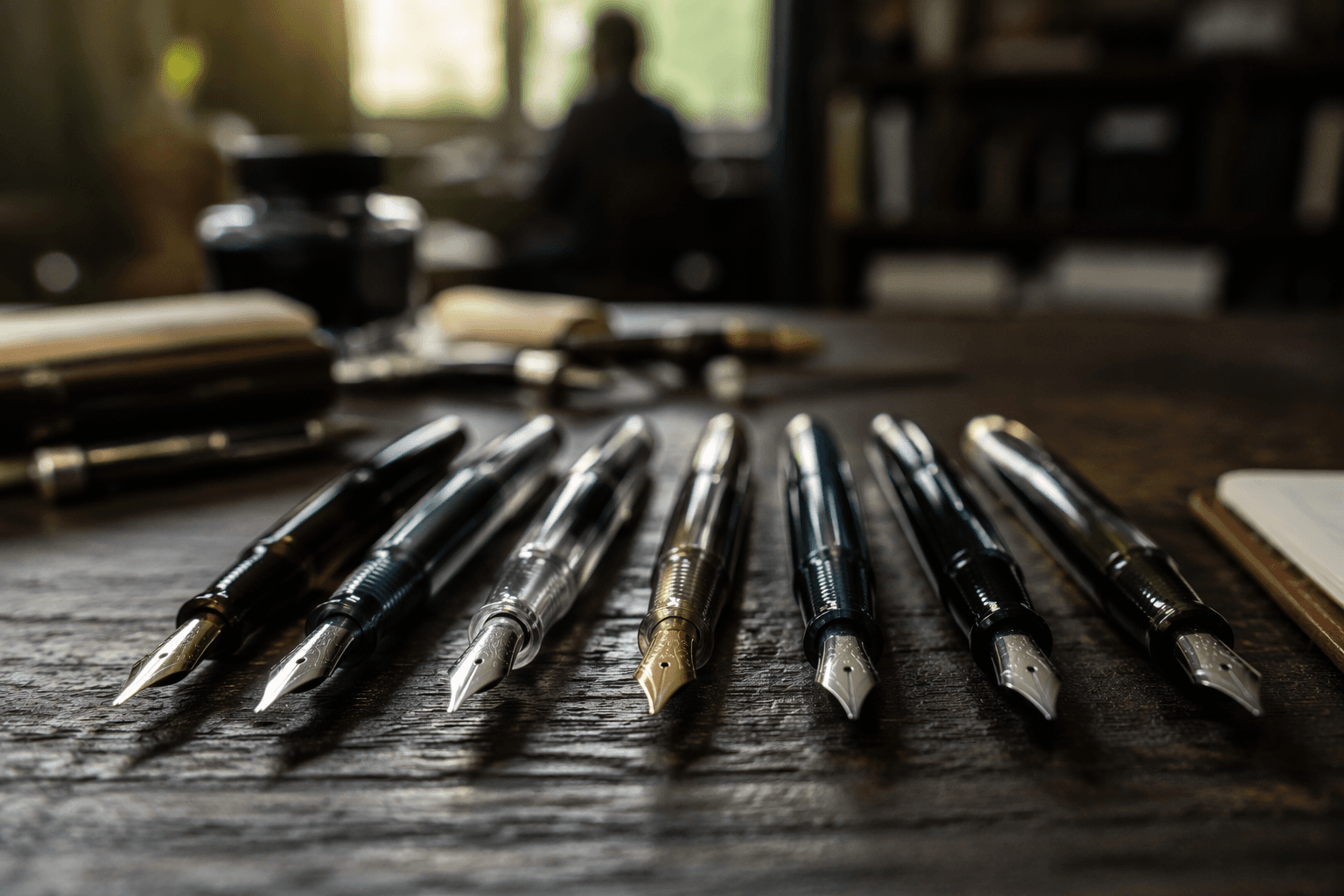
Collectors get a different payoff: copywork gives a reason to rotate pens and inks in a disciplined way. Instead of comparing them only through swatches or desk-drawer impressions, you can see how each one performs in a real writing session. That is where nib size fit becomes obvious, and where a pen that looked great on paper may turn out to be a better fit for notes than for longer passages, or the other way around.
The wider handwriting context
The Writing Instrument Manufacturers Association keeps a handwriting section and a National Handwriting Day page, and its site also includes a National Handwriting Day 2025 press release page.
Early fountain pens were defined as pens with ink inside them, not dip pens. That engineering difference is why fountain pens reward attention to flow, pressure, and paper in a way that ordinary ballpoints often do not. Copywork turns that difference into a daily advantage, because every repeated sentence gives you a cleaner read on how the nib, ink, and paper are working together.
This article was produced by Prism’s automated news system from verified source data, official records, and press releases, then run through automated quality and moderation checks before publishing. The system is built and supervised by the people who set the standards it runs under. Read our full AI policy.
Did this article answer your question?