Midyear pen check-in shows collection growth and buying limits
Seventeen pens in, 14 ink bottles down, and the buying cap is already under pressure. Rachel’s midyear reset is a practical template for trimming drift before the next order.

Seventeen pens in and one commission still pending, Rachel’s midyear check-in shows how fast a collection can drift away from the plan. Her 30-pen ceiling, the 14-purchase limit on mainstream brands, and the growing consignment pile turn a personal update into a workable reset for anyone who wants to buy with intent instead of impulse.
Set the ceiling before the cart fills up
Rachel’s Reflections is mostly a books-and-fountain-pens blog, and the pen side of the hobby gets treated like a real inventory rather than a mood board. Her 2026 rules are blunt: no more than 30 pens total, fewer mainstream-brand buys, no buying on credit, more pens listed for sale or consigned, a full review of what can leave the collection, and more actual writing with the pens already owned.
A ceiling gives you a number to check against before another nib arrives. If your own pen year has started to blur together, the first reset is simple: count everything that came in, including gifts and non-fountain pens, then decide whether the pile still fits the ceiling you set in January.
Count acquisitions by type, not just by total
By midyear, Rachel was exactly where she was at the same point last year, and two pens above the pace she would want if the 30-pen cap were spread evenly across the first half of the year.
A flat total hides what actually happened. A collection can grow through a commission, a gift, a pen show pickup, or a small-shop order, and those acquisitions do not all behave the same way once they land on the desk. Separating fountain pens from ballpoints and rollerballs gives you a better read on whether you are buying writing tools you will use, or simply chasing the next object.
Ink tells the truth faster than pens do
Rachel’s ink goals are sharper than her pen goals: sample before buying bottles, avoid duplicates, use more of the samples already on hand, and be more selective about similar colors. Those rules expose whether a collection is being used or merely expanded.
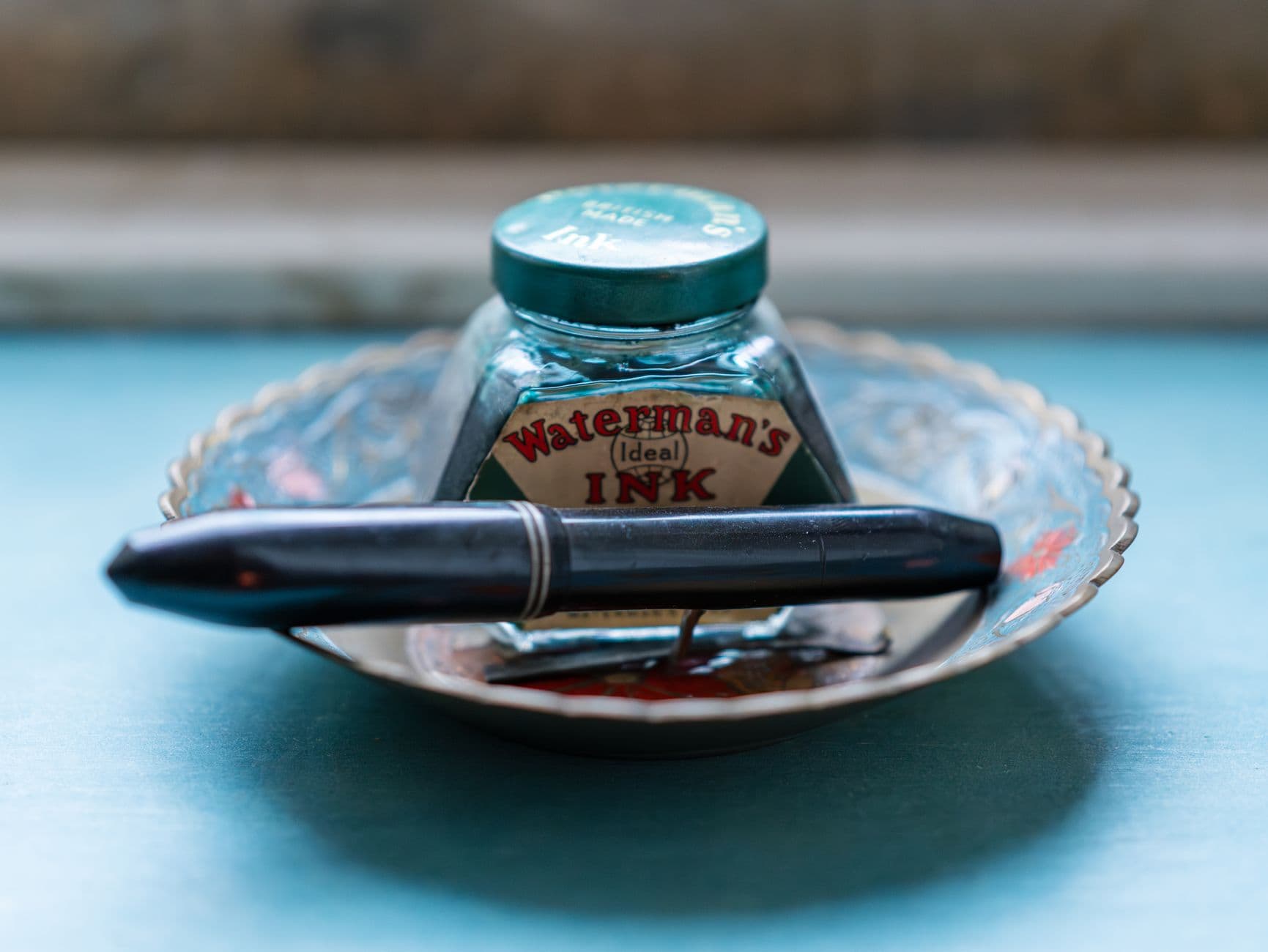
She has acquired 14 ink bottles so far, compared with 26 at the same point the previous year. The drawer is being treated like a working stash instead of a storage unit, with samples getting used before more bottles come home.
Selling and consigning are part of the hobby, not a cleanup chore
Rachel’s pens have been consigned with Happy Hour Pens And Gifts, the other side of collection growth: the exit lane. If you only count what arrives, your shelves will lie to you. A serious midyear audit also asks what should be sold, consigned, or moved along before it becomes dead weight.
Happy Hour Pens And Gifts is an online retailer based in Montgomery Village, Maryland. It sells pens, fountain pens, rollerballs, ballpoints, pencils, paper, gifts, and related accessories, and attends the Ohio Pen Show and the Atlanta Pen Show. The shop also lists brands including Nahvalur, Omas, Benu, Laban, Leuchtturm1917, Platinum, and Colorverse, which gives it a broad enough bench to handle the sort of mixed collection Rachel is describing.
Use the midyear reset as a buying filter
If you want Rachel’s check-in to do more than make you nod in recognition, turn it into a short audit before the next purchase. Start with the total count, then split the numbers by pen type, by source, and by whether the item is already in hand or still a commission in progress. Then do the same with ink: bottles versus samples, duplicates versus variety, colors you actually reach for versus colors that only look good in a cart.
1. Set a hard ceiling for the rest of the year, and make sure it includes gifts, commissions, and non-fountain pens.
2. Break the count into categories so a ballpoint or rollerball does not hide a fountain-pen buying streak.
3. Compare your ink bottles against your samples, then use the sample drawer before buying another bottle.
4. Pull out the pens you can sell or consign, and move them before they become background clutter.
5. Look at use, not just ownership.
This article was produced by Prism’s automated news system from verified source data, official records, and press releases, then run through automated quality and moderation checks before publishing. The system is built and supervised by the people who set the standards it runs under. Read our full AI policy.
Did this article answer your question?