Pilot Vanishing Point guide explores capless fountain pen appeal
If you want a fountain pen that clicks open like a ballpoint, the Vanishing Point makes sense. If the clip or grip placement bothers you, it is an expensive mismatch.
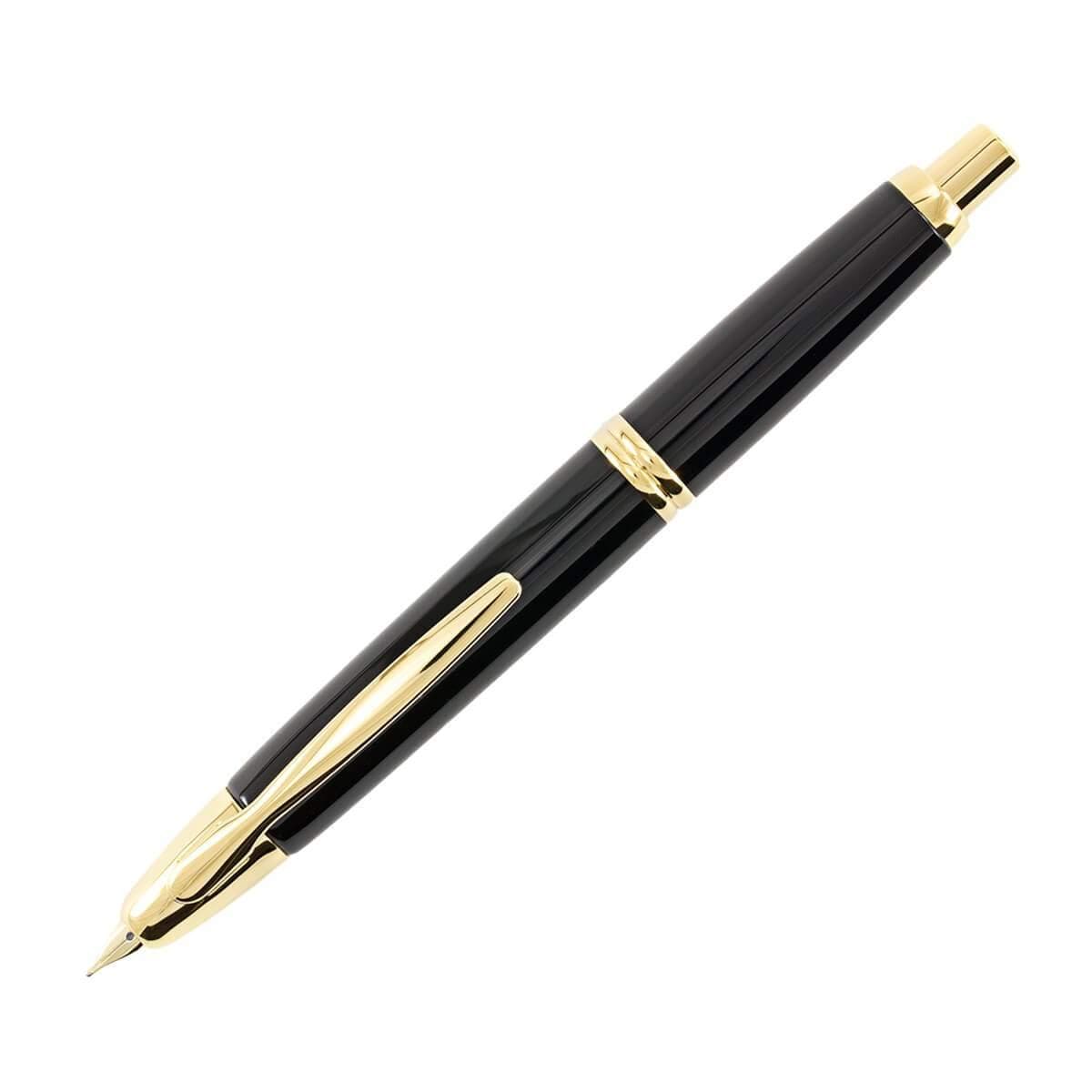
If you want a fountain pen that behaves like a ready-to-go tool instead of a small ritual, the Pilot Vanishing Point is the one to study. If you already know you dislike clip-forward grips or fiddly refill routines, it can just as easily become the premium mistake you wish you had avoided.
Who the Vanishing Point actually fits
The Vanishing Point makes the most sense when speed matters. Quick notes in meetings, one-handed use at a desk, and carry in a bag or pocket are exactly the situations where a retractable fountain pen earns its keep, because you do not have to deal with a cap every time you need to jot something down. That is the whole point of the capless idea, and it is why this model keeps showing up in workhorse pen discussions instead of purely collector talk.
It is not a universal fit, though. The clip lives right where many writers want to place a finger, and that is the first real filter on this pen: some hands adapt instantly, others never stop noticing it. If you prefer a conventional capped pen with an open grip section and no fixed clip in the way, the Vanishing Point can feel less like a shortcut and more like a compromise.
What the capless mechanism changes
The appeal of the Capless design is obvious the first time you use it. Pilot built a fountain pen that opens and closes with a click, so the pen can stay closed in a pocket, then go straight to paper without a separate cap to post or set aside. That convenience is why the design still feels unusual even though it has been around since the 1960s.
The trade-off is that the mechanism changes how the pen handles in real life. You are not getting the same balanced, uninterrupted shape as a traditional capped fountain pen, and the nib unit sits within a body that has to make room for the retractable system. For some writers, that is the charm, because it feels efficient and modern. For others, especially people who are picky about hand position, the clip and the mechanism are enough to send them back to a standard snap-cap or screw-cap pen.
Nib feel and size choices
Pilot outfits the Vanishing Point with 18k gold nibs, and the nib lineup is broader than many first-time buyers expect. Retail listings and comparison posts point to Extra Fine, Fine, Medium, Broad, and a Japan-only Fine Medium, with some discussions adding Stub to bring the family to six nib sizes overall. That gives you real room to tune the pen for note-taking, signatures, or a wetter daily writer.
The better question is not which nib exists, but which nib fits your writing habits. An Extra Fine or Fine makes the Vanishing Point easier to use on typical office paper, while Medium and Broad are the natural choices if you want a fuller line and do not mind ink showing through more quickly. Because this is a retractable fountain pen, nib feel matters even more than usual, since the pen is often bought as a daily carry tool rather than a desk-only indulgence.
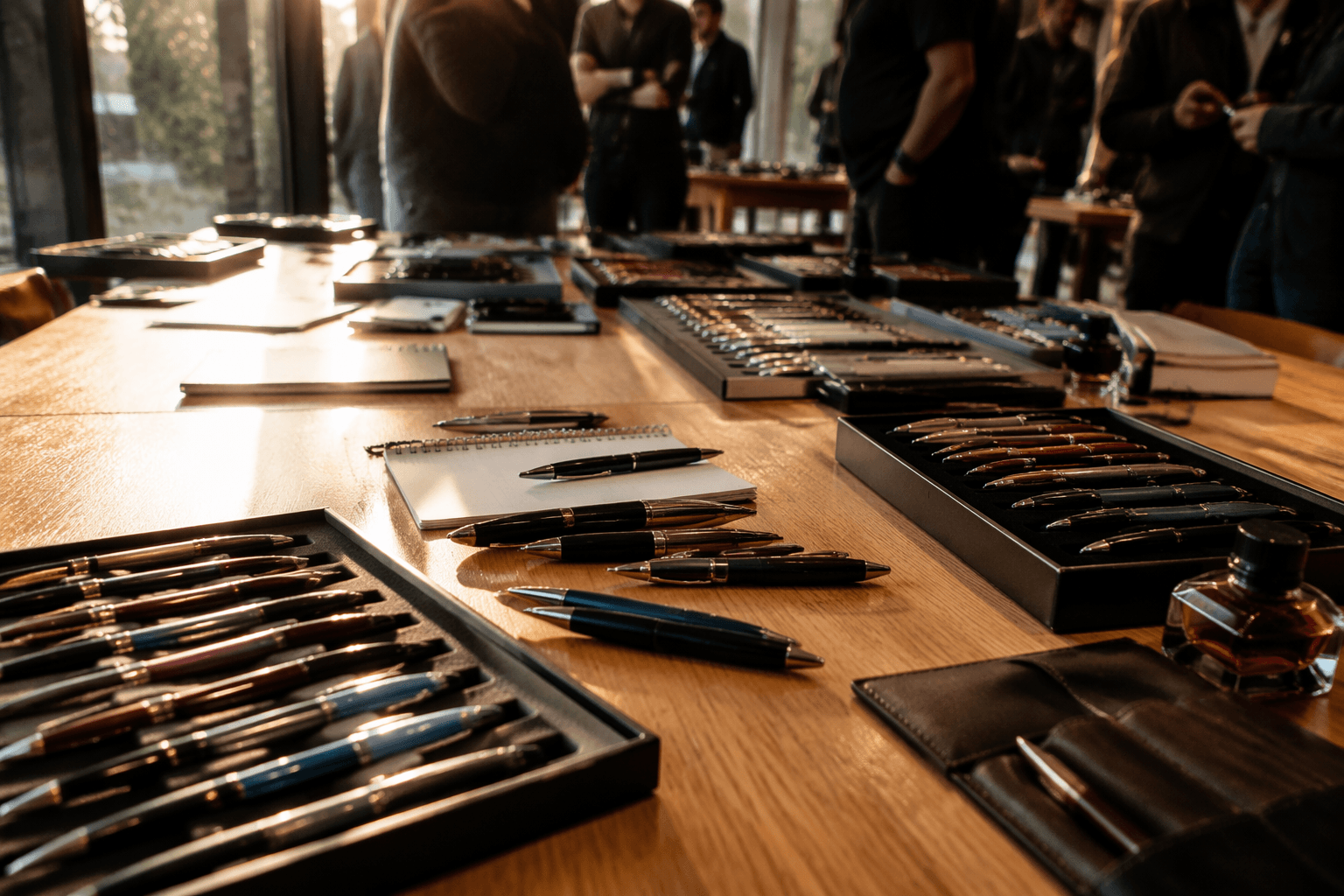
Filling, ink capacity, and maintenance
Refilling is straightforward, but it is not the carefree part of the experience. Pilot’s Vanishing Point uses bottled ink through a converter, and one filling guide shows the included CON-40 converter being used for that job. To install a cartridge, you unscrew the barrel sections to access the nib unit first, which makes the pen more involved than a normal cartridge pen even before you touch the ink.
That matters if you write a lot. A converter-and-cartridge system is never as generous as a larger-fill design, so the Vanishing Point is better for people who refill regularly than for people who want to forget about ink for weeks at a time. The mechanism itself is also part of the maintenance equation, which is why buyers who treat a fountain pen like a disposable click pen often bounce off this model once they realize it asks for a little more attention.
Pilot context matters here
Part of the Vanishing Point’s appeal is that it comes from a company with deep pen-making roots, not from a novelty project. Pilot’s Japanese history traces the founders, Ryosuke Namiki and Masao Wada, to their time at the Tokyo University of Mercantile Marine, and Pilot says that by 1918 it had already succeeded in machining and welding iridosmine, the alloy used in pen points. That is old-school nib history behind a very modern mechanism.
The Capless family is not frozen in the past either. Pilot’s Capless LS page shows the line still active in the current lineup, which is why the Vanishing Point keeps getting treated as a living product family rather than a museum piece. In the U.S., Pilot Pen’s writing-instrument arm is headquartered in Jacksonville, Florida, while Pilot Company, the separate travel-center business founded by Jim Haslam in Gate City, Virginia, in 1958, is an unrelated operation that expanded to 12 locations by 1965 and later opened its first full-service travel center in Corbin, Kentucky. The names are easy to mix up; the pens are not the trucks.
The launch story is a little messy in the records, but the broad shape is clear. Search results place the original Capless in the 1960s, with the Vanishing Point name coming later in the U.S. market, and some sources tie an official launch date to October 21 while others point to a 1972 or 1973 reintroduction. For buying purposes, the exact year matters less than the design lineage: this is the original retractable fountain pen, and it still asks the same question of every buyer, whether the convenience is worth the clip, the grip, and the refill trade-offs.
That is the real Vanishing Point test. If you need a fountain pen that gets out of the way and writes on command, the capless mechanism earns its reputation immediately. If you want a more traditional capped pen experience, the clip placement and refill compromise will tell you that before the ink runs out.
This article was produced by Prism’s automated news system from verified source data, official records, and press releases, then run through automated quality and moderation checks before publishing. The system is built and supervised by the people who set the standards it runs under. Read our full AI policy.
Did this article answer your question?