Why refillable rollerballs are winning over fountain pen fans
Refillable rollerballs now give fountain pen fans the same ink choices with less fuss, and the latest Schmidt-backed models finally feel polished enough for daily carry.
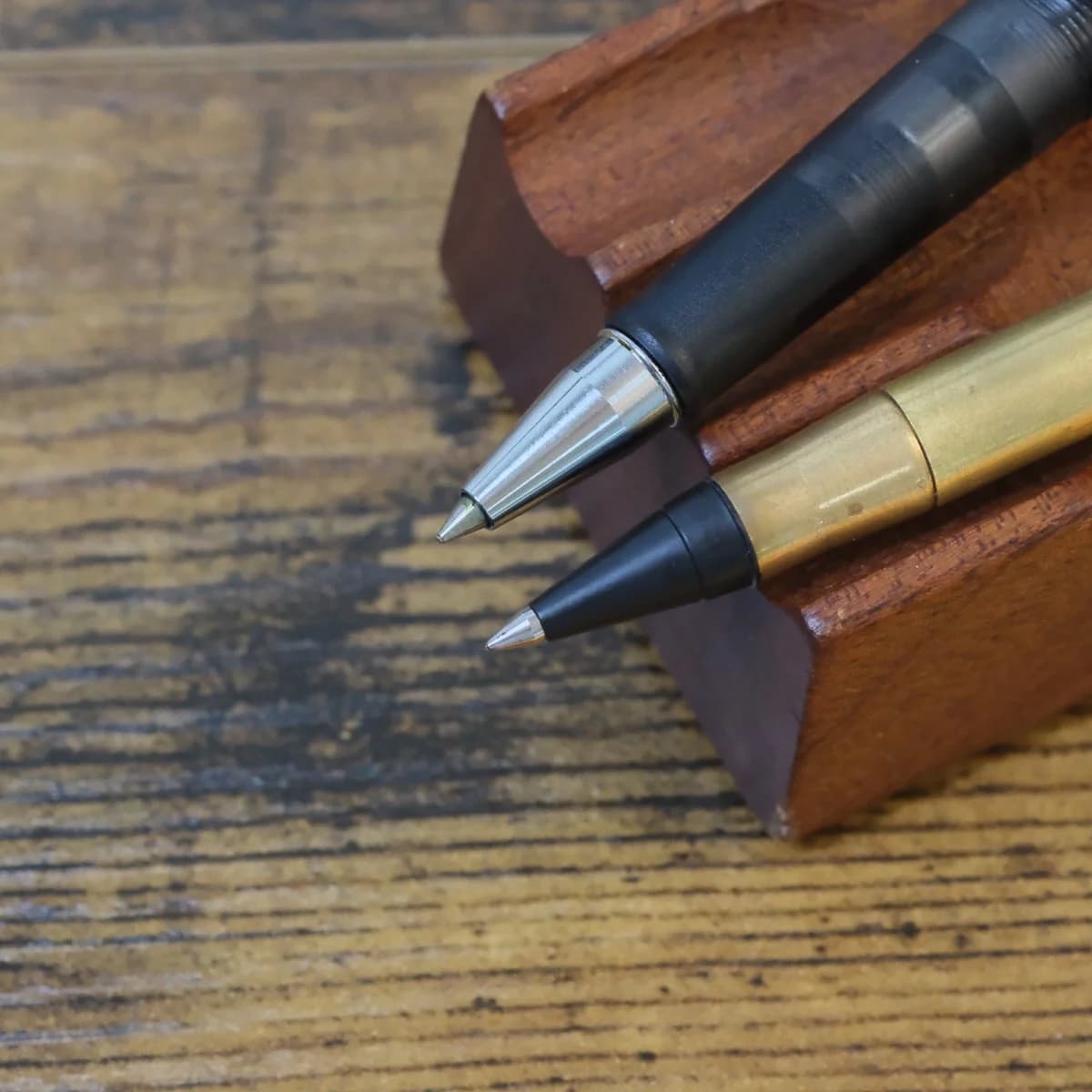
Rollerball pens emerged in the 1960s as an attempt to combine the smoother feel of a fountain pen with the practicality of a ballpoint. Refillable rollerballs, often called inkballs, solve a more specific problem for fountain-pen users: bottled-ink flexibility without all the maintenance, caution, or social friction that comes with a nib. What used to feel like a niche detour now looks like a practical bridge, especially in offices, on the road, and on paper that is less than fountain-pen friendly.
What a refillable rollerball actually is
Mechanically, SCHMIDT Technology’s cartridge-rollerball-system PRS follows the functional principle of a fountain pen while using common ink cartridges, and the system relies on a specially developed low-wear ball tip for durability. In other words, you are still living in the fountain-pen ink world, but the pen writes with the more controlled, ball-bearing feel that many people find easier day to day.
The category is not trying to be a watered-down fountain pen. The newer versions have improved a lot in ink flow consistency and cleaning, which is a big part of why the format feels more credible now than the early attempts. Kakimori’s rollerball nibs are also made by SCHMIDT, and the writing experience feels familiar to fountain pen users even though the line behavior is different on paper.
Why fountain pen fans keep coming back to them
The strongest argument for a refillable rollerball is convenience without giving up ink choice. If you like bottled-ink color, shading, or just the ritual of choosing your fill, a rollerball body lets you keep that part of the hobby while removing some of the fuss. That is especially attractive for pigmented or permanent inks, where a cleaner, simpler maintenance routine can make the difference between using a pen often and leaving it on the desk.
They also fit places where a fountain pen can feel like too much of a signal. In office settings, a refillable rollerball can slide under the radar in a way a gold-nib pen often does not. It looks less precious, less intimidating, and less likely to prompt the kind of conversation that makes some people stash their favorite pen back in the case.
There is also the matter of consistency. Rollerballs do not vary line width the way fountain pens do with nib angle, pressure, or grind, so the line is more predictable from one page to the next. That makes them useful for fast note-taking, especially when you want a neat line without thinking about the nib every few seconds.

Where they beat fountain pens in real use
On mixed paper quality, they are often easier to live with because they are less sensitive to the exact nib-paper relationship that can make fountain pens feel temperamental. They are also a strong option for travel, where you may want fountain-pen ink without packing the full mental overhead of a fountain pen workflow.
The refillable version now lets that hybrid logic play out with better parts, better flow, and much more interesting ink options.
Where they still fall short
Refillable rollerballs are not a clean replacement for fountain pens, and the paper still has the final word. A wet ink on absorbent stock can spread enough to widen the line beyond the nominal tip size, so the supposedly precise 0.5 mm experience can drift if the paper is bad. That means the pen is more stable than a fountain pen in some contexts, but it is not magically immune to ink behavior.
They also do not give you the same line variation or tactile feedback that a true nib offers. If what you love is the interaction between nib, angle, pressure, and paper, a rollerball can feel flatter.
The brands that made the format feel real
The category started looking more visible with early mainstream options like J. Herbin’s inexpensive model and TRAVELER’S Company’s Brass pen with a refillable rollerball tip. More recently, Kakimori’s Frost line pushed the idea into a more polished, design-led space. The format moved from curiosity to an actual product lane with recognizable names behind it.
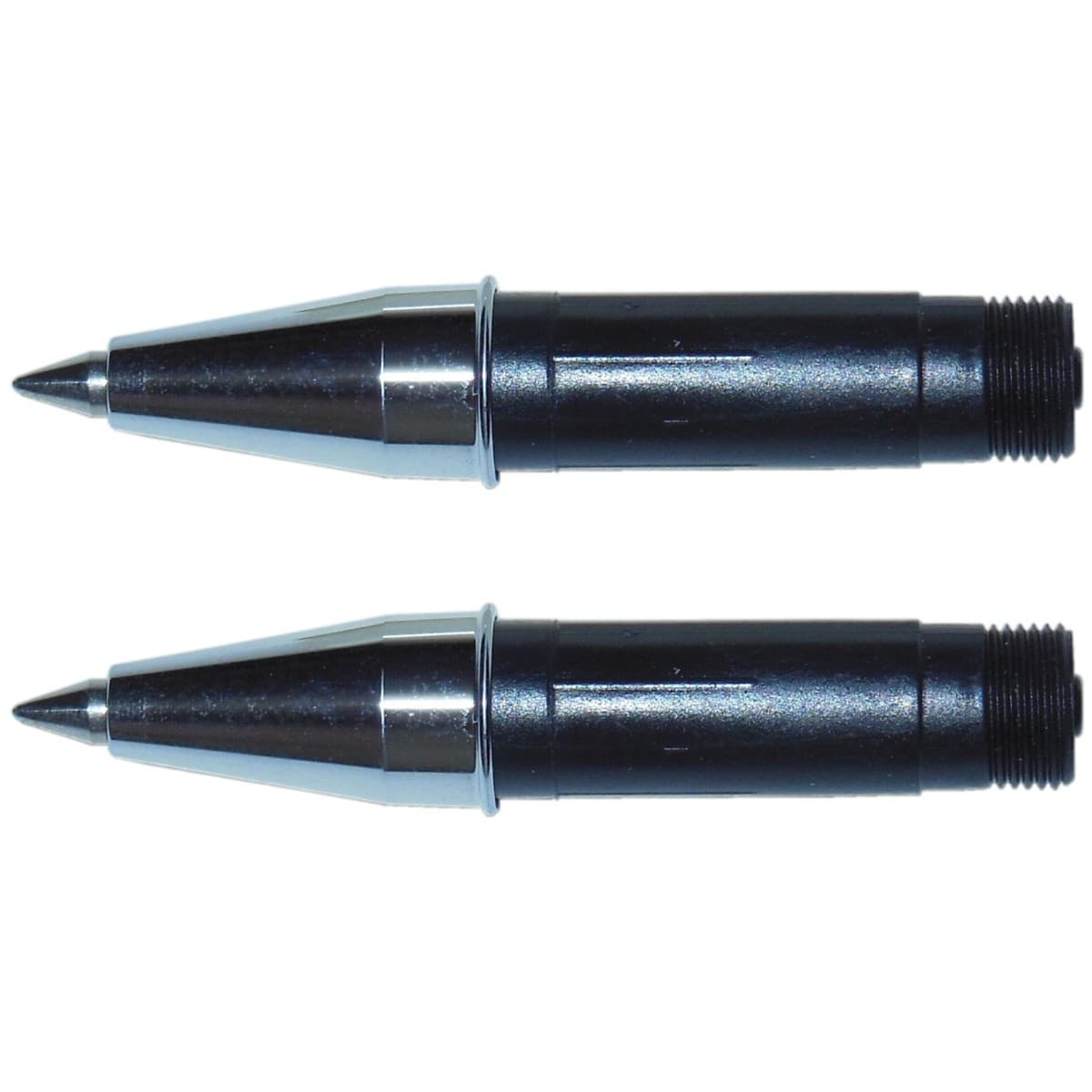
JetPens now keeps a dedicated refillable rollerball category and calls the format economical and environmentally friendly. Its listings include heritage and premium models.
TRAVELER’S Company and the carry-first idea
TRAVELER’S Company’s brass rollerball makes the design brief obvious. TRAVELER’S notebook was released in 2006, the passport size in 2009, and BRASS PRODUCTS in 2010, which places the pen inside a broader travel-oriented system rather than treating it as a standalone gimmick. The Brass Rollerball Pen is listed as 0.5 mm, includes a black cartridge, and is designed to be compact for carrying and elongated for writing.
TRAVELER’S also publishes maintenance and cartridge-replacement guidance for both its fountain pen and rollerball pen.
Kakimori’s Frost shows where the category is headed
Kakimori’s Frost shows the category getting smarter, not just prettier. The pen was reimagined and relaunched after its earlier version was discontinued, and Kakimori designed Frost as a clear pen that would still look attractive when it was not in use. The current version uses a 0.5 mm rollerball nib, a polycarbonate body, and has a listed weight of 14 g.
The body and packaging are made in Japan, while the nib and converter are made in Germany by SCHMIDT. The nibs come in fine and medium, replacement nibs can revive a clogged pen or switch between rollerball and fountain pen writing, and the Frost cap uses a four-start thread for quicker opening.
This article was produced by Prism’s automated news system from verified source data, official records, and press releases, then run through automated quality and moderation checks before publishing. The system is built and supervised by the people who set the standards it runs under. Read our full AI policy.
Did this article answer your question?