BLM advances Utah route plans affecting Four Corners travel access
BLM opened new route options for 127,000 acres in Grand County, while Kanab and Dinosaur North plans could shift hundreds of miles of Utah backcountry access.
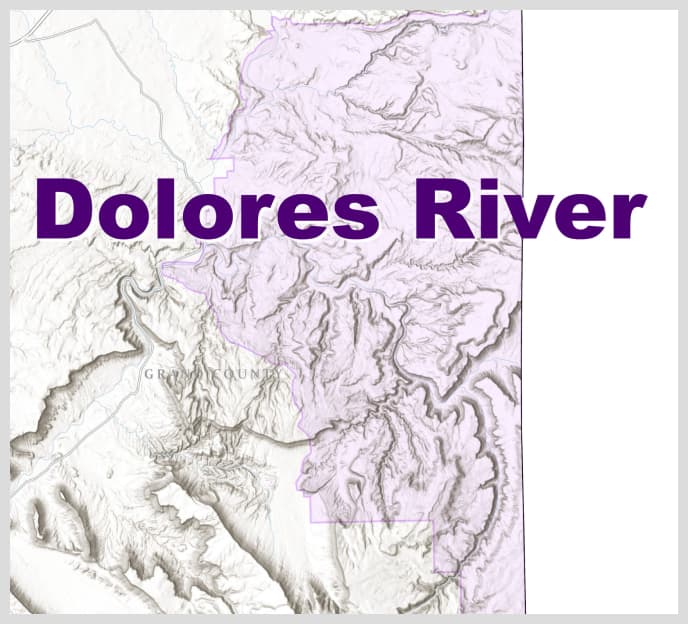
The Bureau of Land Management released preliminary alternatives on June 22 for the Dolores River Travel Management Plan, putting 127,000 acres in Grand County and about 321 miles of existing routes into the next round of route decisions. The proposal could sort motorized travel into open, limited or closed designations.
The release did not start a comment period, and a draft environmental assessment is due in fall or winter 2026. Planning maps and materials are already posted through the NEPA register, and the Dolores River plan is a standalone action unrelated to the broader Dolores River Canyon protection discussion in Colorado. The Moab Field Office has been working this ground since June 2024, when it held public scoping meetings in Moab and Grand Junction.

Utah has 29 travel management areas, and the Moab area has already seen a signed plan in Labyrinth Rims/Gemini Bridges, completed in 2023 for roughly 300,000 acres and about 812 miles of routes. The plan was meant to give users predictability and clarity while reducing conflicts, resource damage and safety issues, and the agency is still reassessing some routes in the area.
In Kanab, the Trail Canyon plan covers about 326,376 acres and would designate 469 miles of routes across 182,766 acres, with comments open June 22 through July 22 and a public meeting set for July 9 in Kanab. In Vernal, Dinosaur North covers about 344,822 acres in northern Uintah and eastern Daggett counties and would designate about 700 miles of routes across 223,616 acres of BLM-managed lands, with comments open through July 22.
This article was produced by Prism’s automated news system from verified source data, official records, and press releases, then run through automated quality and moderation checks before publishing. The system is built and supervised by the people who set the standards it runs under. Read our full AI policy.
Did this article answer your question?