BLM camping rules shape free overlanding across Utah's Four Corners
Free BLM camping in Utah works only if you follow the basics: stay on designated routes, use disturbed sites, and move on before the 14-day limit hits.

On BLM Utah-managed lands, dispersed camping is allowed except where posted otherwise, with no fees, permits or passes required. That freedom is exactly why overlanders use it across the Four Corners, but the rules are there to keep routes open, protect fragile ground, and keep conflict down.
Start with the legal baseline
That broad permission is what makes the state such a useful overlanding launchpad, especially in southeastern Utah and around Moab, where the public-land grid reaches close to red-rock routes and remote desert corridors. But there is a hard limit on how long you can stay: 14 days at any campsite on BLM-managed lands.
If your plan depends on settling into one scenic base camp for an extended stay, the BLM rule forces you to move on. In some undeveloped areas, BLM uses a 14-days-in-a-28-day-period framework.
Use the land that is already disturbed
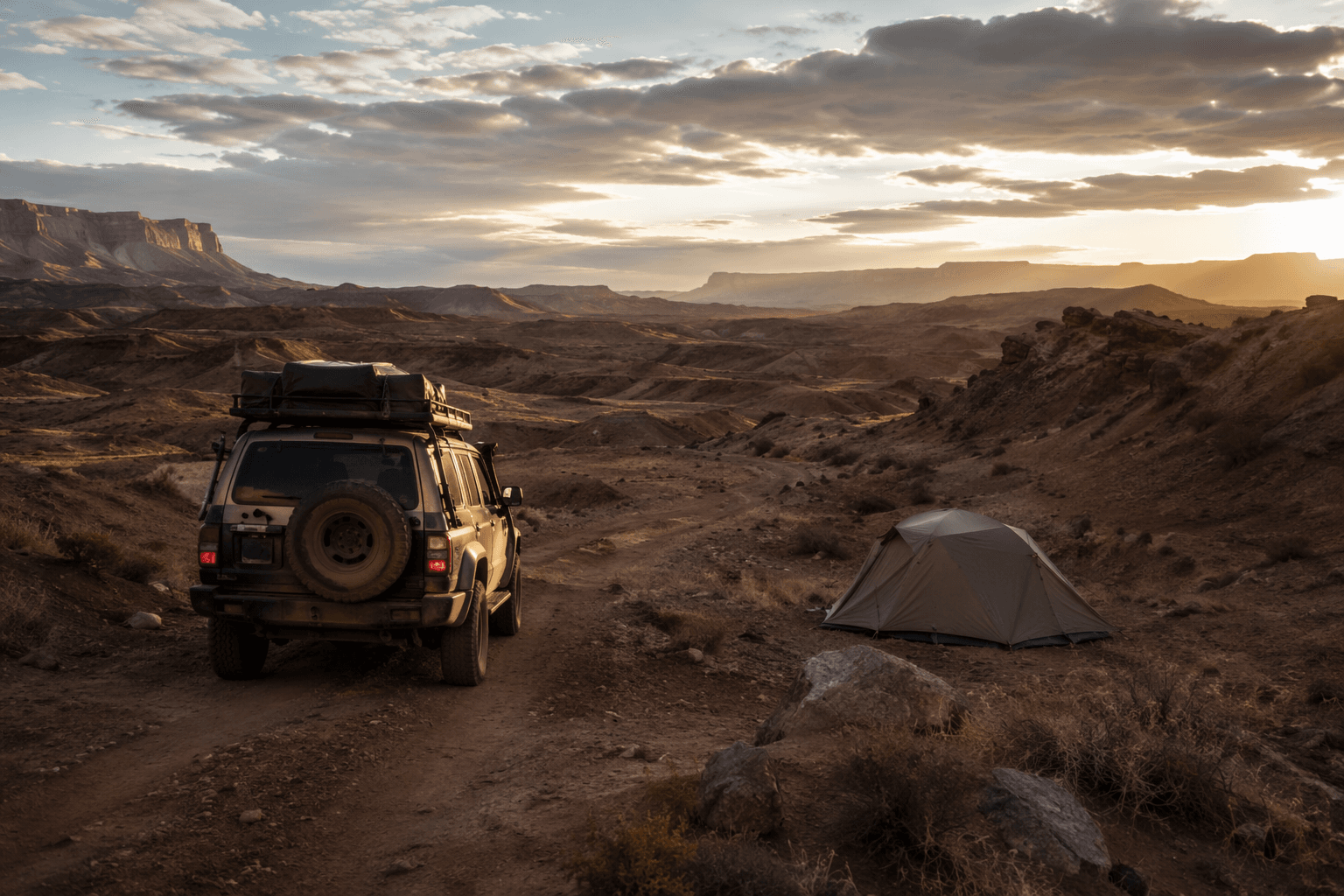
The cleanest campsite is usually not the prettiest-looking open patch. Campers should use previously disturbed sites or disturbed areas rather than cutting a new footprint into untouched ground. That matters most in desert country, where a fresh tire track or tent pad can linger far longer than it would in wetter terrain.
Dispersed camping should not be in the vicinity of developed recreation sites. In practical terms, that means staying away from places built for a different kind of use, where a random camp can clog access, create safety issues, or frustrate the people who came for day-use recreation. If you are rolling into a busy trailhead, a boat ramp, or a developed campground zone, check the map and keep your camp out of the way.
Stay on routes and respect local closures
Use designated routes only. That is not a minor detail in Utah, where illegal cross-country driving can damage cryptobiotic soils and leave visible scars that are hard to erase. If you are overlanding in Moab country or anywhere else with exposed desert ground, the route you choose matters as much as the site you pick.
Check with local offices for off-roading information. A road that looks open on a phone map may be restricted, seasonally limited, damaged by weather, or closed because of fire restrictions or local use conflicts. Before you commit a convoy, verify the route with the field office that manages the area.
Use the BLM’s site-specific pages, not just the broad rule
Utah’s general dispersed camping policy is broad, but the on-the-ground rules can become very specific very quickly. Sand Mountain Pipeline, Hurricane Cliffs, Lambs Knoll, Quail Creek Reservoir, Beaver Dam Wash, Buckhorn Draw, and Exit 131 all have BLM site or travel-management pages, and the local guidance can vary even under the same statewide framework.
Some areas are designated dispersed camping areas, others are designated routes areas, and the details can affect where you park, how you access a site, and whether your vehicle setup fits the terrain. The same is true in places such as Indian Creek and the Labyrinth Rims/Gemini Bridges area, where land-use planning and route designations shape where you can legally camp overnight.
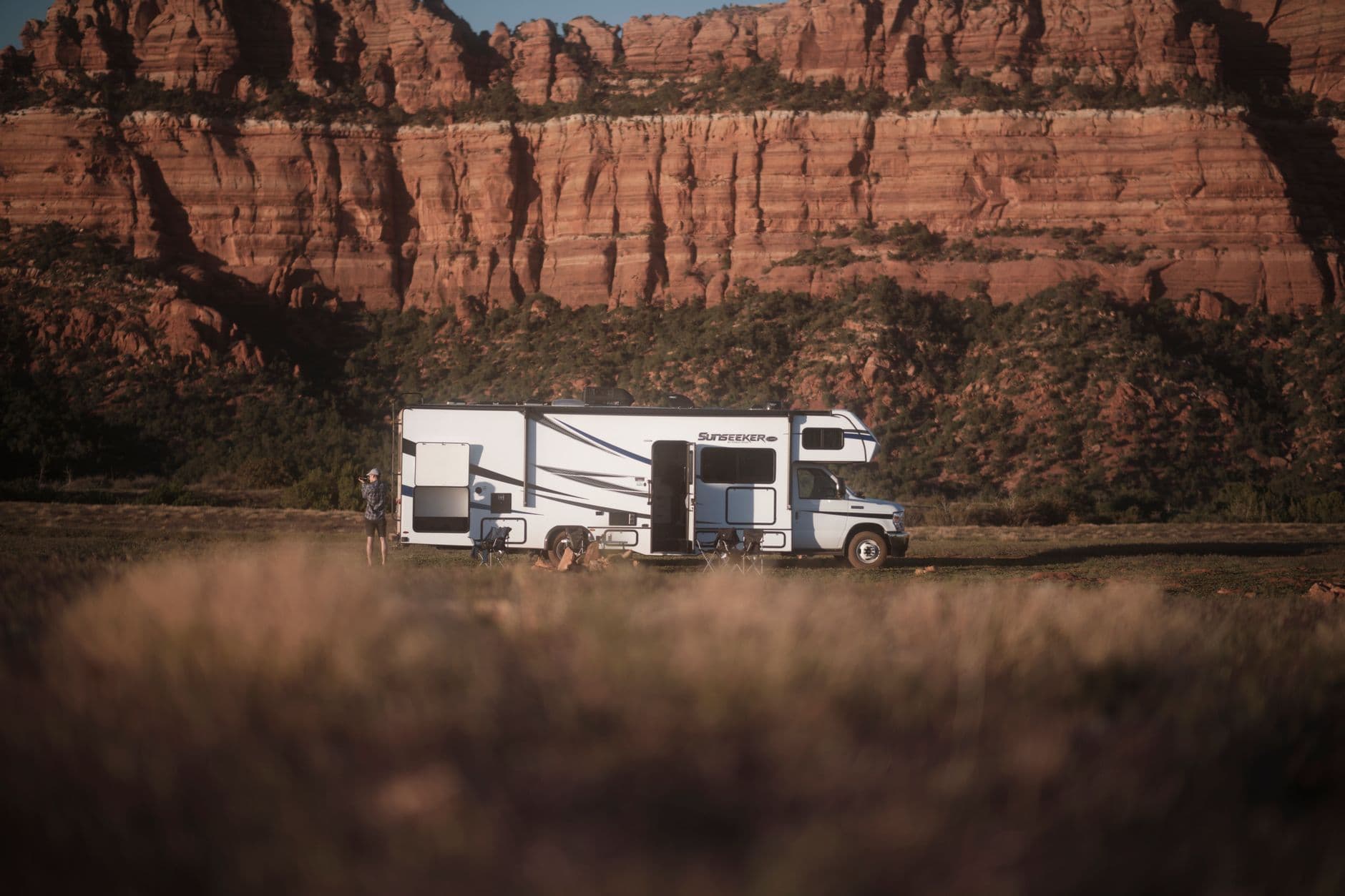
A simple pre-trip checklist keeps the trip legal
Before you leave pavement, run through the basic checks that keep a free camp from becoming a problem. These are the practical items that matter most in the Utah system:
- Confirm the area is on BLM Utah-managed land and not posted otherwise.
- Check that dispersed camping is allowed in that specific area.
- Look for route designations and stay on designated roads only.
- Plan to use an already disturbed site, not fresh desert ground.
- Stay away from developed recreation sites.
- Count your nights so you do not exceed the 14-day limit.
- Call the local office if trail or fire conditions could change access.
Why Utah’s free-camping system works so well
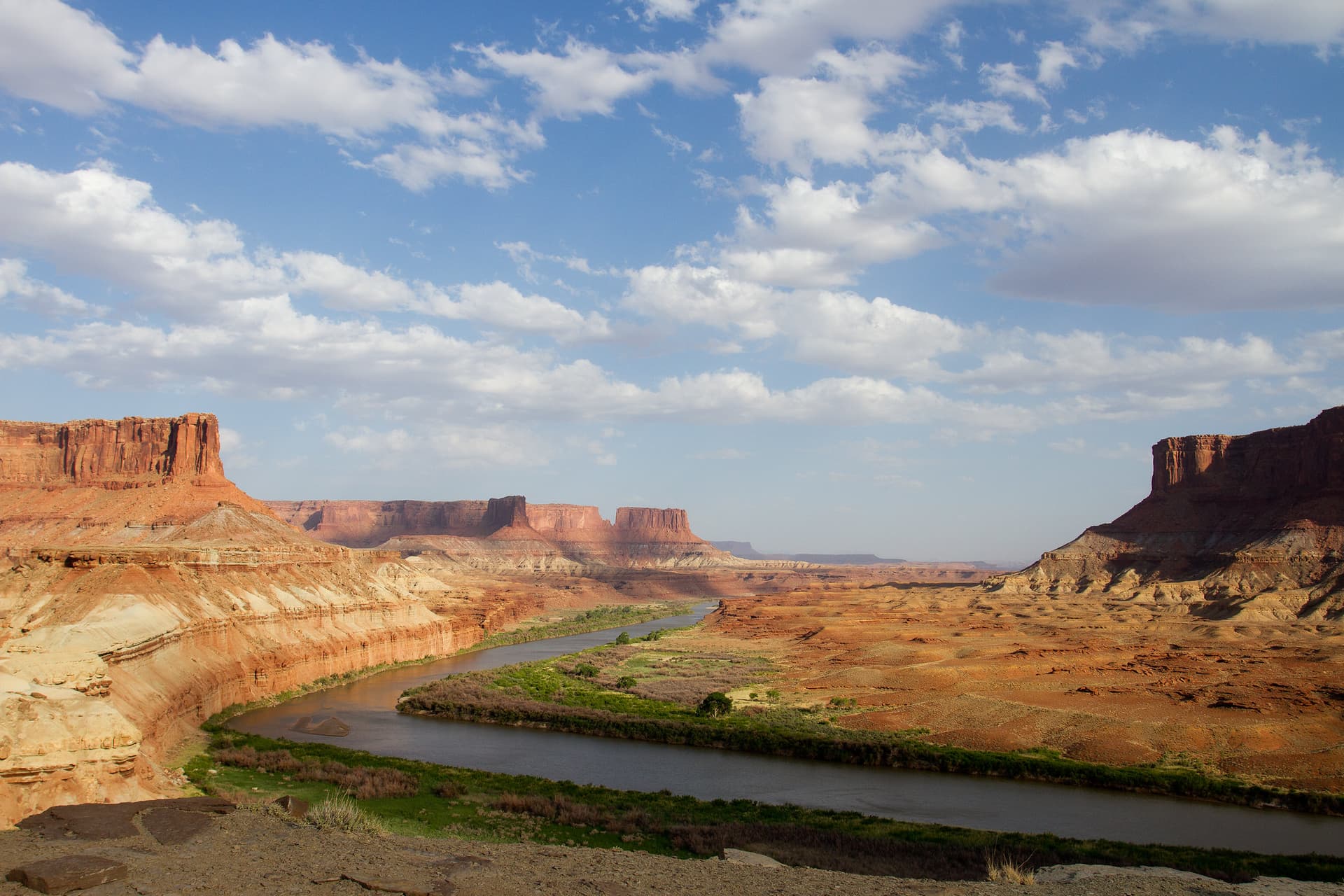
Visit Utah counts more than 300 campgrounds across land managed by multiple agencies, including the BLM, so free dispersed options sit alongside a much larger camping network. In Moab, remote camping sits near red-rock alcoves and along the Colorado and Green rivers, exactly the kind of terrain that draws overlanders who want access without the cost of a developed site.
Southeastern Utah’s public land gets heavy use. The rules are to camp on disturbed ground, keep to routes, respect posted closures, and move before the 14-day clock runs out.
This article was produced by Prism’s automated news system from verified source data, official records, and press releases, then run through automated quality and moderation checks before publishing. The system is built and supervised by the people who set the standards it runs under. Read our full AI policy.
Did this article answer your question?